


BLOG
MUST TRY IN UZBEKISTAN —
Flavours That Stay With You Long After the Trip
Uzbekistan is not a destination you only see — it is a place you taste.
Food here is not treated as a side detail of travel. It is part of hospitality, identity, and routine life. Meals are slow, generous, and almost always shared. If you travel across the country, you will notice something quickly: every region claims its own version of the “best” dish, and every family has its own secret way of preparing it.
Here are the dishes you should not leave without trying.
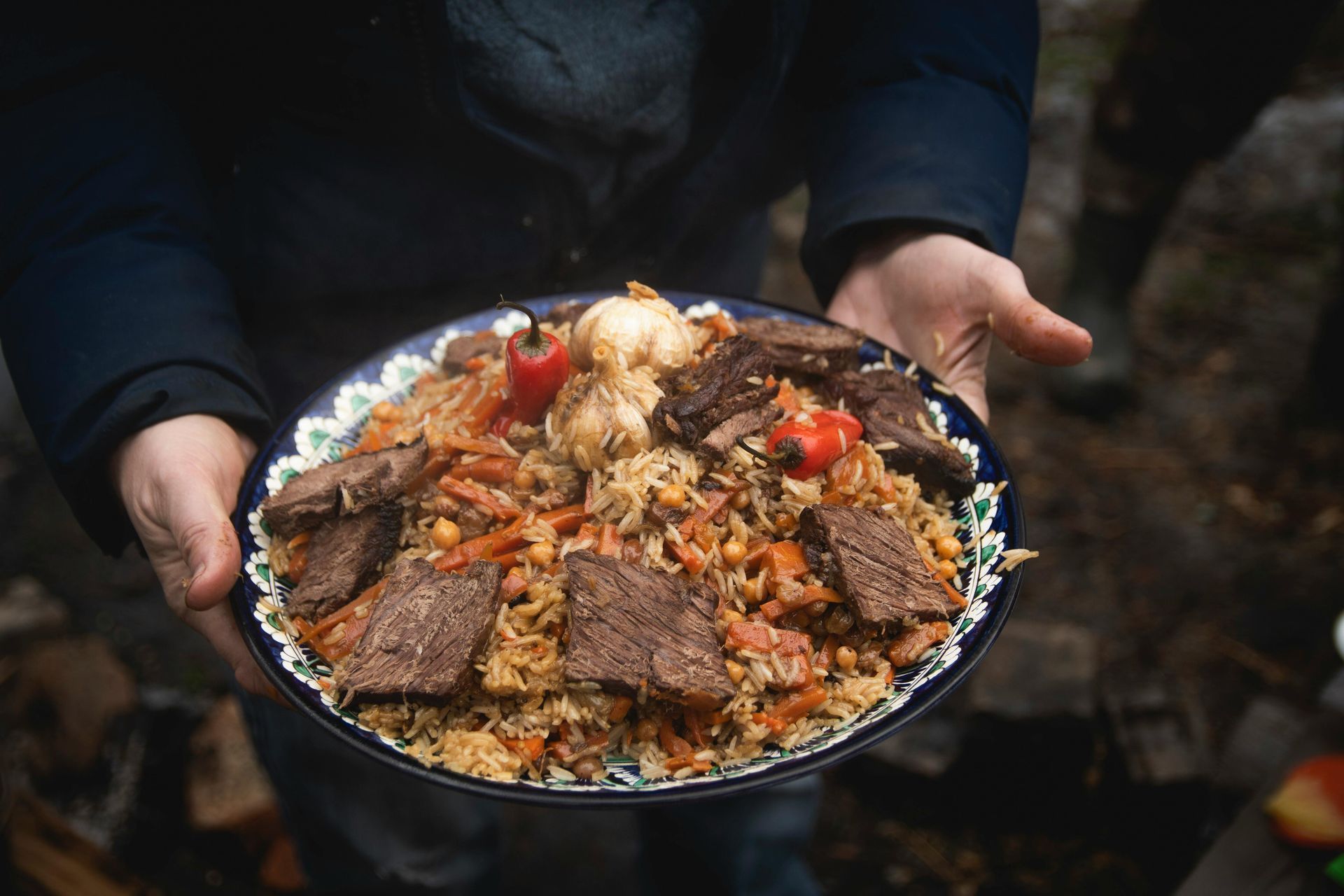
Plov (Osh) — The Heart of Every Table
Plov is more than food in Uzbekistan — it is tradition cooked in a single pot.
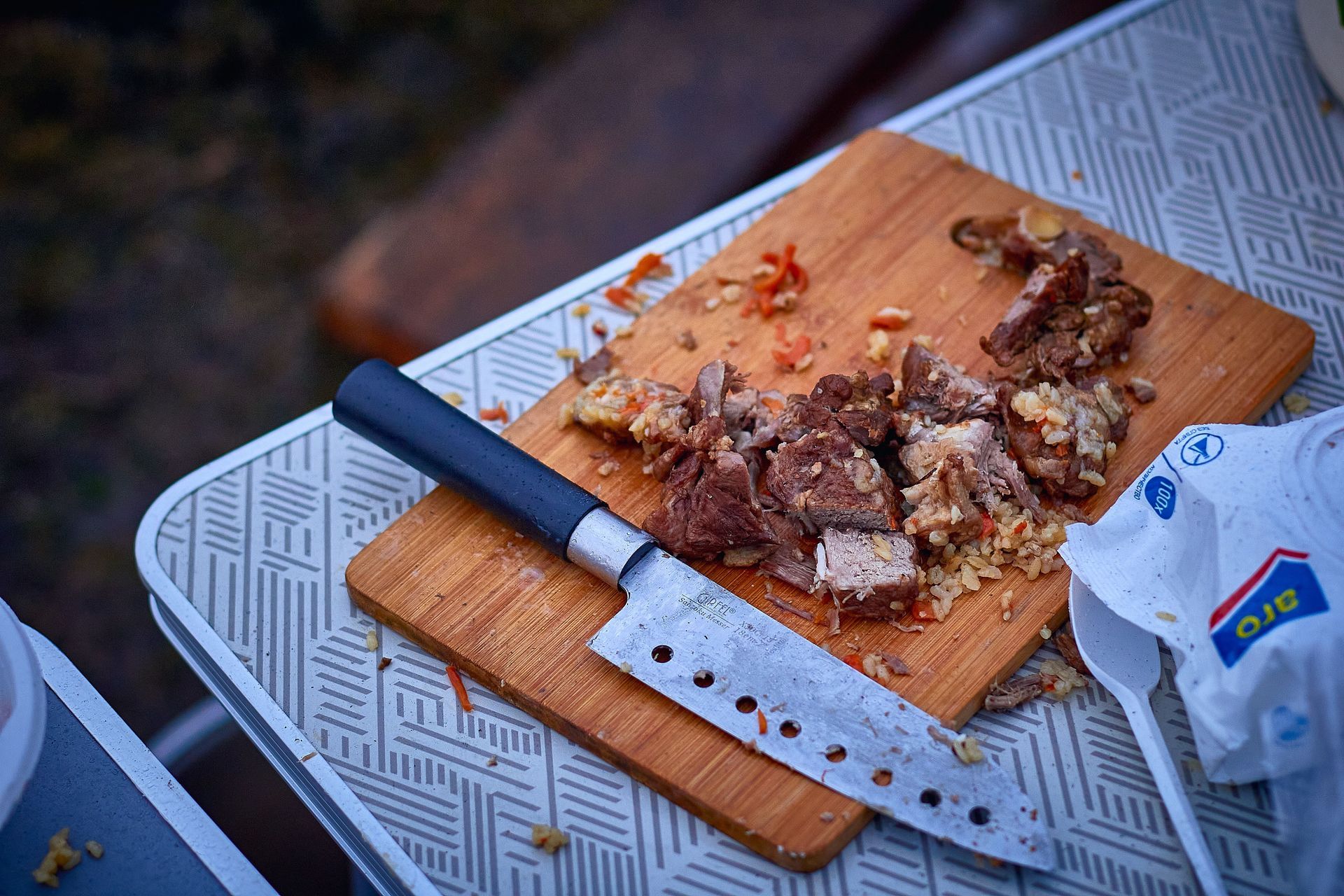
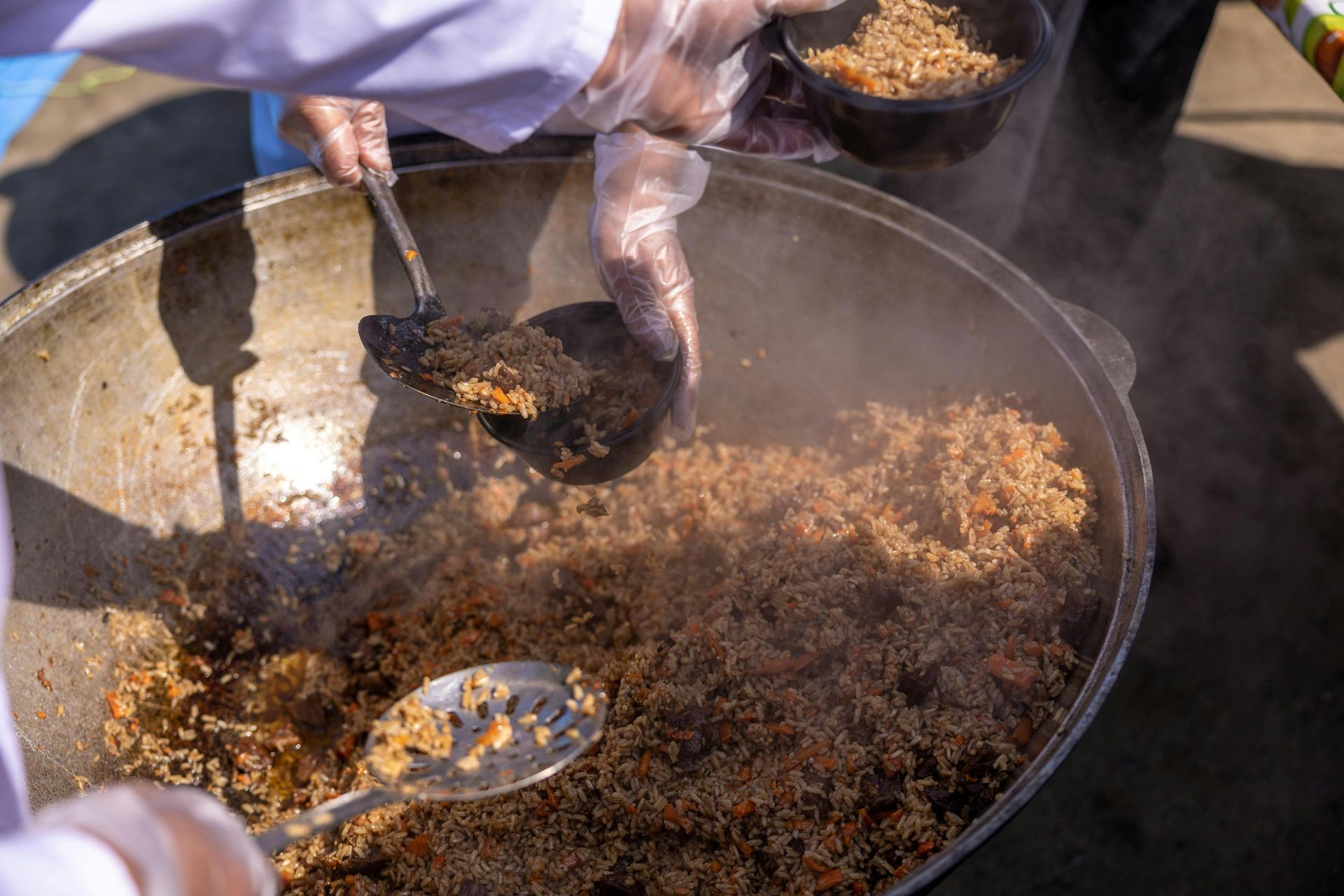
Rice is prepared with slow-cooked meat, carrots, onions, and spices in a large kazan, often cooked early in the morning for entire communities. In Samarkand style, the rice stays light and separate, while other regions make it richer, heavier, and more oil-based.
What makes plov even more fascinating is that there is no single “correct” version. Each region has its own recipe, and within every region, each family has its own variation — passed down quietly, adjusted slightly, and defended proudly. Two neighbors can cook plov differently and both will insist theirs is the authentic one.
It is served at weddings, funerals, family gatherings, and even business meetings. If you are invited to try plov in a local home, it is not just a meal — it is a sign of respect.
Samsa — The Street Oven Favourite
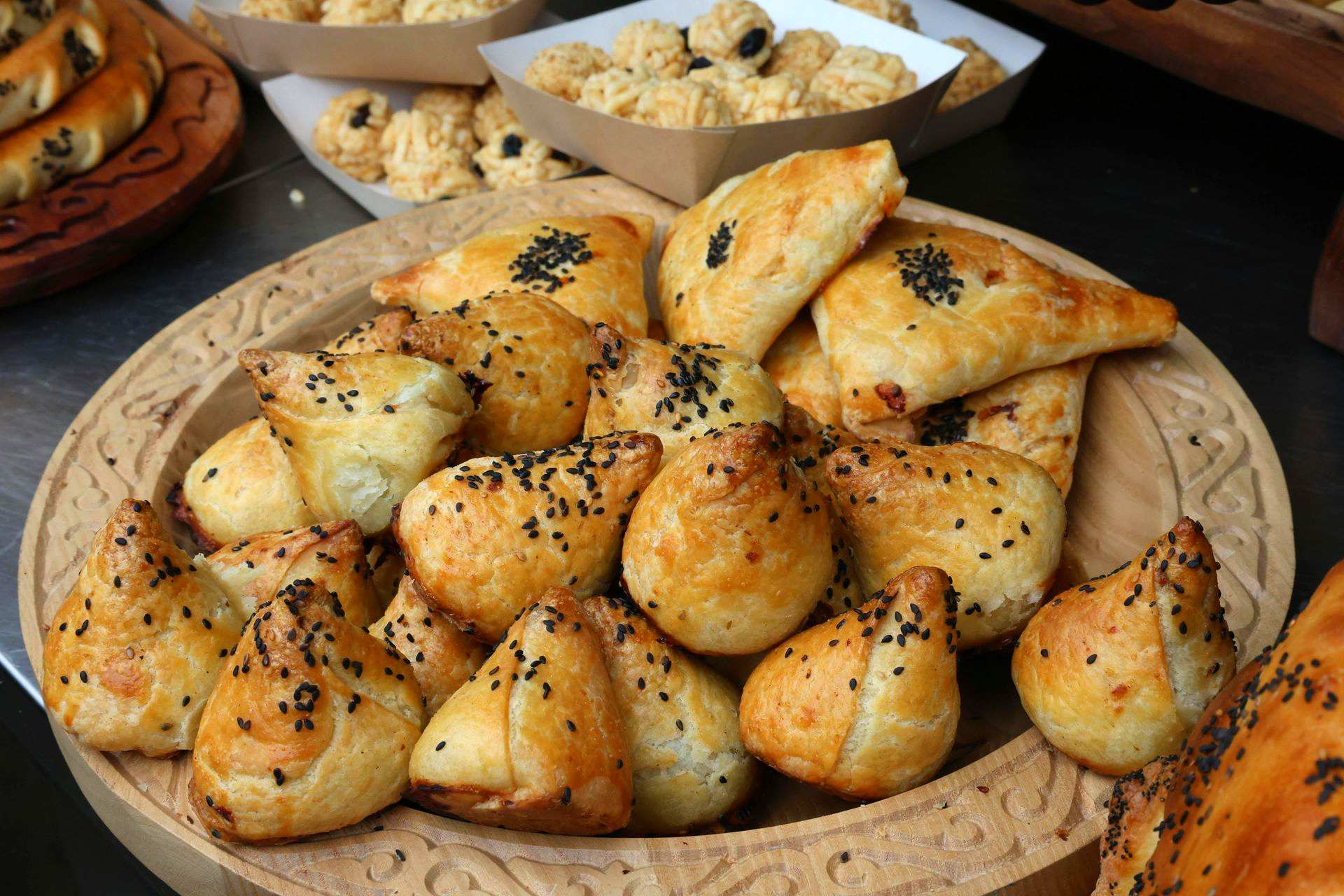
Samsa is the smell you will follow without thinking.
These triangular pastries are baked inside traditional clay ovens (tandoors), where they stick to the hot walls and cook until the dough becomes crisp and slightly smoky. The filling is usually minced meat with onions and spices, but variations with pumpkin or potato are also common.
Best eaten hot, directly from the oven, when the crust still cracks slightly in your hands.
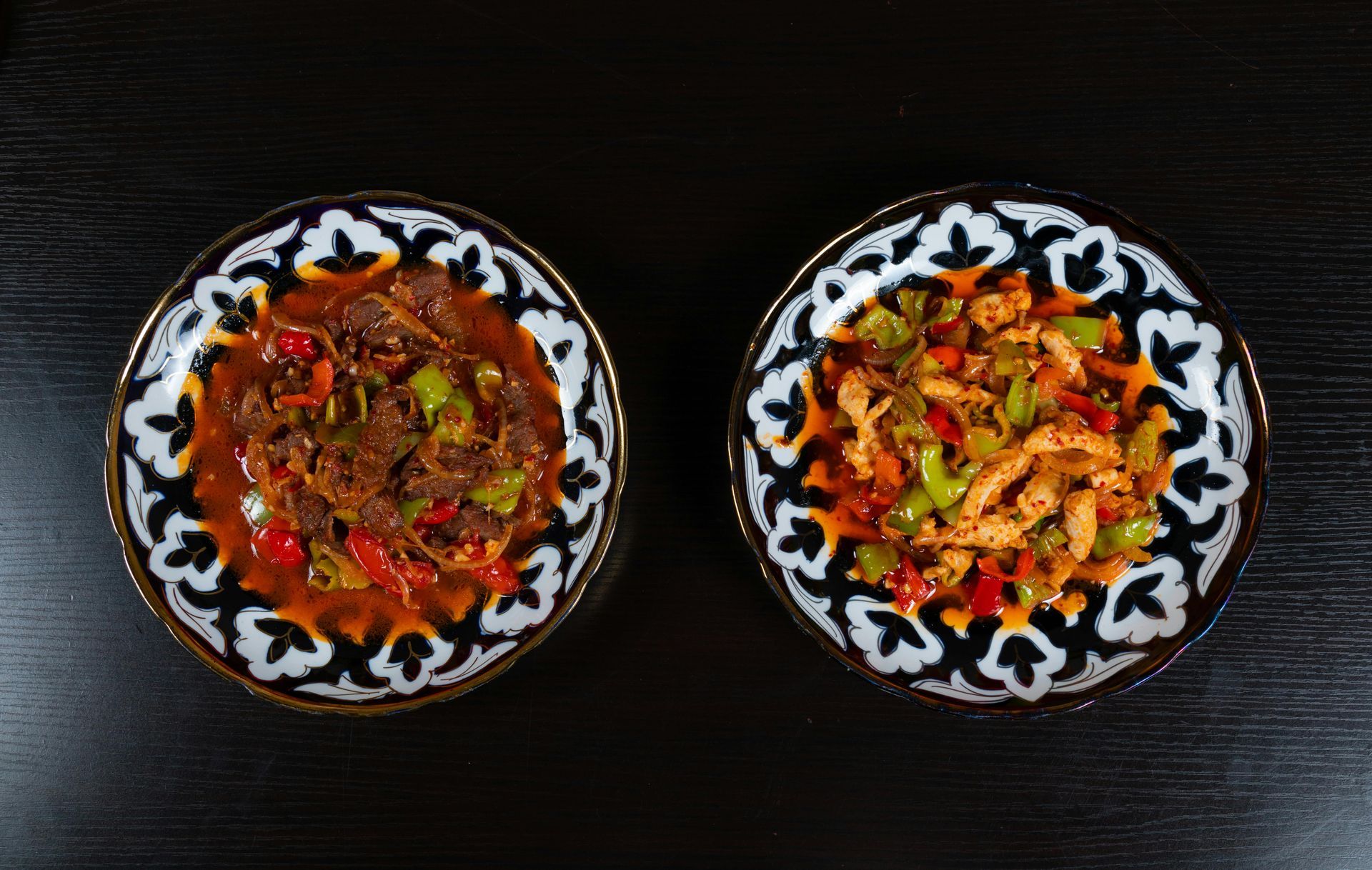
Lagman — The Dish That Travels Across Borders
Lagman reflects the influence of Central Asia’s many cultures.
Hand-pulled noodles are served in a rich broth with vegetables, beef or lamb, garlic, and spices. It sits somewhere between soup and stew, depending on the region and the cook.
It is not a “quick meal.” Lagman takes time — both to prepare and to enjoy. Locals often say it tastes better when eaten slowly, without rushing.
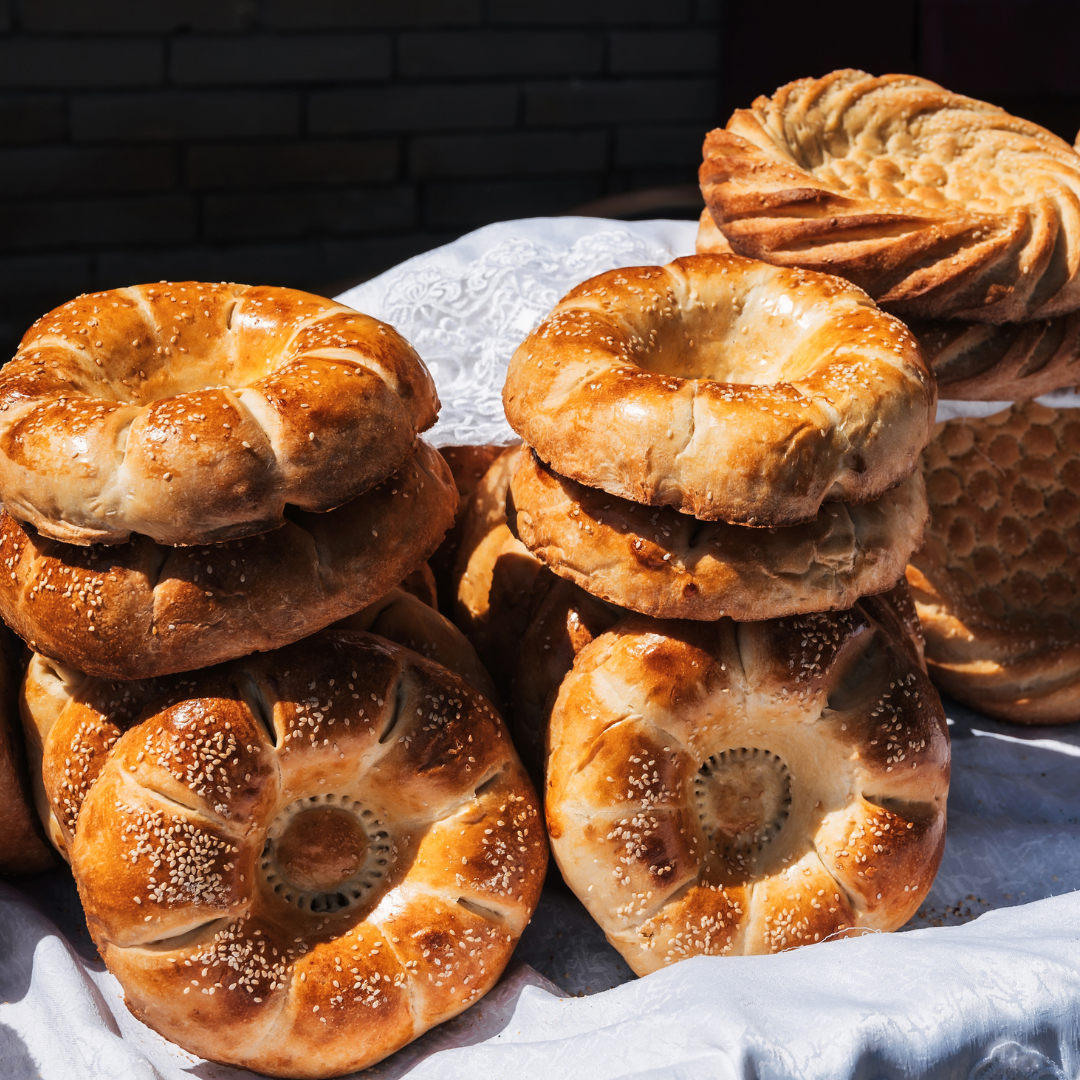
Non — The Bread That Defines the Table
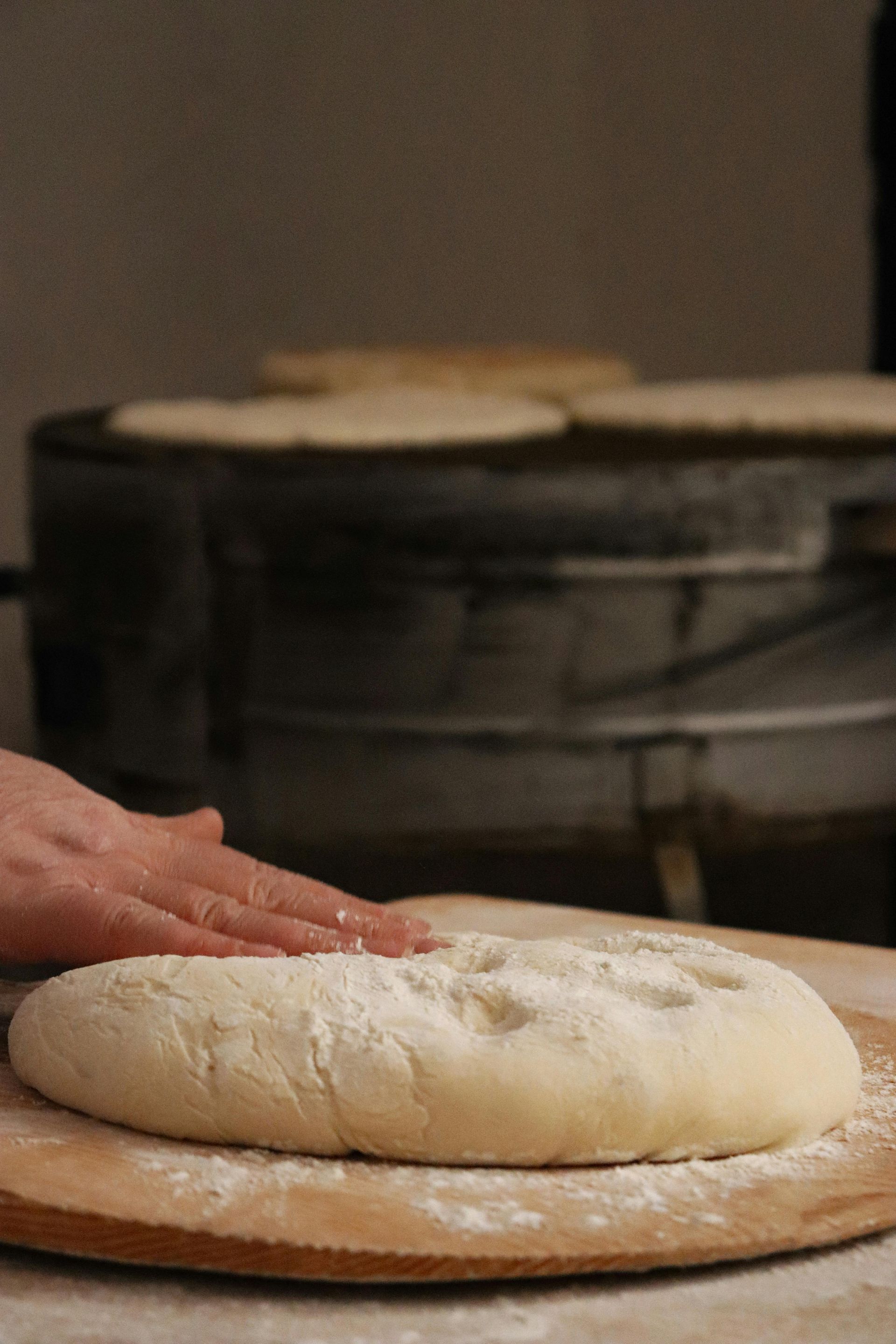
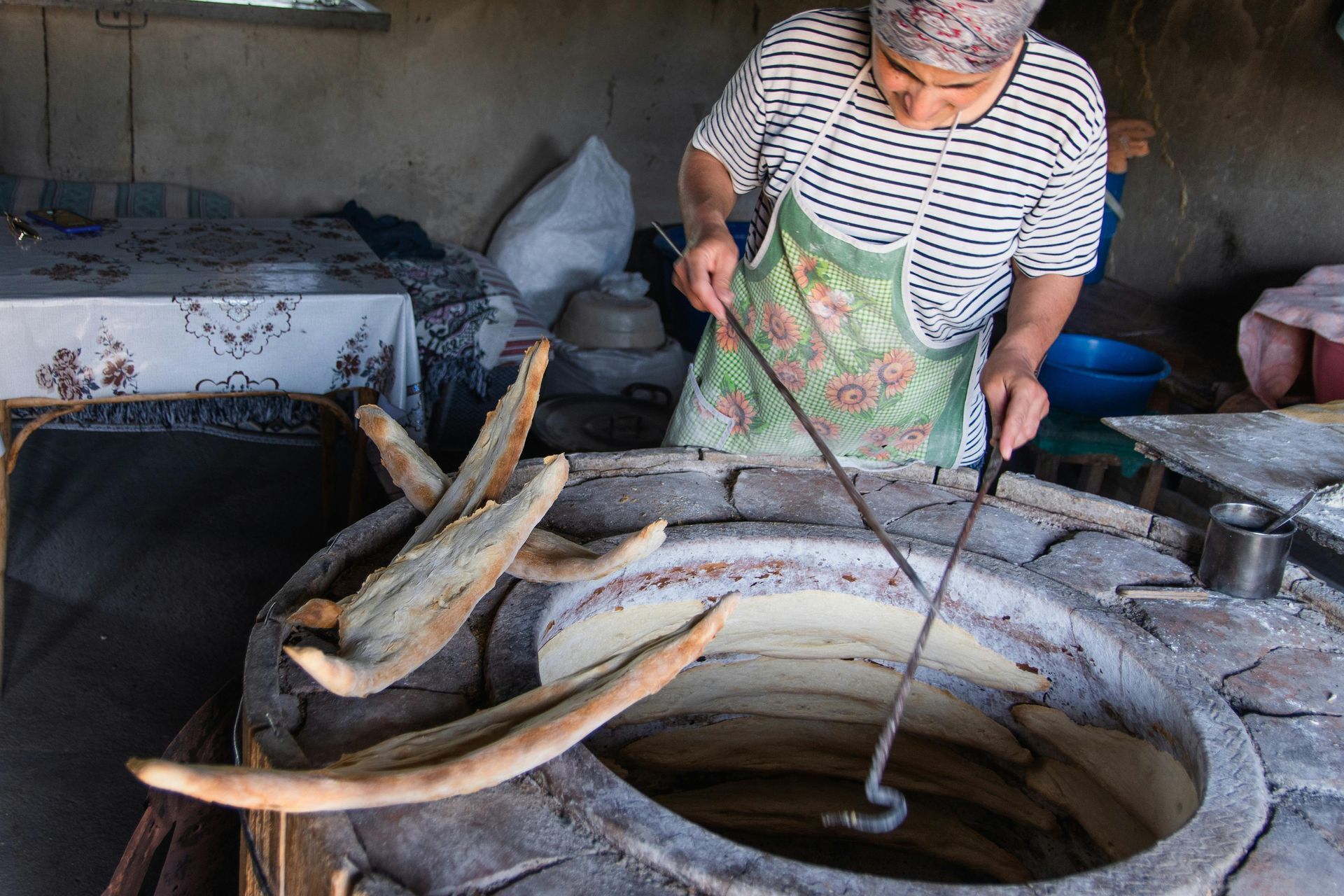
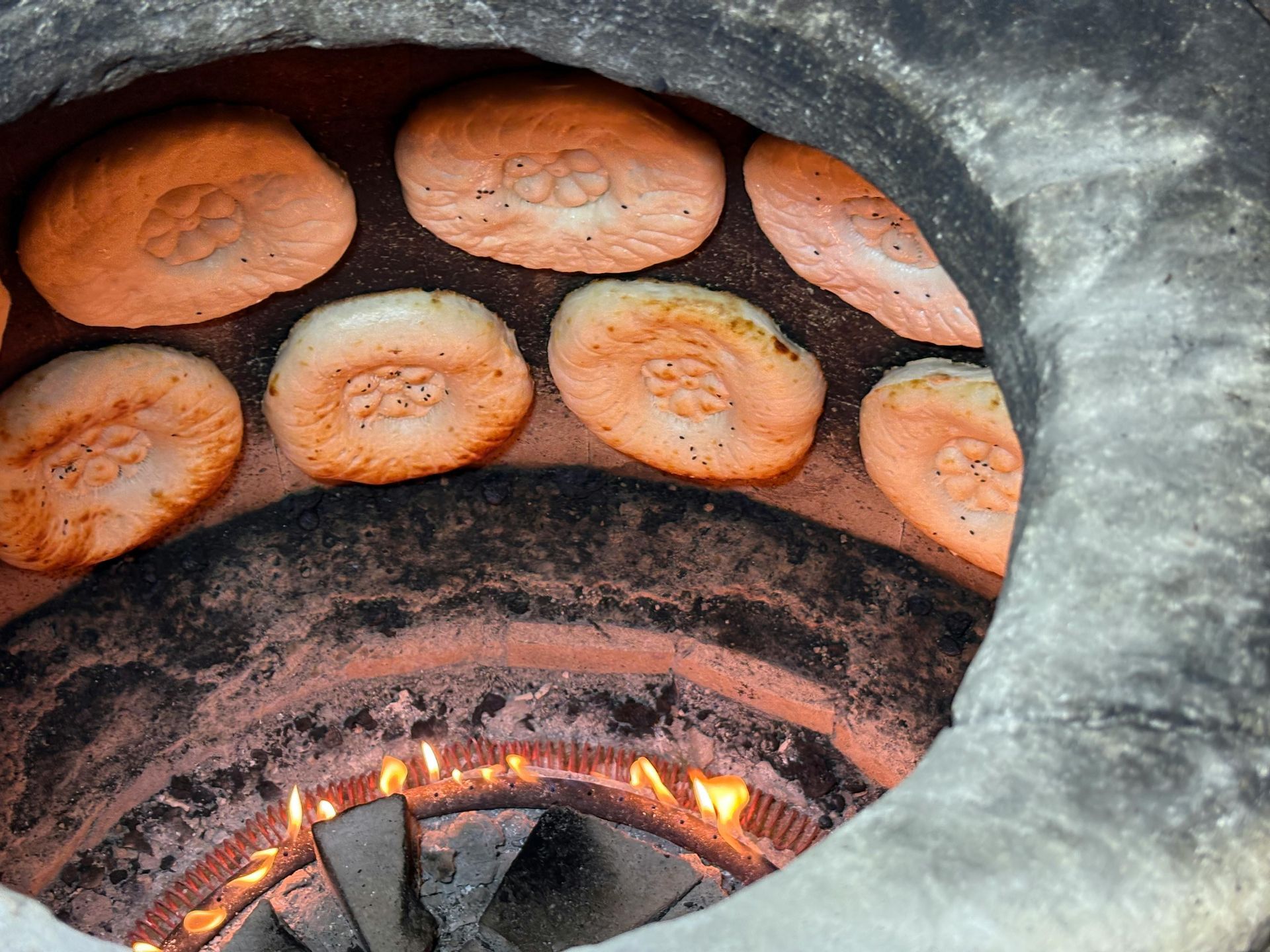
Non is never just bread in Uzbekistan.
Round, golden, and patterned in the center, it is baked in tandoor ovens and placed at the center of every meal. Breaking bread is a cultural act — it signals hospitality, respect, and sharing.
In Samarkand, non is especially famous for its thickness and slightly sweet taste. Many visitors end up buying extra loaves just to take home.
Shashlik — Smoke, Fire, and Simple Perfection
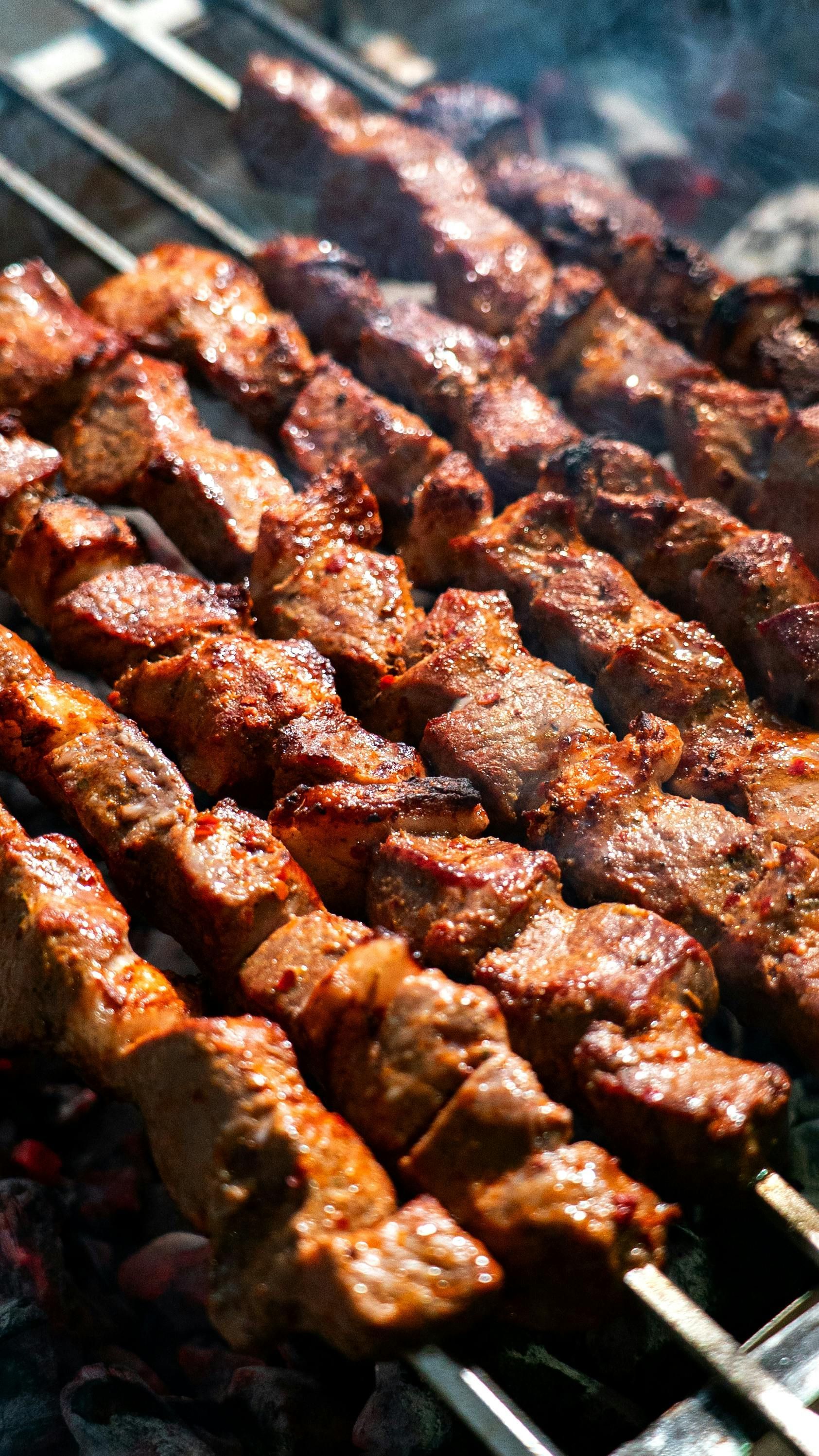
Shashlik is one of the most direct expressions of Uzbek cuisine — meat, fire, and time.
Chunks of lamb, beef, or sometimes chicken are marinated in a mix of onions, spices, and vinegar, then grilled over open charcoal. There is nothing complicated about it, and that is exactly the point. The flavor comes from the smoke, the heat, and the slow caramelization of the meat rather than heavy seasoning or elaborate technique.
It is served simply — usually with sliced raw onions, fresh non bread, and sometimes a basic tomato or vinegar-based sauce. In many places, the skewers are grilled right in front of you, and the smell becomes part of the experience long before the plate arrives.
Shashlik is not about presentation or tradition on a plate. It is about a straightforward, honest way of cooking that has remained unchanged for generations.
Manti — uzbek dumplings
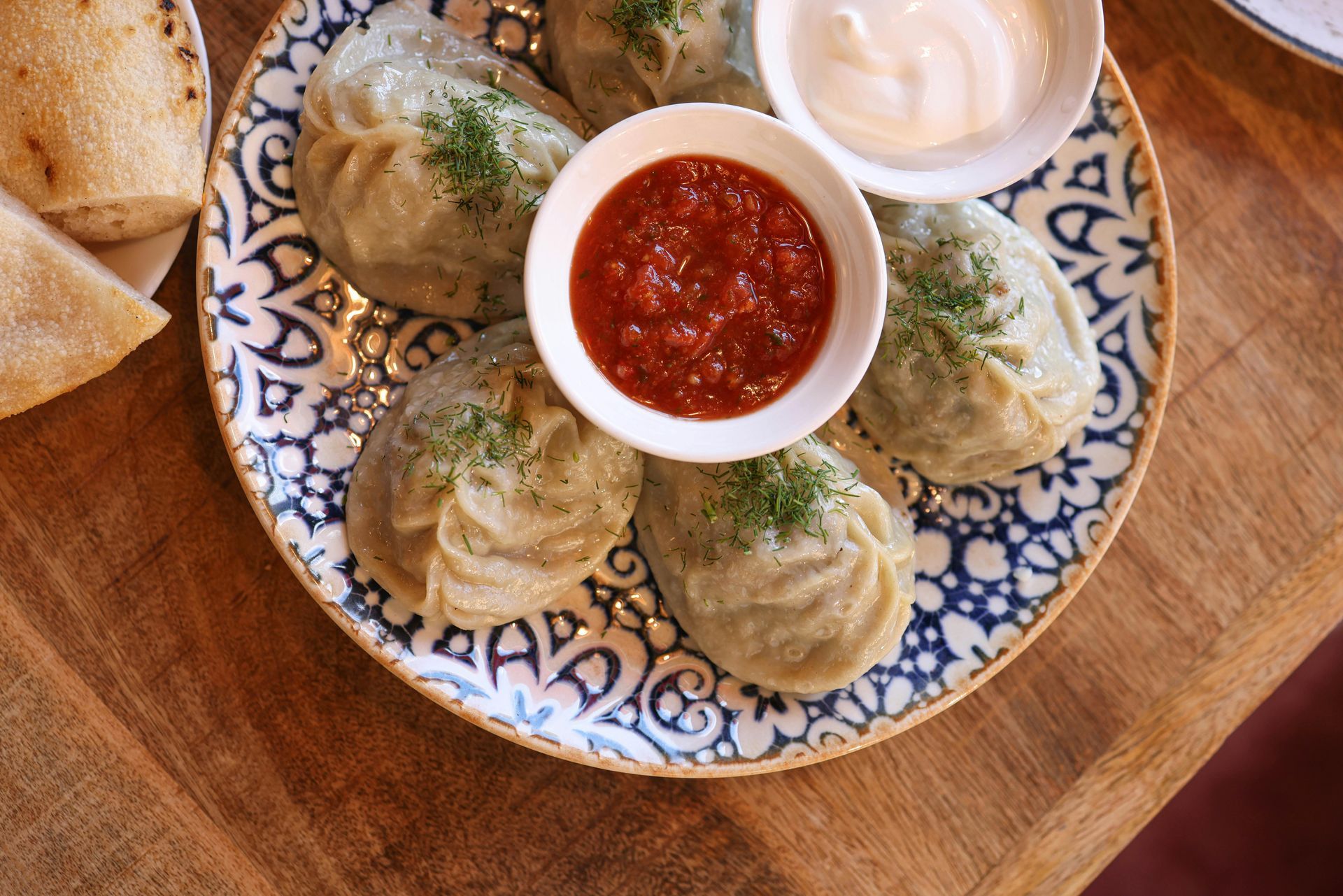
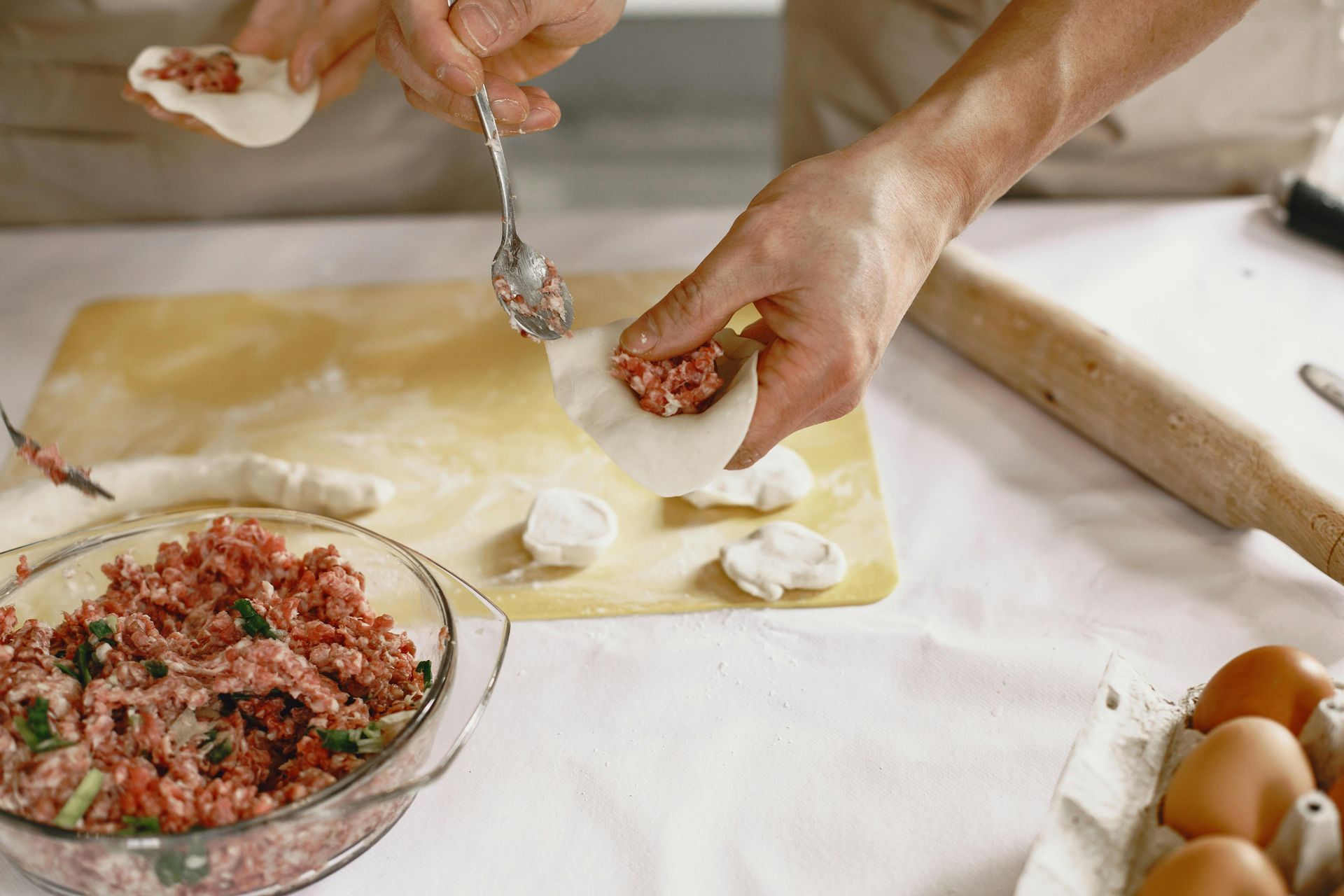
Manti are soft dumplings filled with meat, onion, and spices, steamed until tender.
They are often eaten with sour cream, depending on the region. Each bite is simple but filling, and they are commonly shared in family-style meals. You will definitely enjoy the taste!
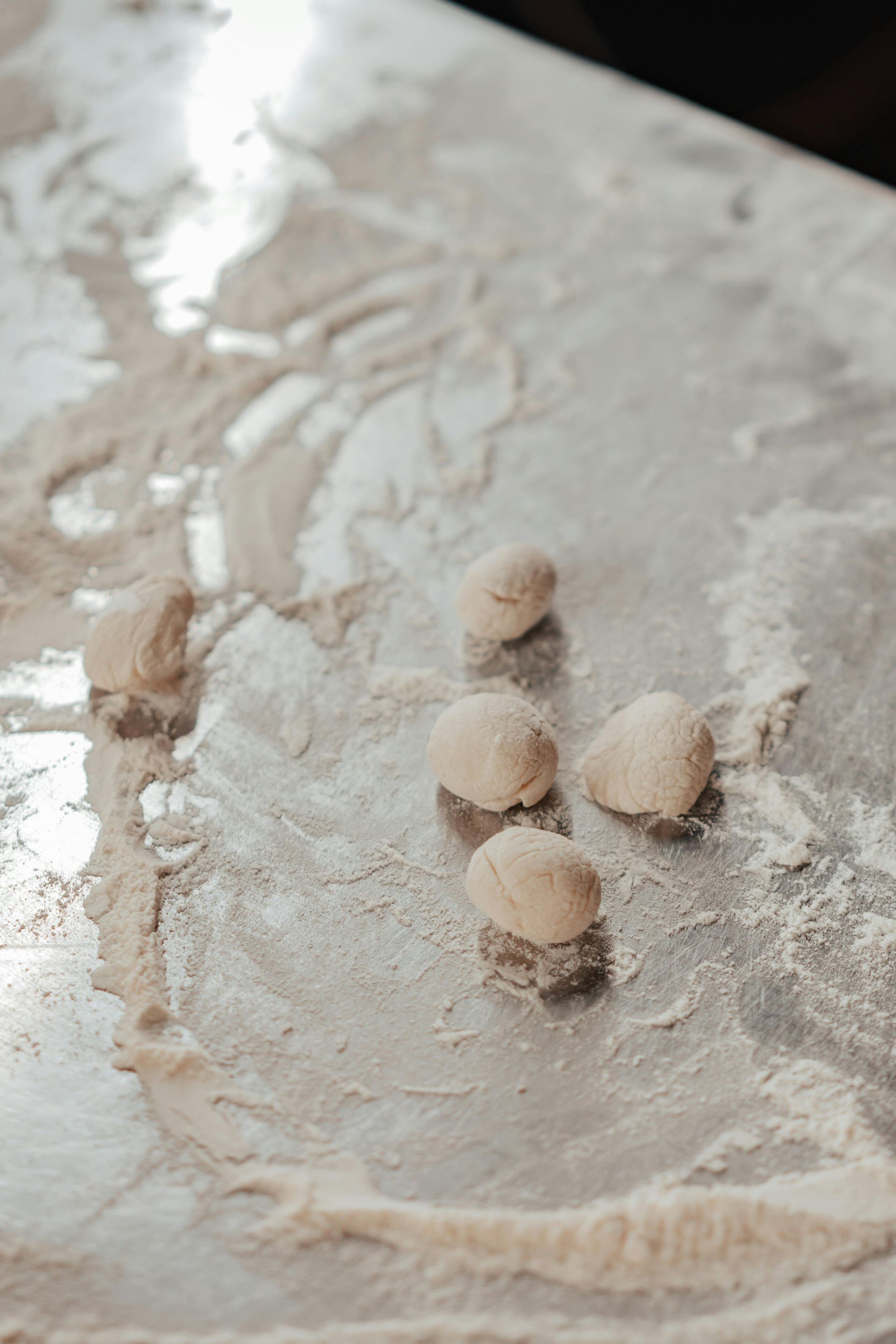
Halisa - Wheat, Meat, and Time
Halisa is one of the most traditional and labor-intensive dishes in Uzbekistan, especially in the Samarkand region.
It is made from wheat and meat, cooked together for many hours until the mixture becomes thick, smooth, and almost creamy in texture. The preparation is slow and physical — the ingredients are constantly stirred and pressed until everything blends into a single, rich consistency.
Historically, halisa was prepared for large gatherings, religious occasions, and special mornings when families or communities would come together to share it. Because of the long cooking process, it is often made collectively, turning the preparation itself into a social ritual rather than just cooking.
The result is simple but deeply filling — a dish that carries warmth, patience, and tradition in every spoonful.
Sumalak - Dish of Spring and Traditions
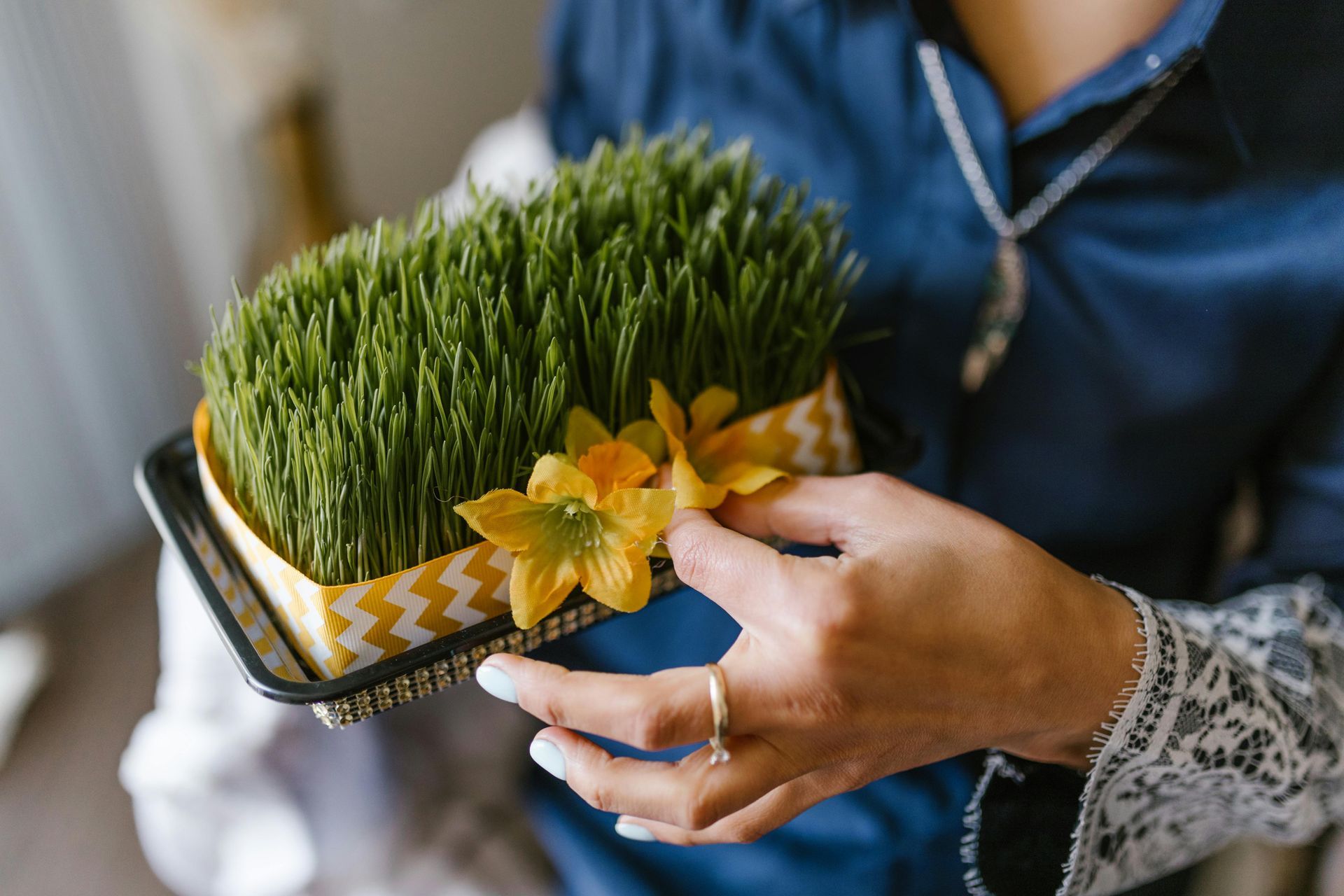
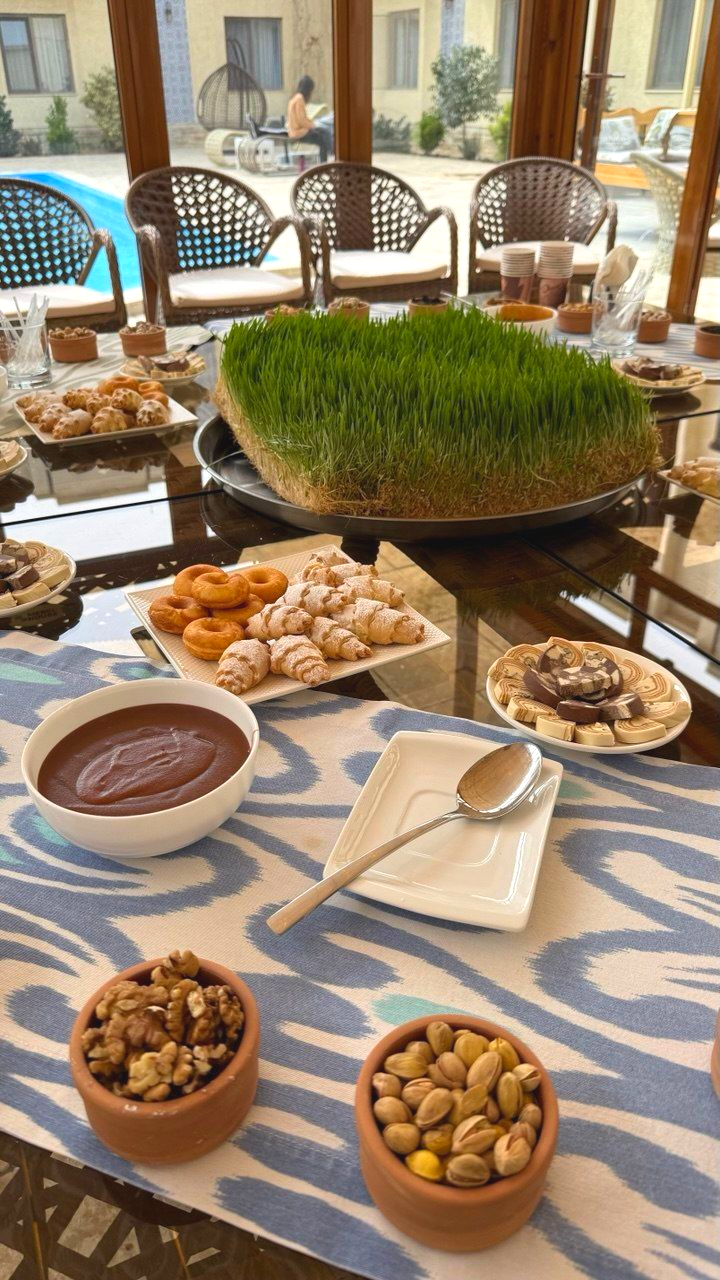
Sumalak is not just food in Uzbekistan — it is an event, a tradition, and a symbol of renewal.
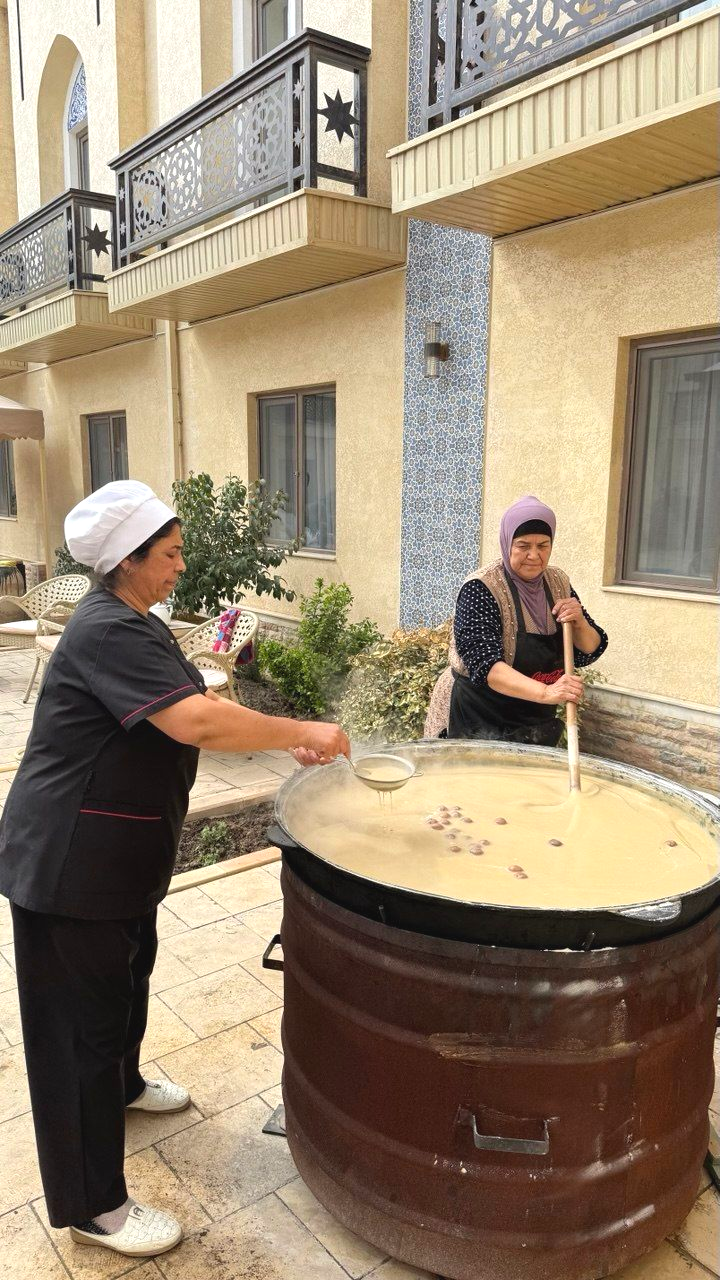
It is prepared from germinated wheat grains, slowly cooked for many hours until they turn into a thick, dark, sweet paste. The preparation usually happens in large communal pots and can take an entire night, with constant stirring so the mixture does not burn. Because of this, it is almost always made collectively — neighbors, friends, and family members taking turns, sharing stories while waiting for dawn.
Traditionally, sumalak is prepared around Navruz, the Persian New Year and the arrival of spring. It is considered a dish of blessing and hope, and many families treat the first tasting as a meaningful moment of the season.
Small stones are sometimes placed at the bottom of the pot during cooking, and it is believed that if you find a stone in your portion, it brings good luck for the year ahead.
Fruits and Vegetables — Where Simplicity Becomes the Highlight
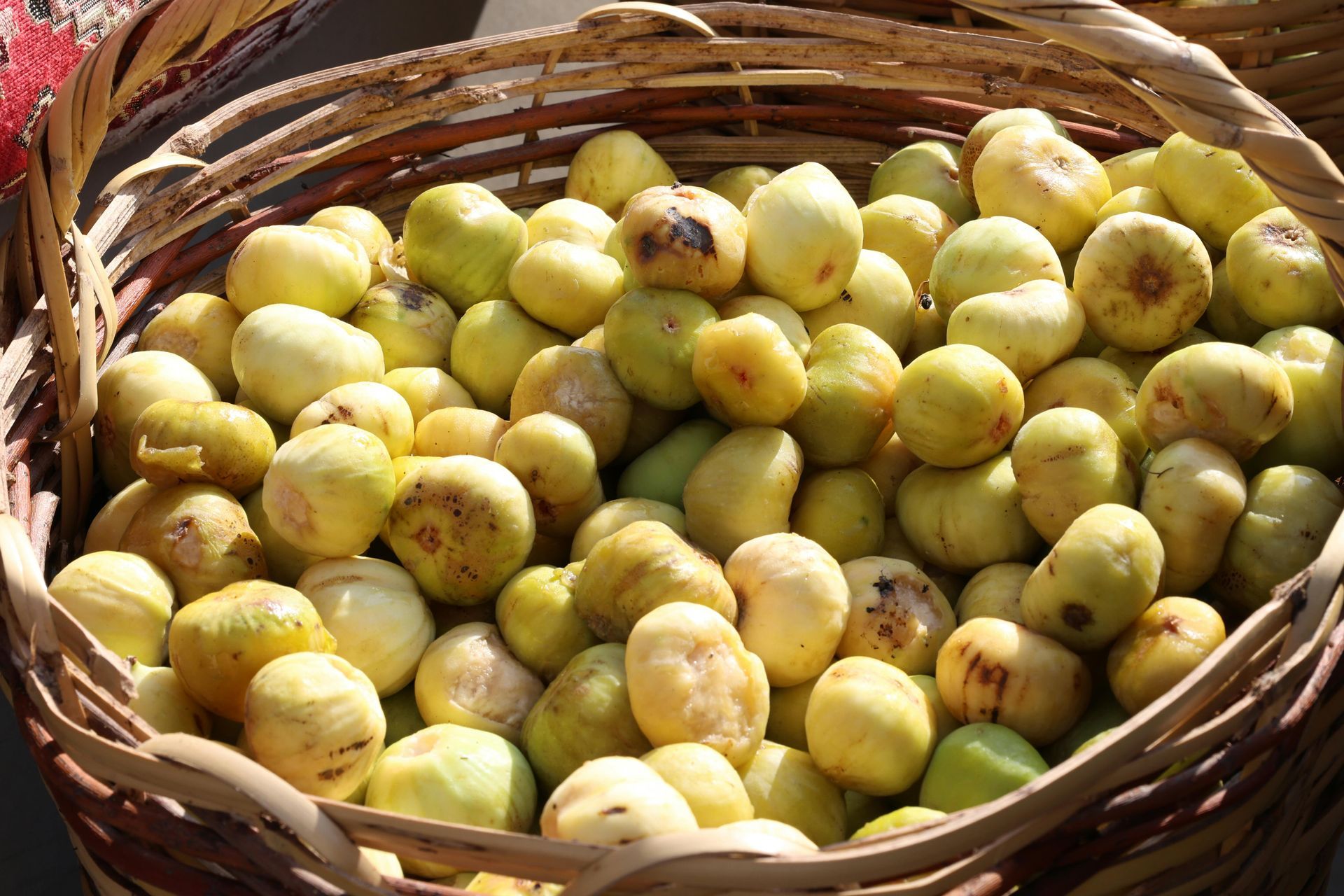
One of the first things many visitors notice in Uzbekistan is not a monument or a dish — but the taste of simple produce.
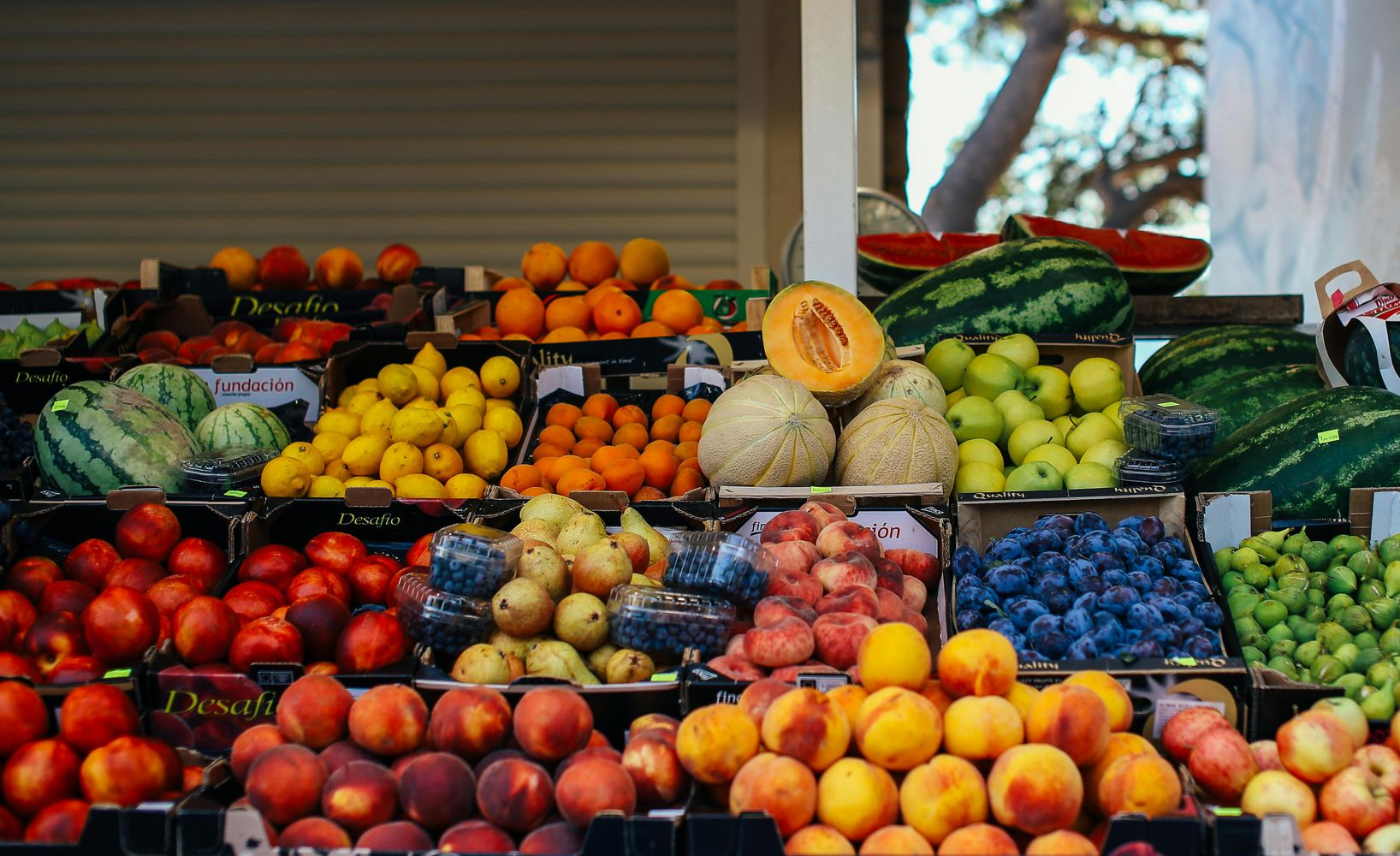
Uzbekistan is known for its agriculture, and during the right season, fruits and vegetables here feel almost exaggerated in flavor. Tomatoes are deeper in color and sweeter than expected, melons are intensely aromatic, and grapes often have a richness that surprises people who are used to supermarket versions.
This is not a coincidence. The country’s long hours of sun, dry climate, and fertile valleys create ideal conditions for ripening. But just as important is how food is still grown and sold — often locally, often seasonal, and rarely treated as mass-produced uniform goods.
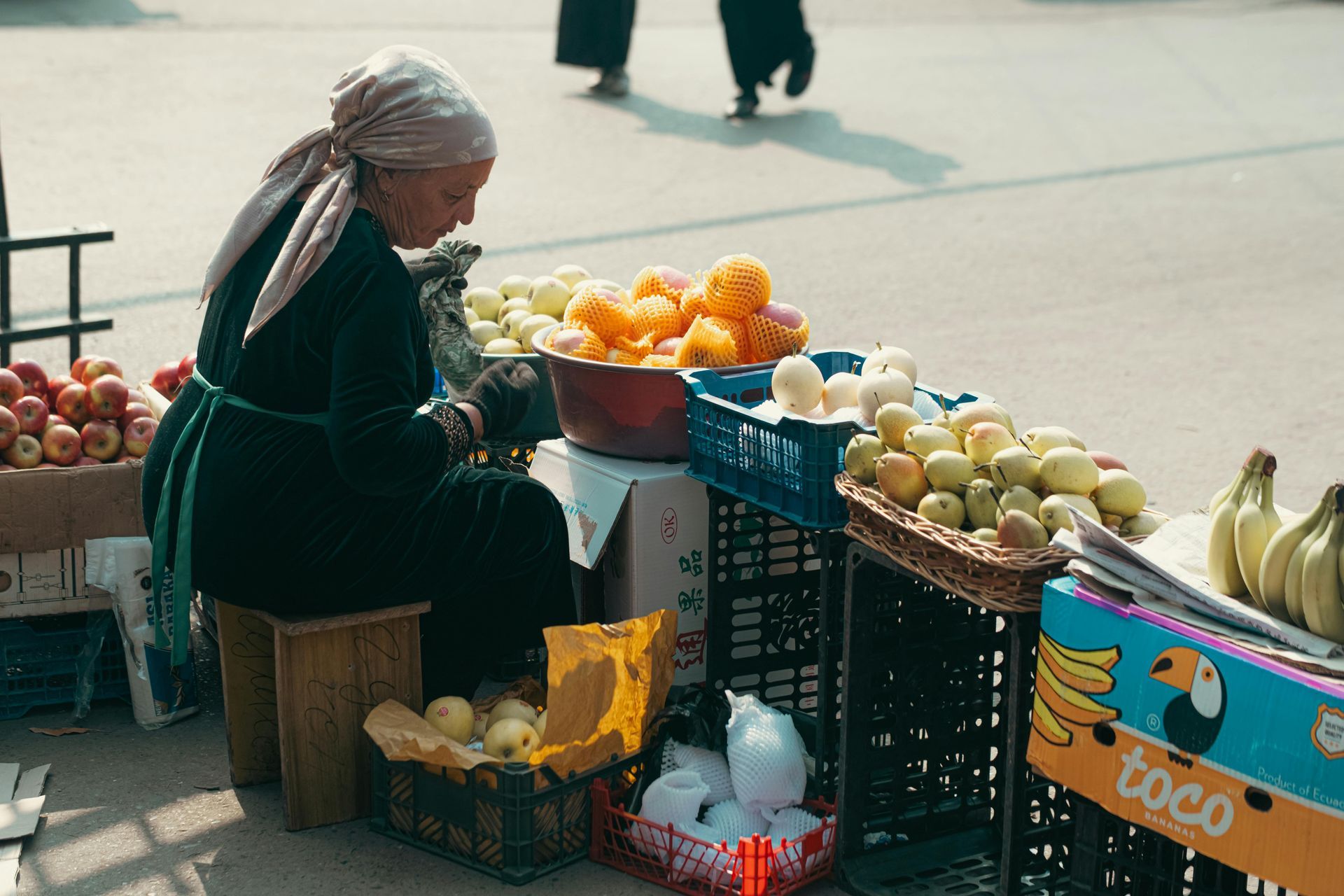
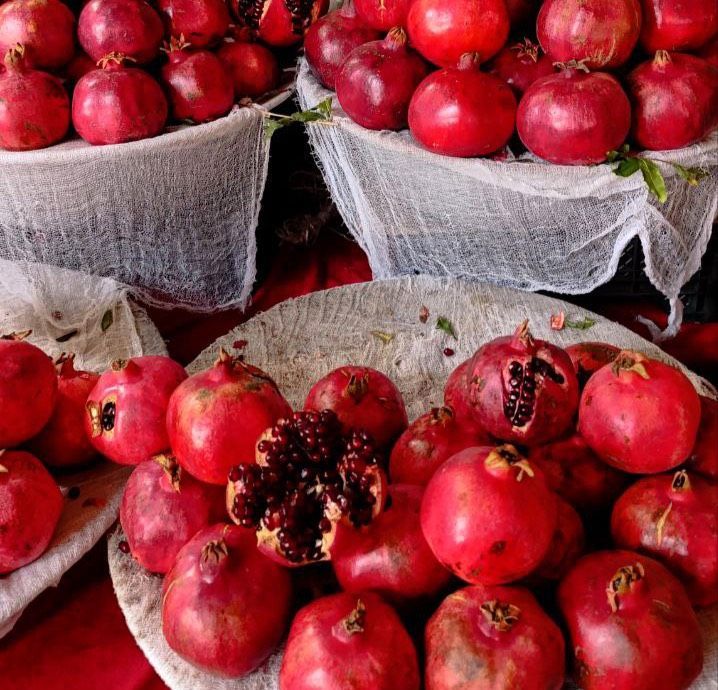
Walking through a bazaar, you quickly understand this difference. Everything is slightly irregular, slightly different, slightly alive. Apricots vary from stall to stall, pomegranates range from deep red to almost brown, and melons are chosen not by label, but by smell and sound.
Almost every traveler mentions it at some point: they did not expect fruits and vegetables to be one of the strongest memories of the trip.
But in Uzbekistan, even something simple becomes part of the experience.
Final Taste of the Journey
Uzbek cuisine is not designed to impress quickly. It doesn’t try to win you over in the first bite — it settles in gradually, through repetition, hospitality, and the rhythm of shared meals.
You start noticing it in small things: the way bread is always placed in the center of the table, how tea is refilled without asking, how every dish seems to come with a story attached to it. Over time, flavors become memories, and meals become moments you remember more clearly than some of the places you visited.
And long after you leave, it is usually not the monuments you miss first.
It is the food — and the people you shared it with.