


BLOG
SAMARKAND - BLUE DOMES,
ANCIENT STREETS, AND THE SOUL OF THE CITY
Some cities impress you for a day. Samarkand stays with you long after you leave.
Maybe it is the sound of footsteps echoing under blue domes before sunrise. Maybe it is the smell of fresh bread drifting through old mahallas. Or the strange feeling that every wall has seen empires rise and disappear — yet the city itself never stopped living.
Samarkand is often introduced with grand words: Silk Road, Timur, ancient civilization. All true. But none of that explains what it actually feels like to stand there.
This is a city where history is not behind glass. It spills into everyday life.
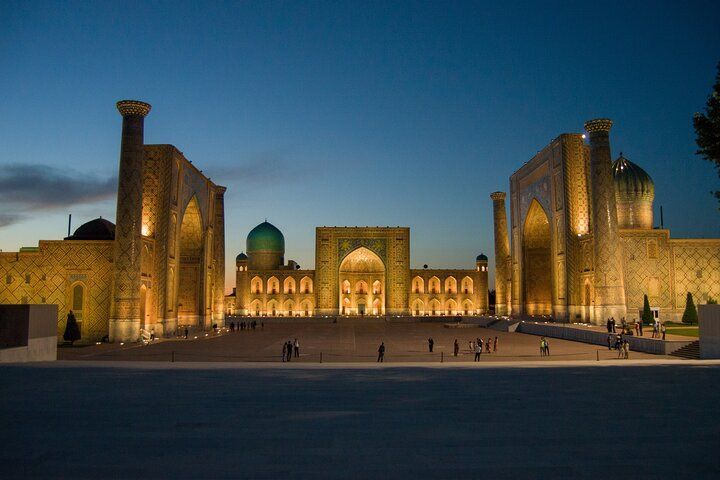
Registan Square — The Place That Silences People
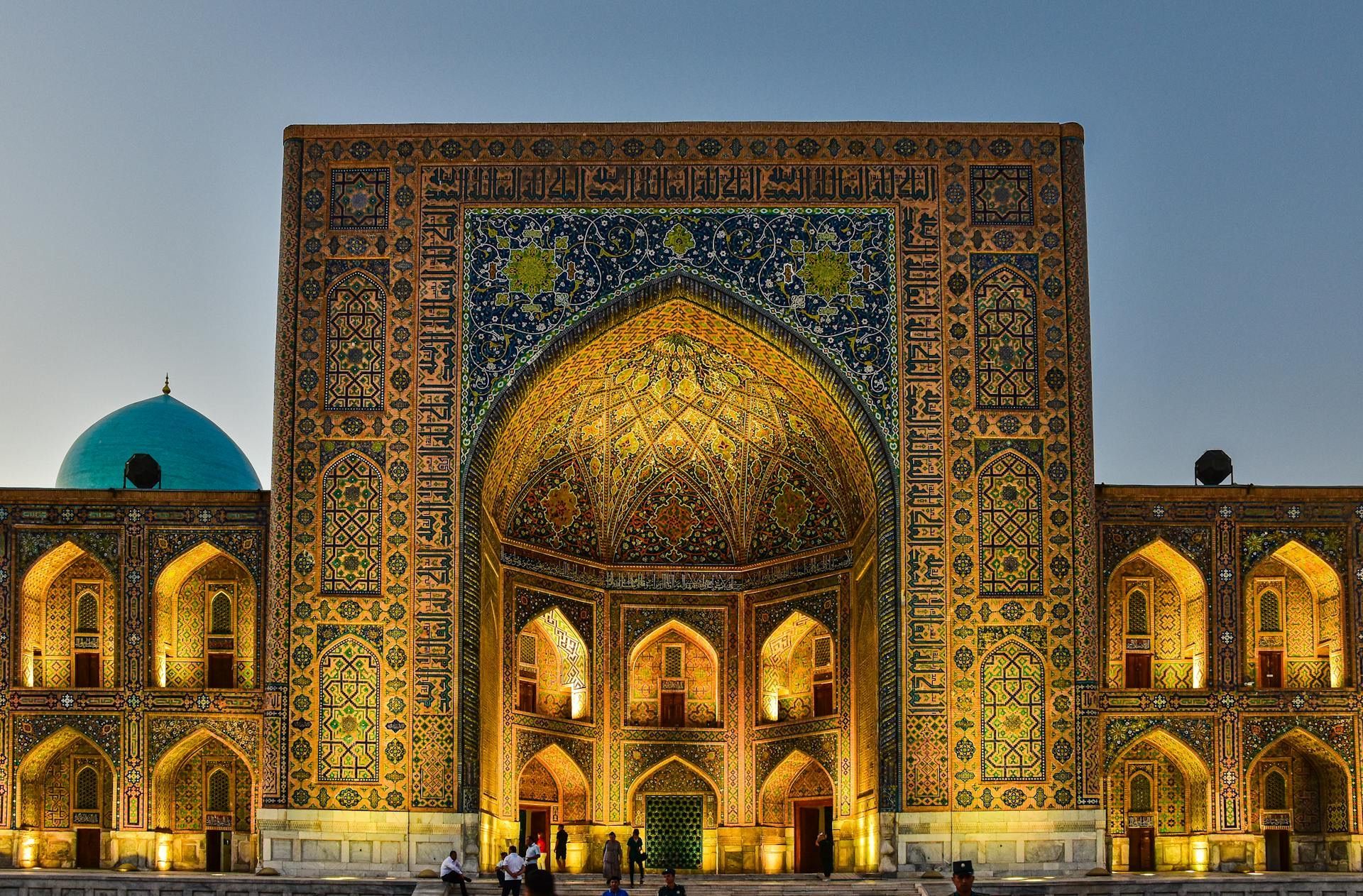
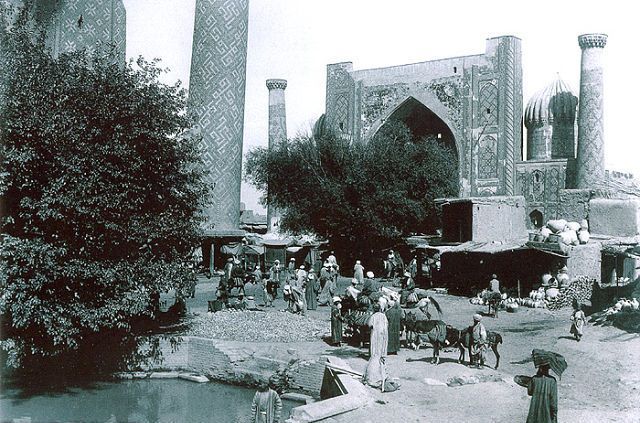
Registan was once the political and cultural heart of the Timurid Empire. For centuries, this square gathered merchants, scholars, royal announcements, and public celebrations at the center of Silk Road life.
It is the kind of place people try to photograph before eventually giving up and simply staring.
No picture really captures the scale of it. Three madrasahs covered in mosaics stand facing each other with impossible symmetry, as if designed for a film set rather than real life. In the late afternoon, the tiles shift color every few minutes — blue, turquoise, gold, then almost violet before sunset.
But the best moment comes early in the morning, before the tour groups arrive. The square feels strangely calm then. You hear birds, distant footsteps, the wind moving through the arches. It becomes easier to imagine merchants, scholars, and travelers crossing Central Asia and gathering here centuries ago.
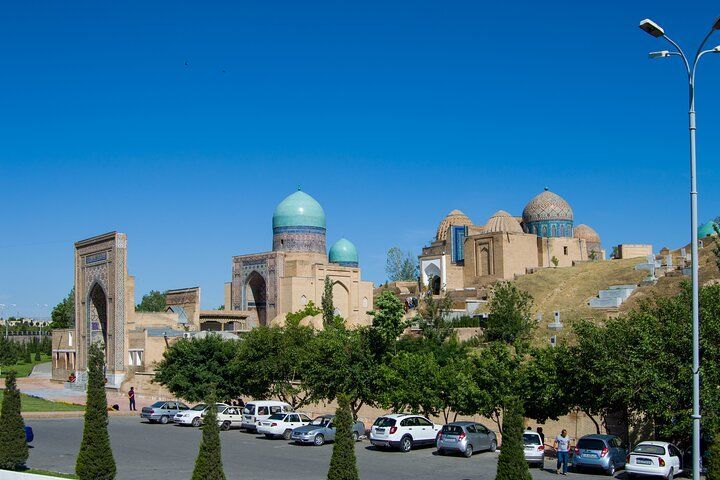
Shah-i-Zinda — The Street of Blue Tombs
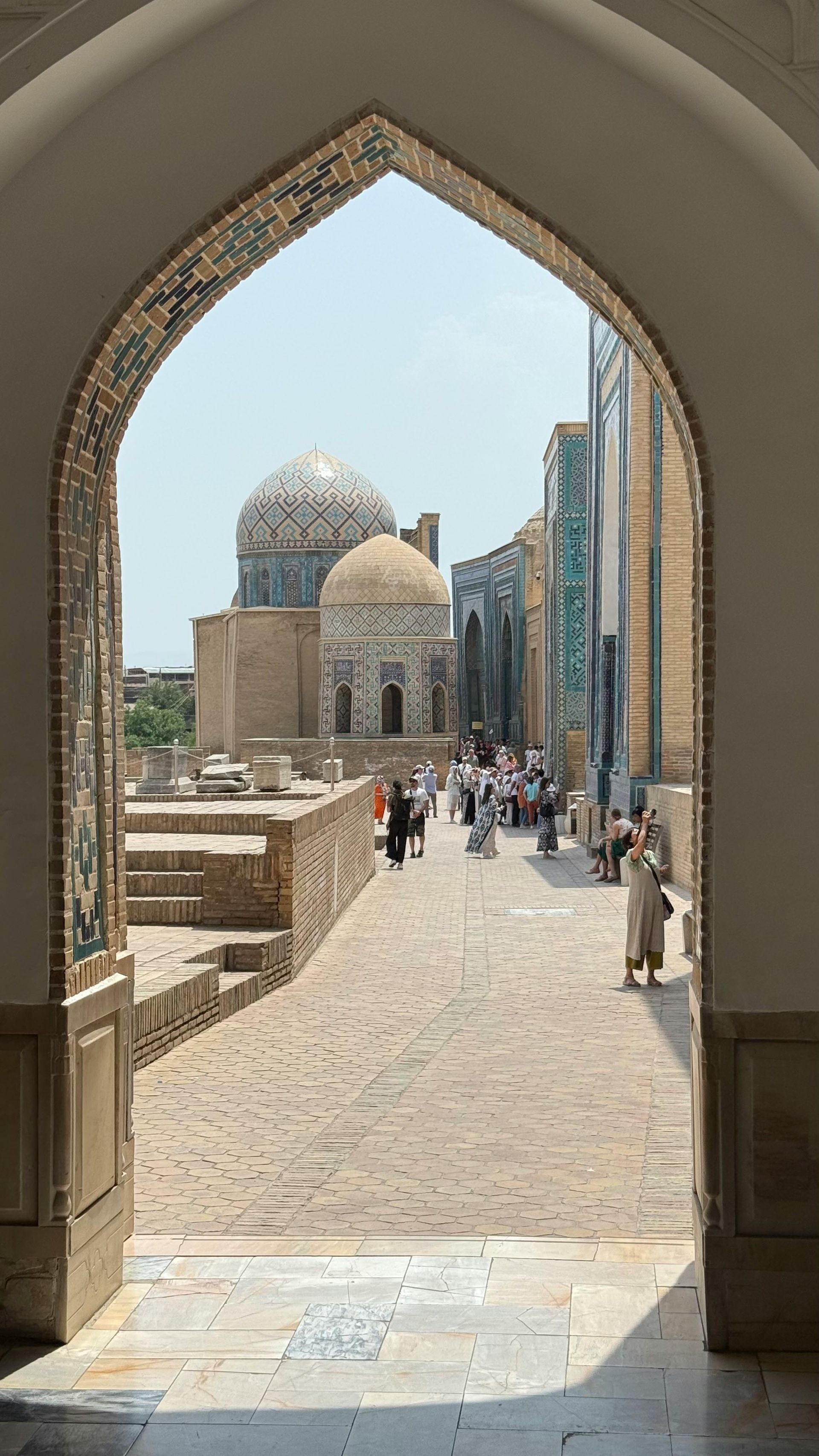
Shah-i-Zinda dates back to the 11th century and grew over time into one of the most sacred pilgrimage sites in Central Asia. According to local belief, Kusam ibn Abbas — a cousin of the Prophet Muhammad — was buried here after bringing Islam to the region.
There are places you visit for beauty. Shah-i-Zinda feels more personal than that.
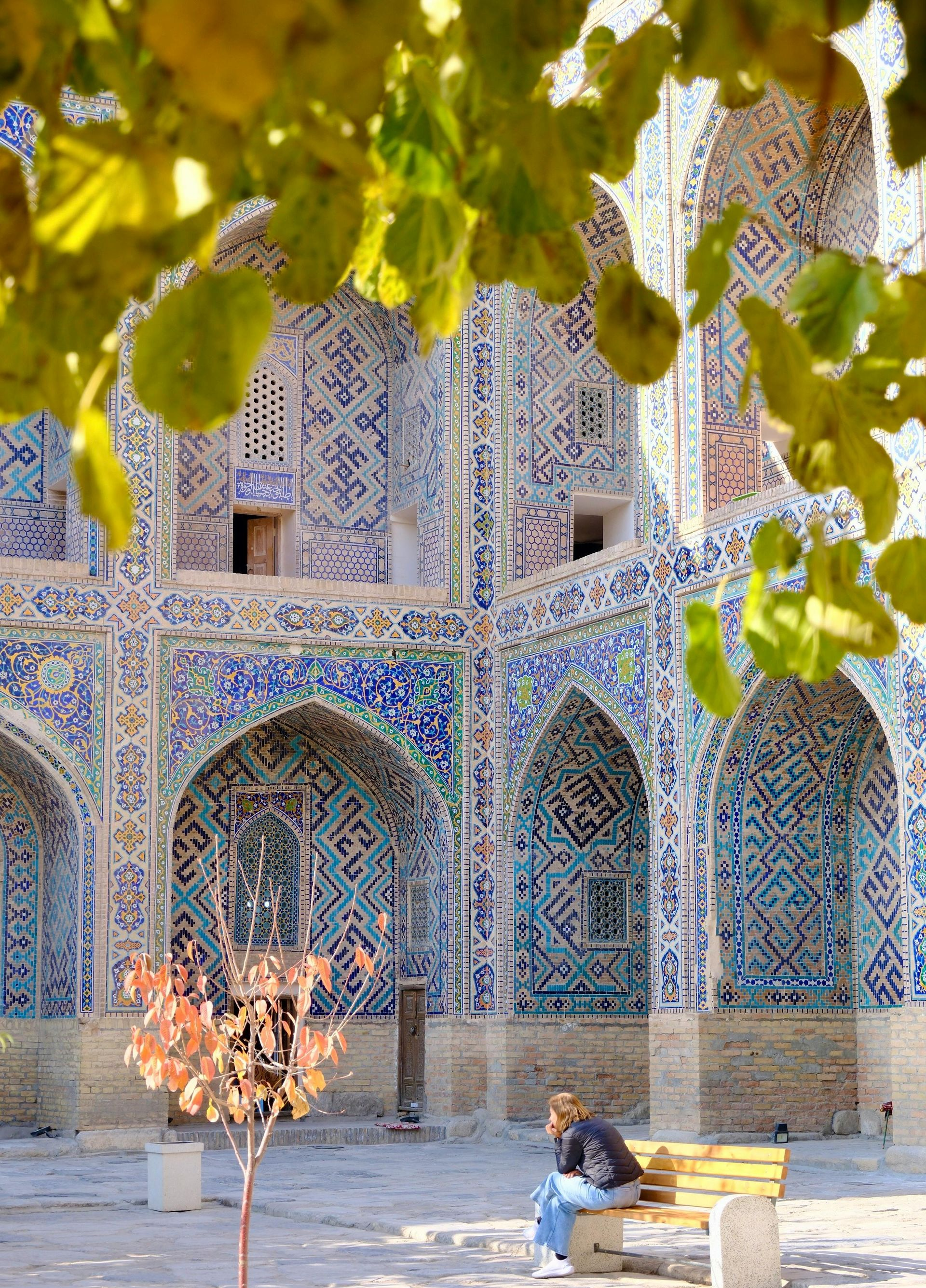
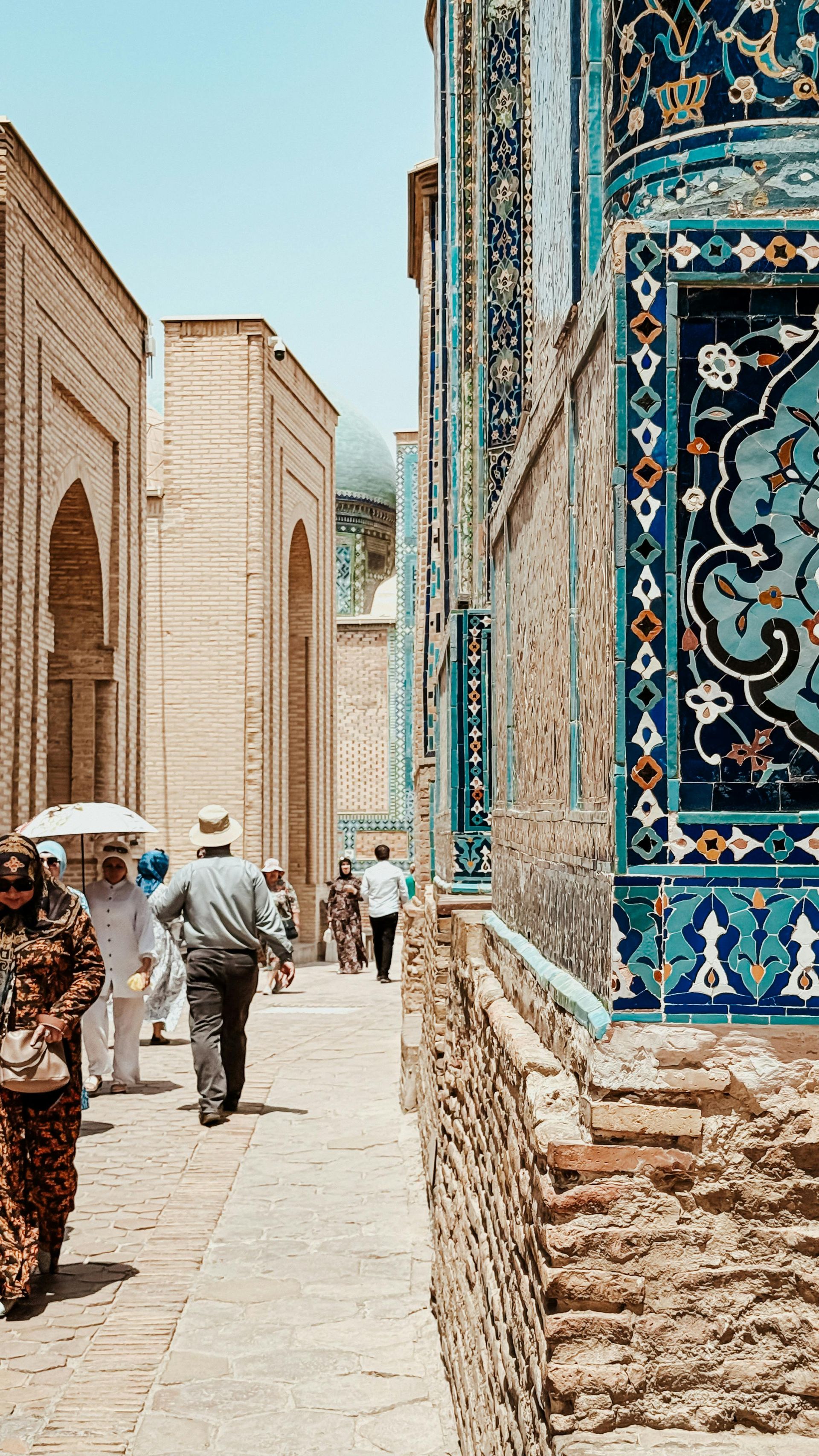
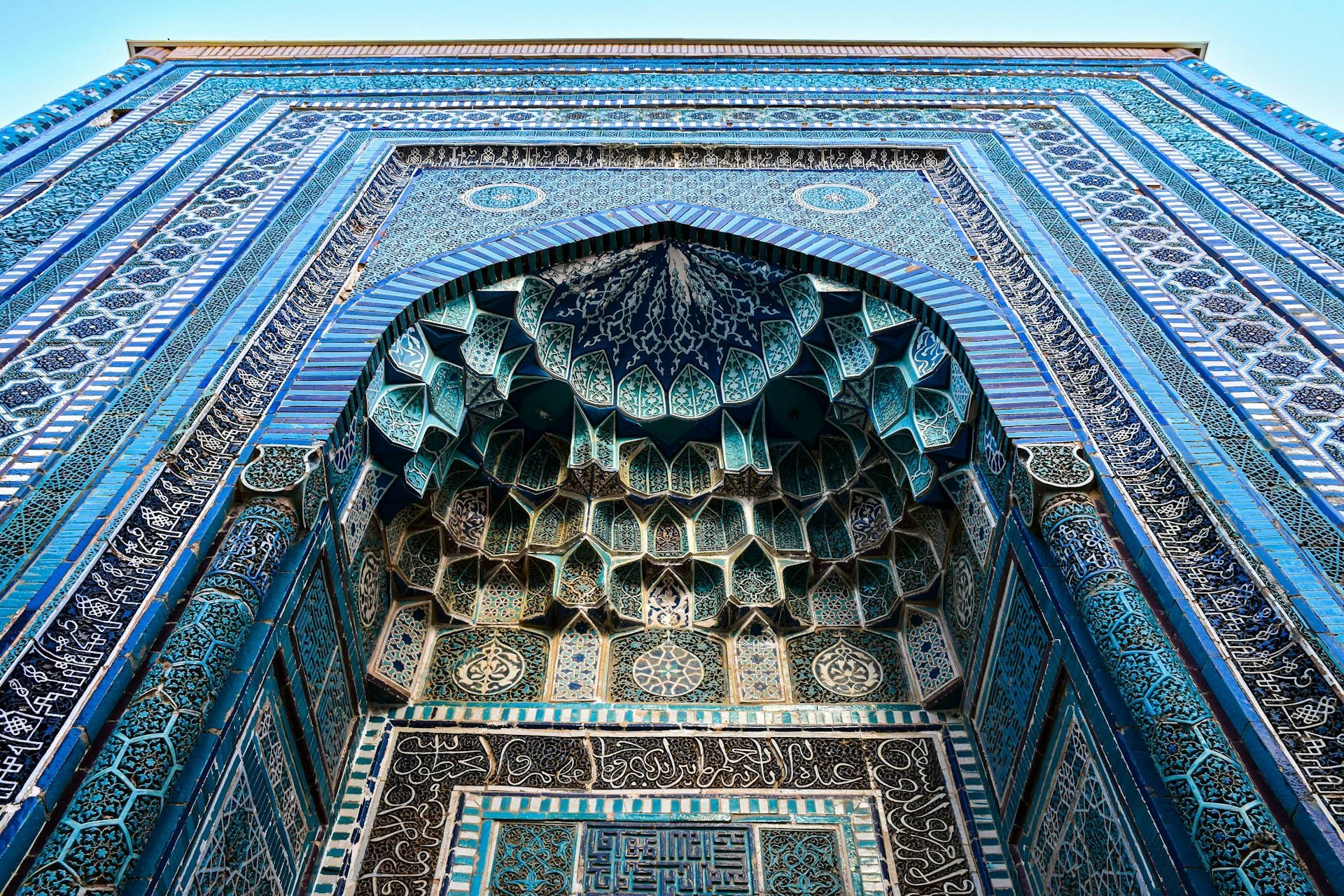
A narrow path climbs uphill between rows of mausoleums covered in deep blue ceramic work so detailed it almost looks painted by hand yesterday. Every tomb has its own patterns, its own shades, its own story.
Locals come to pray. Pilgrims touch the walls gently before entering. Elderly women sit quietly in the shade while children run up the stairs. It does not feel frozen in the past — it feels lived in.
And then there is the staircase tradition. Locals say that if you count the stairs on the way up and get the same number while walking back down, your sins are forgiven. Almost everyone tries it. Almost nobody agrees on the number.
Gur-e-Amir — The Mausoleum of Timur and the Timurid
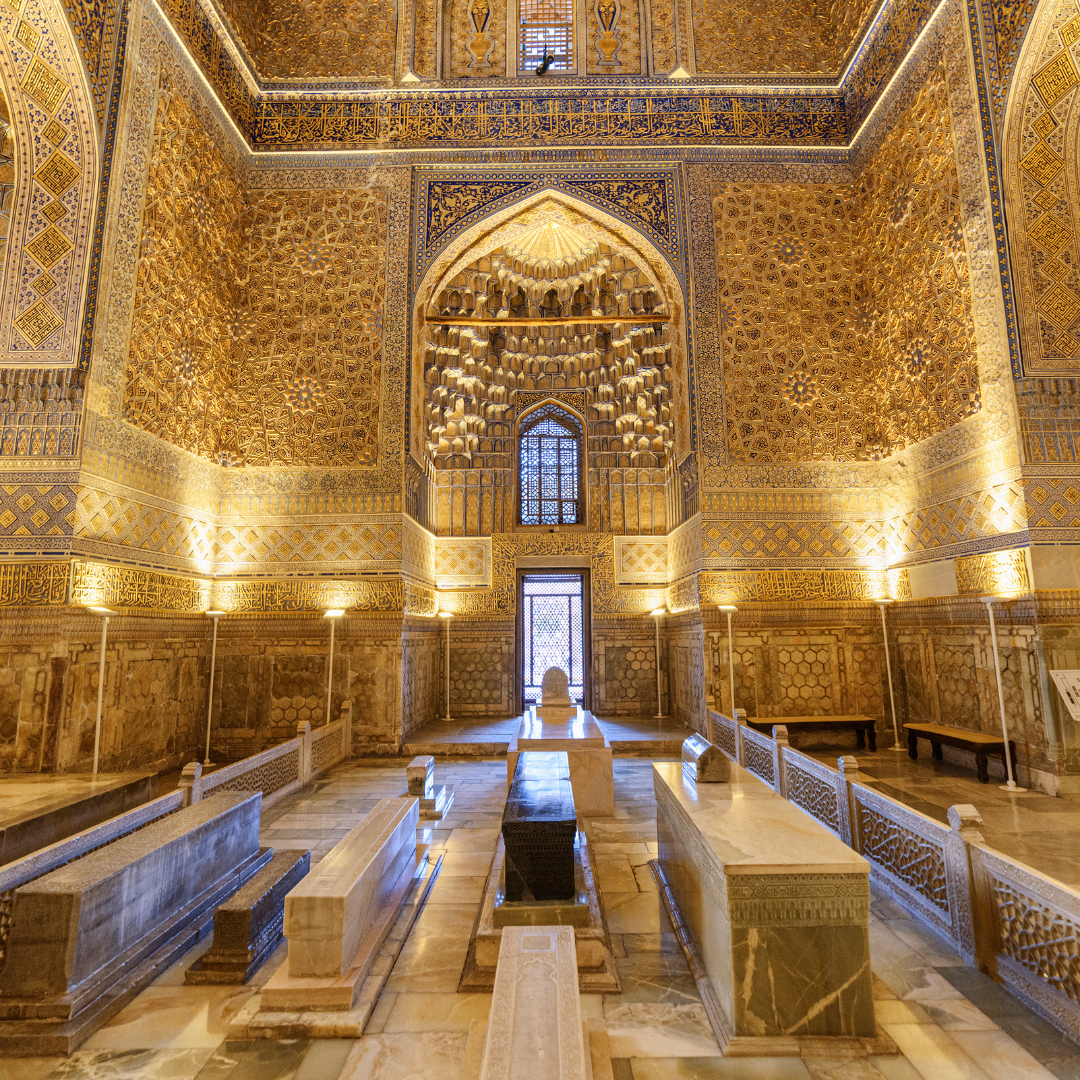
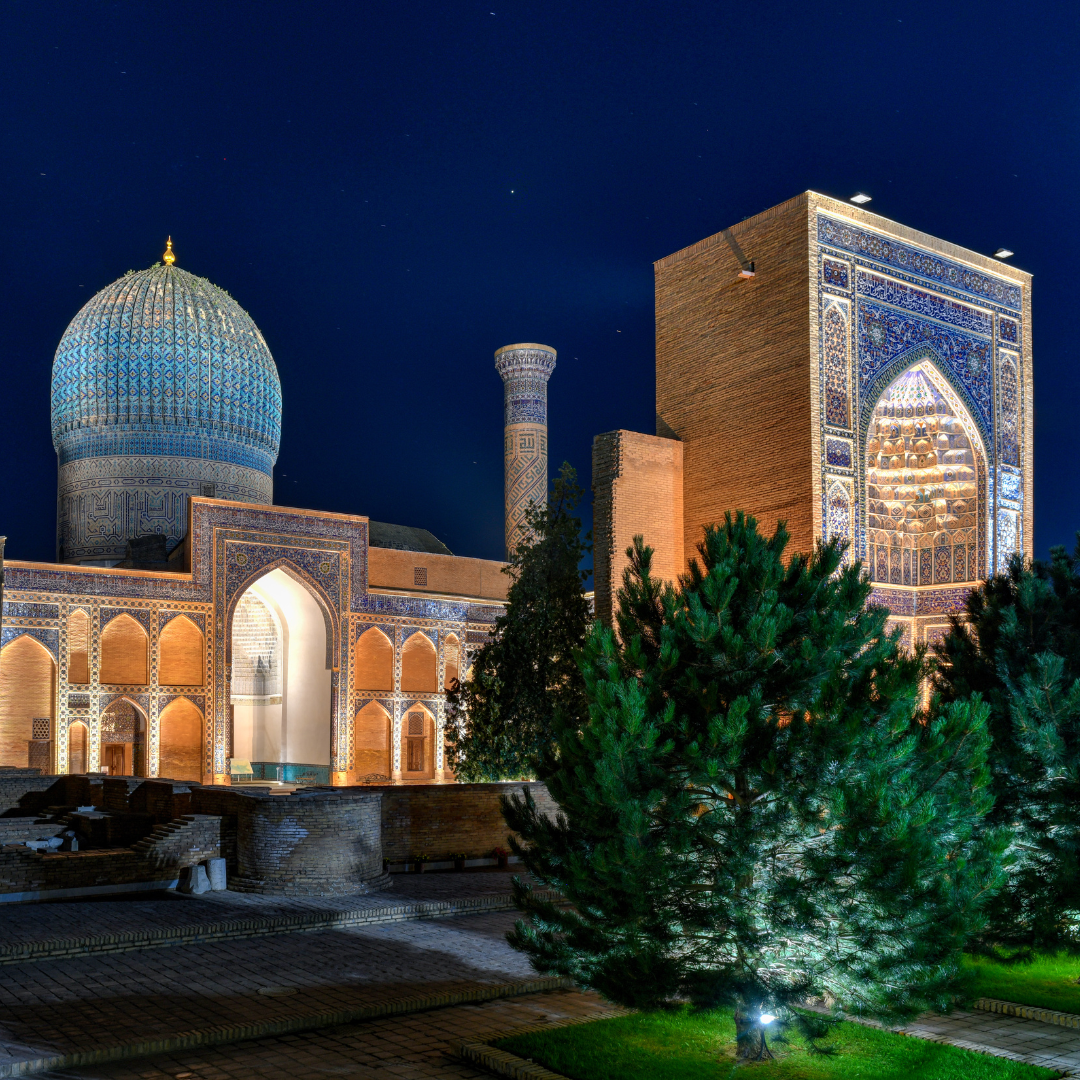
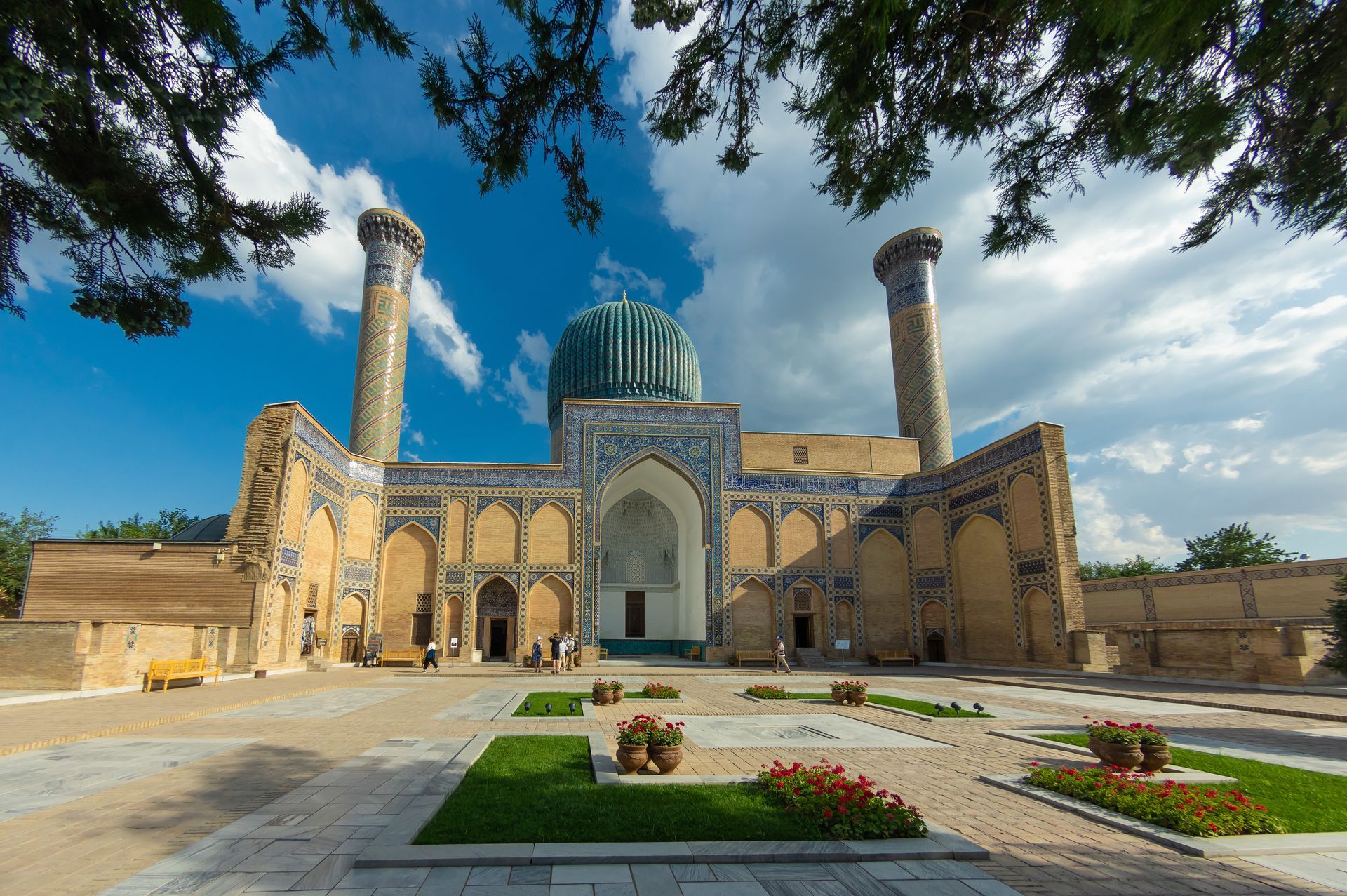
Gur-e-Amir was completed in the early 15th century as the dynastic mausoleum for Timur and his descendants. It later became one of the most important burial sites of the Timurid dynasty, shaping how Samarkand’s imperial identity is remembered today.
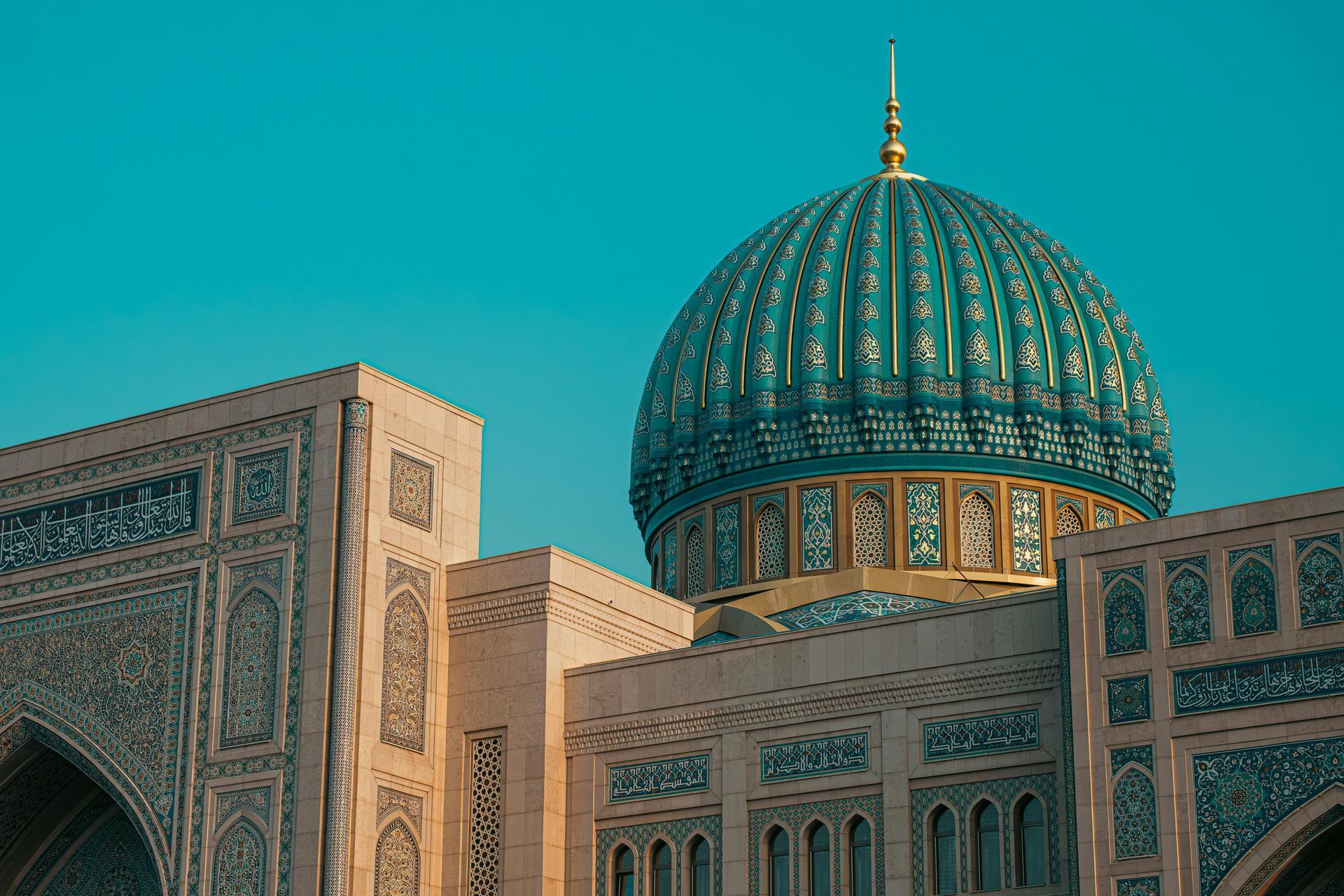
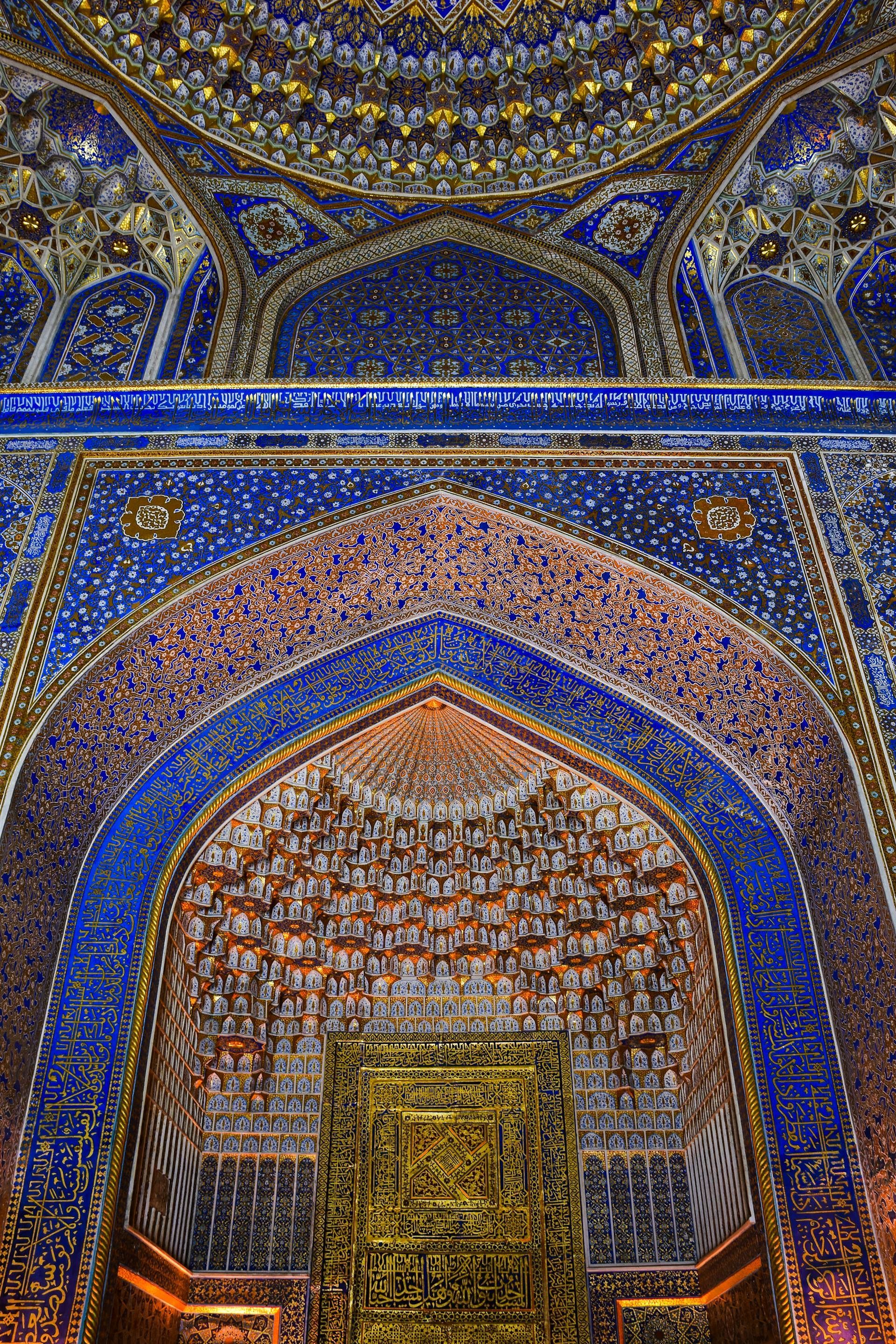
Outside, the ribbed turquoise dome dominates the skyline. Inside, gold-covered walls rise toward a ceiling that feels almost unreal under dim light.
Ulugh Beg Observatory — A Medieval Center of Astronomy
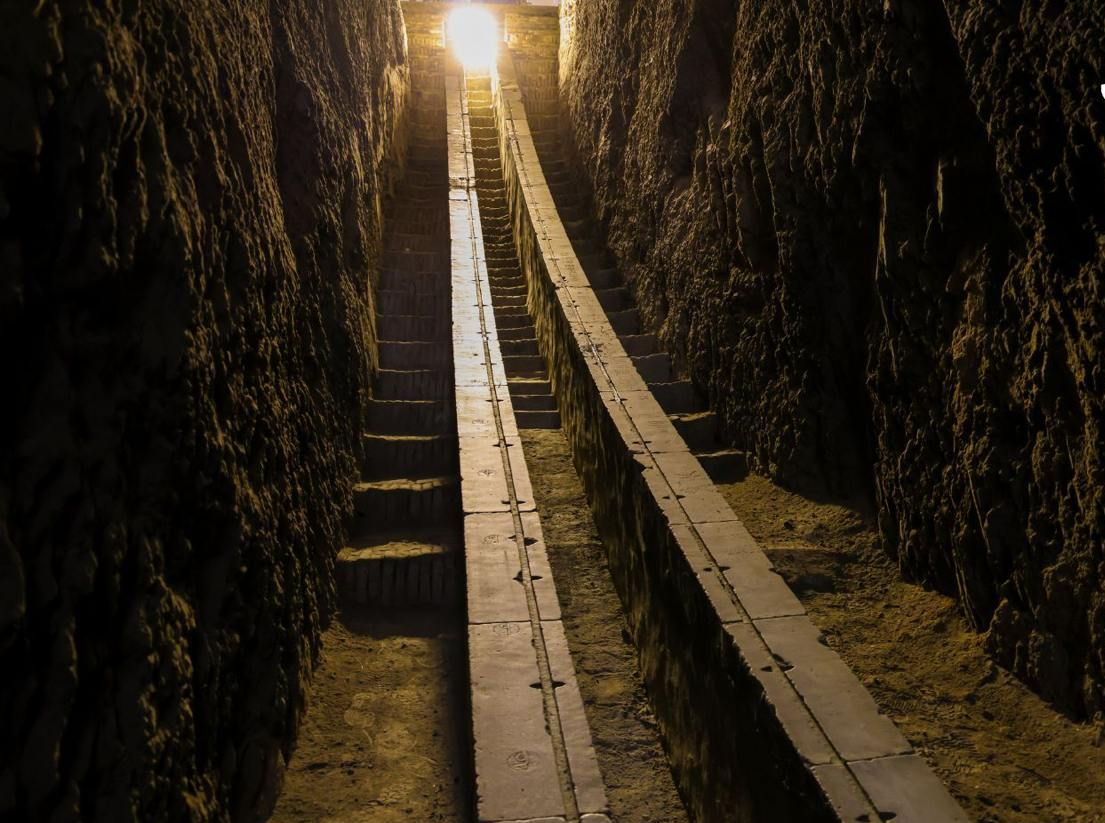
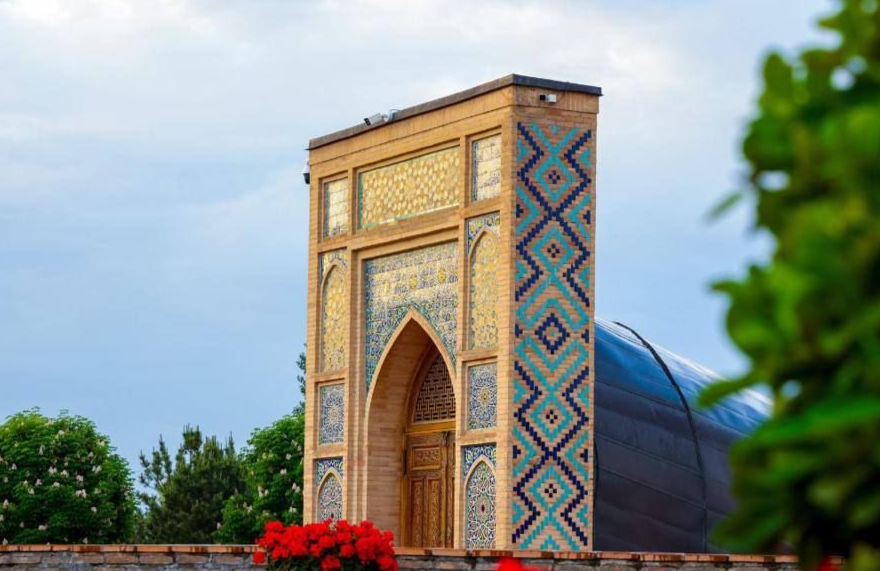
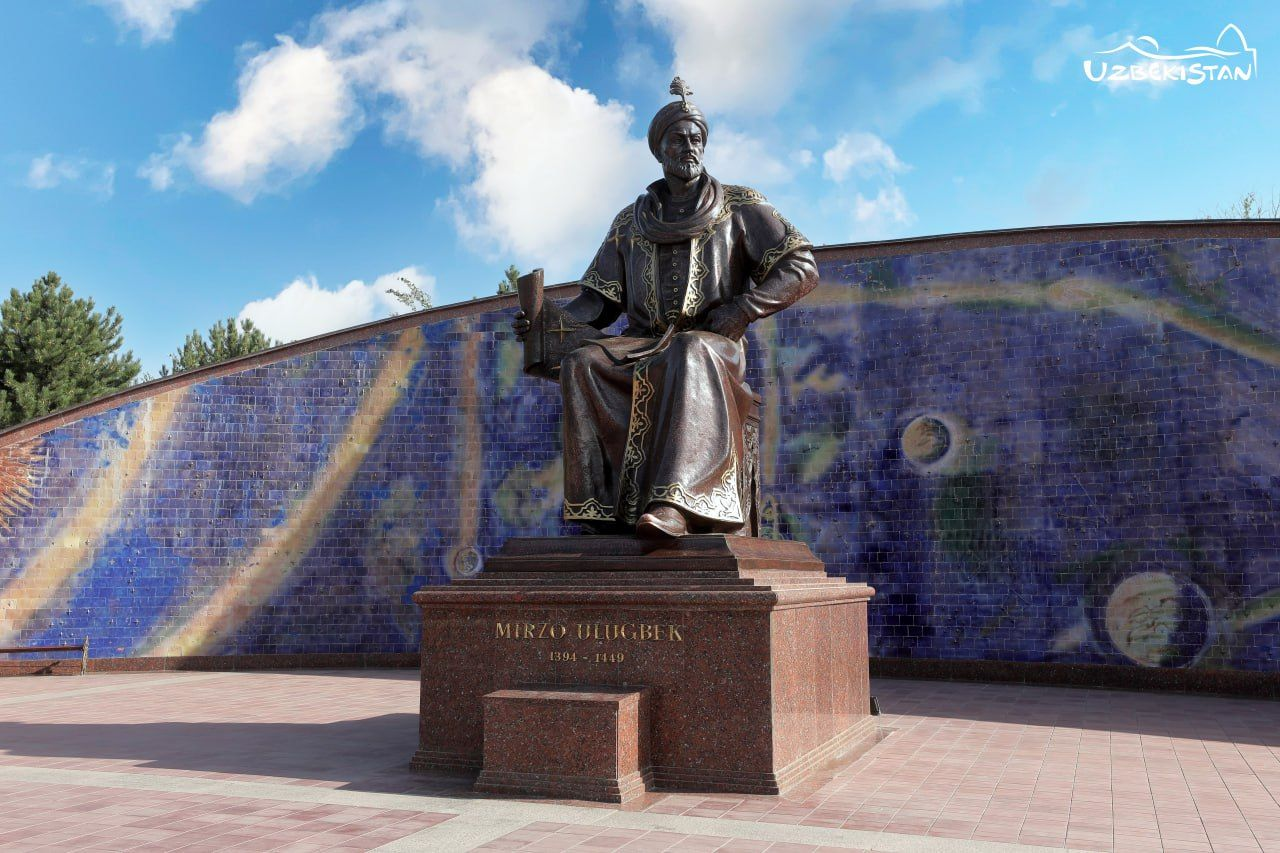
Ulugh Beg Observatory was built in the 1420s under Ulugh Beg, the grandson of Timur, who was less interested in conquest than astronomy. In the 15th century, scholars here calculated star positions with astonishing accuracy using massive instruments built directly into the earth.
What remains today is partly reconstructed, but the scale of the original instrument still impresses — a massive arc carved into the ground used to measure the movement of celestial bodies. The story behind it changes the way people see Samarkand. This was not only a city of traders and conquerors. It was also a city of science, mathematics, and ideas.
Siab Bazaar — The Real Rhythm of the City
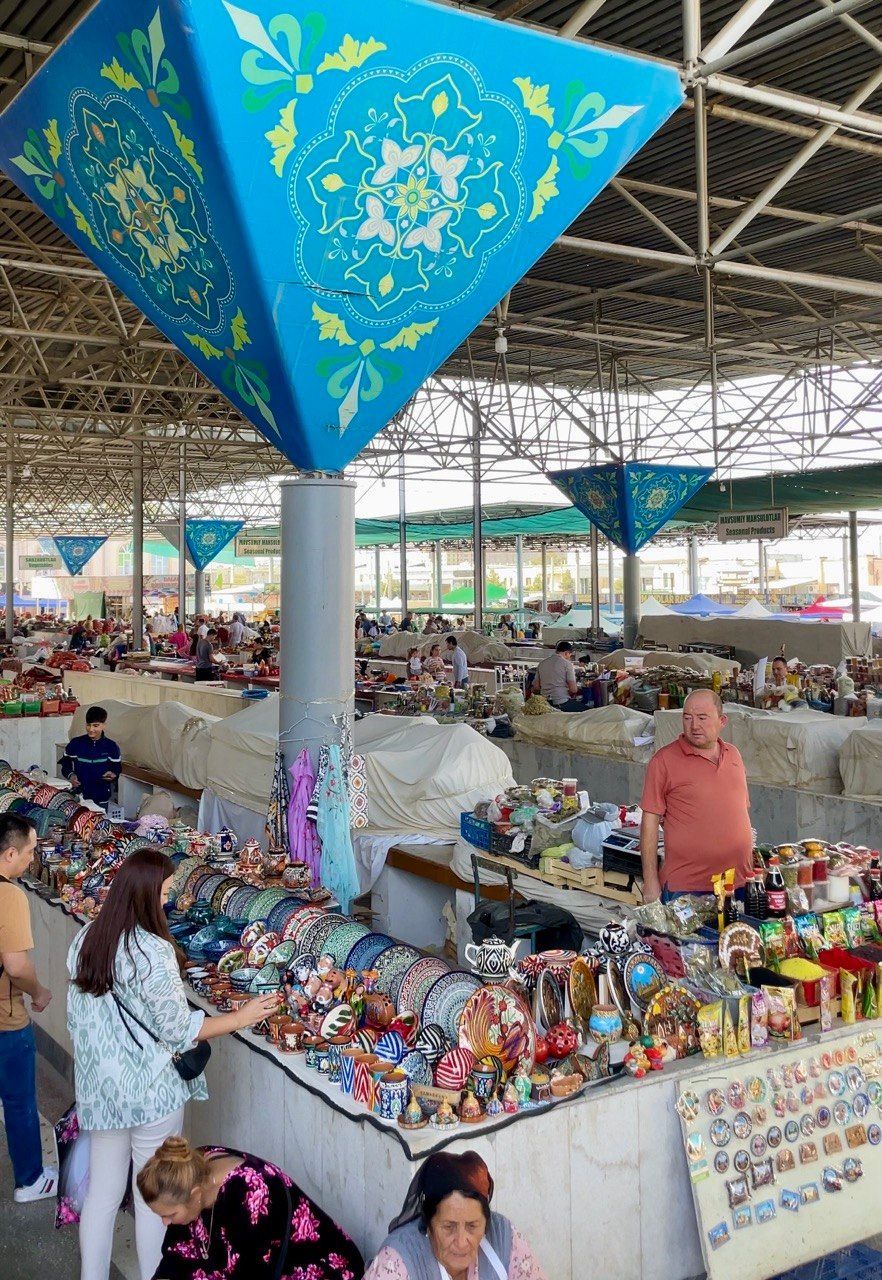
If Registan shows Samarkand’s grandeur, Siab Bazaar shows its heartbeat.
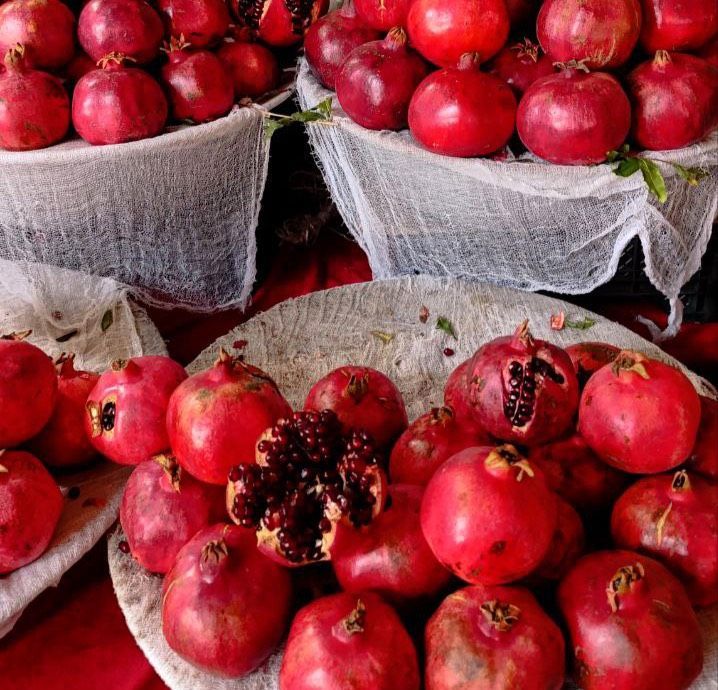
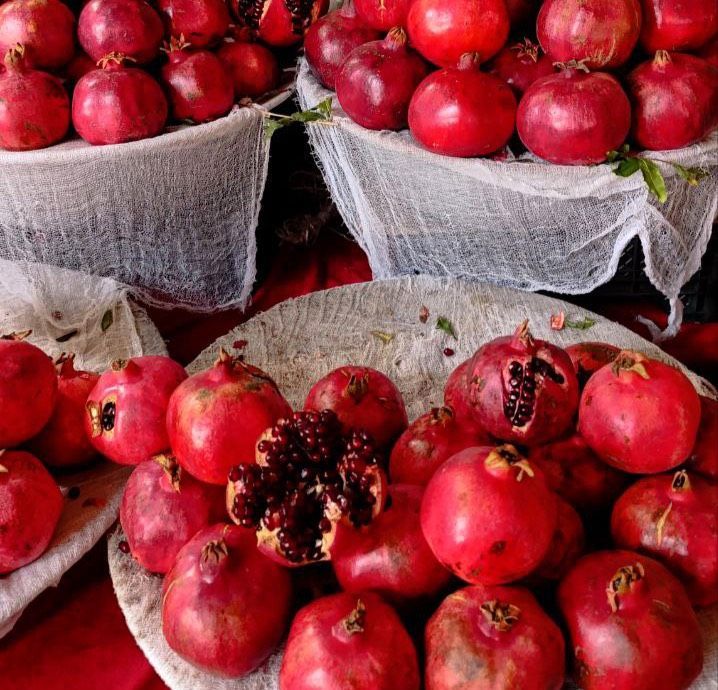
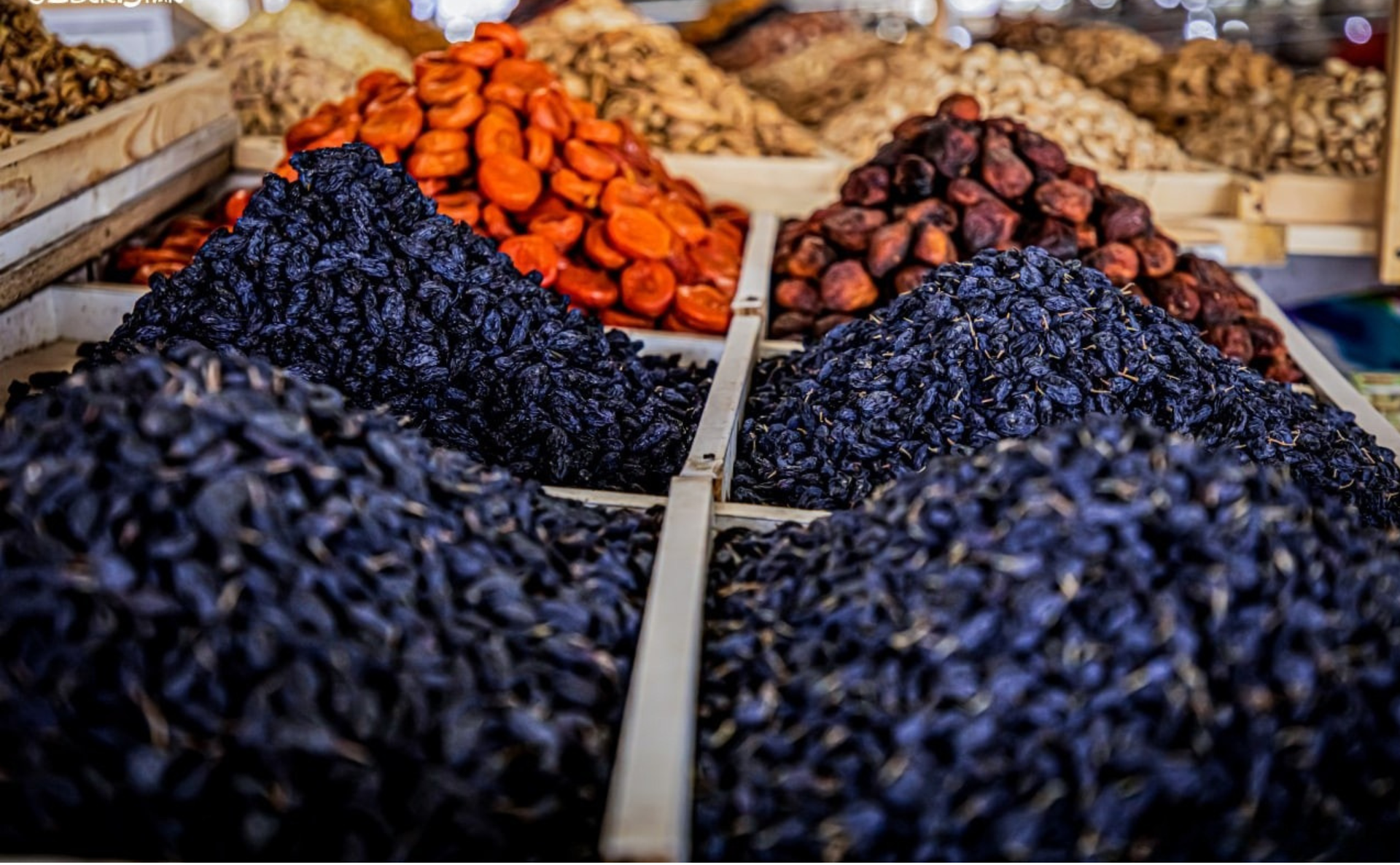
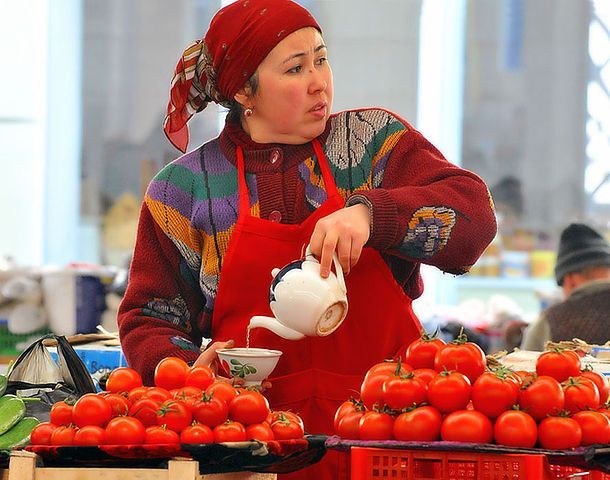
Vendors call out prices over piles of raisins, apricots, almonds, and spices. Fresh non bread is stacked in towers near the entrance, still warm from the tandyr ovens. Elderly men sit drinking tea while bargaining over melons.
This is where the city stops performing for tourists and simply becomes itself. Try the halva. Taste the local nuts. Buy too much dried fruit and regret nothing.
Bibi-Khanym Mosque — Built for an Empire
Bibi-Khanym Mosque was never meant to be modest.
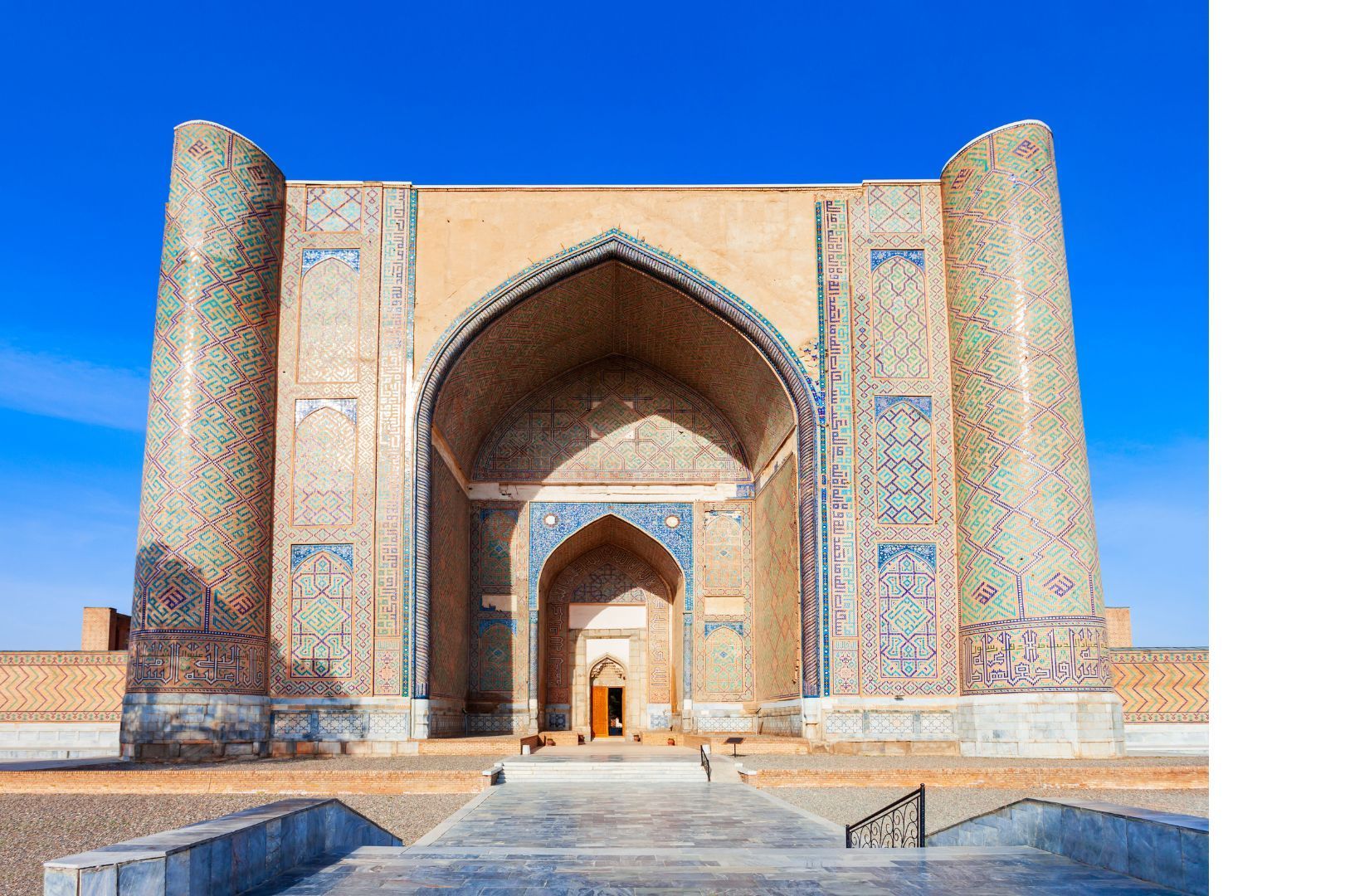
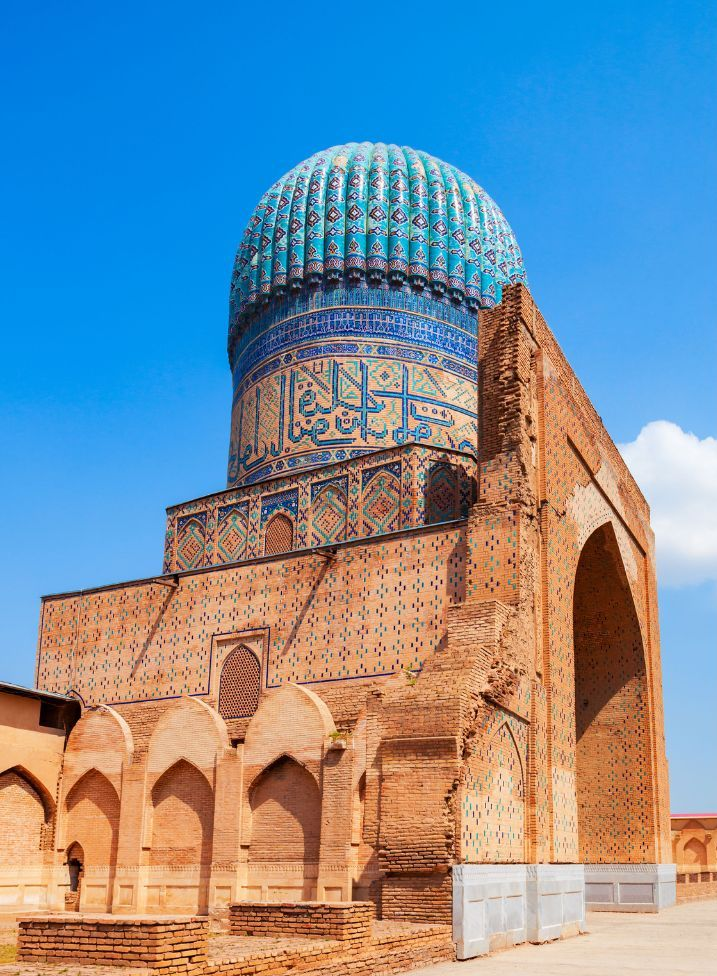
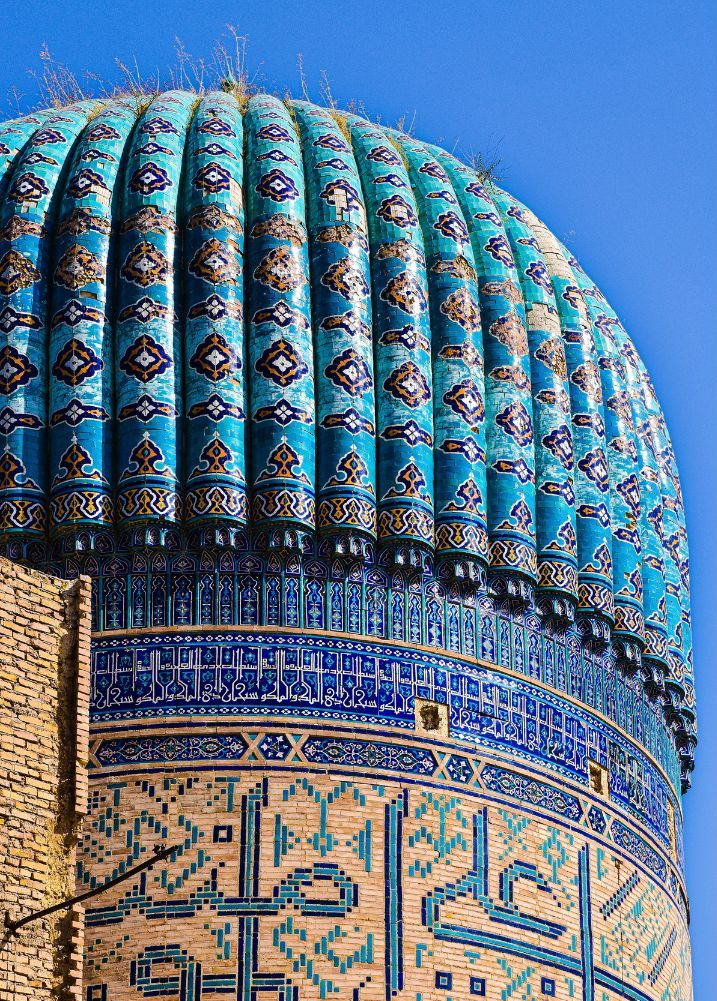
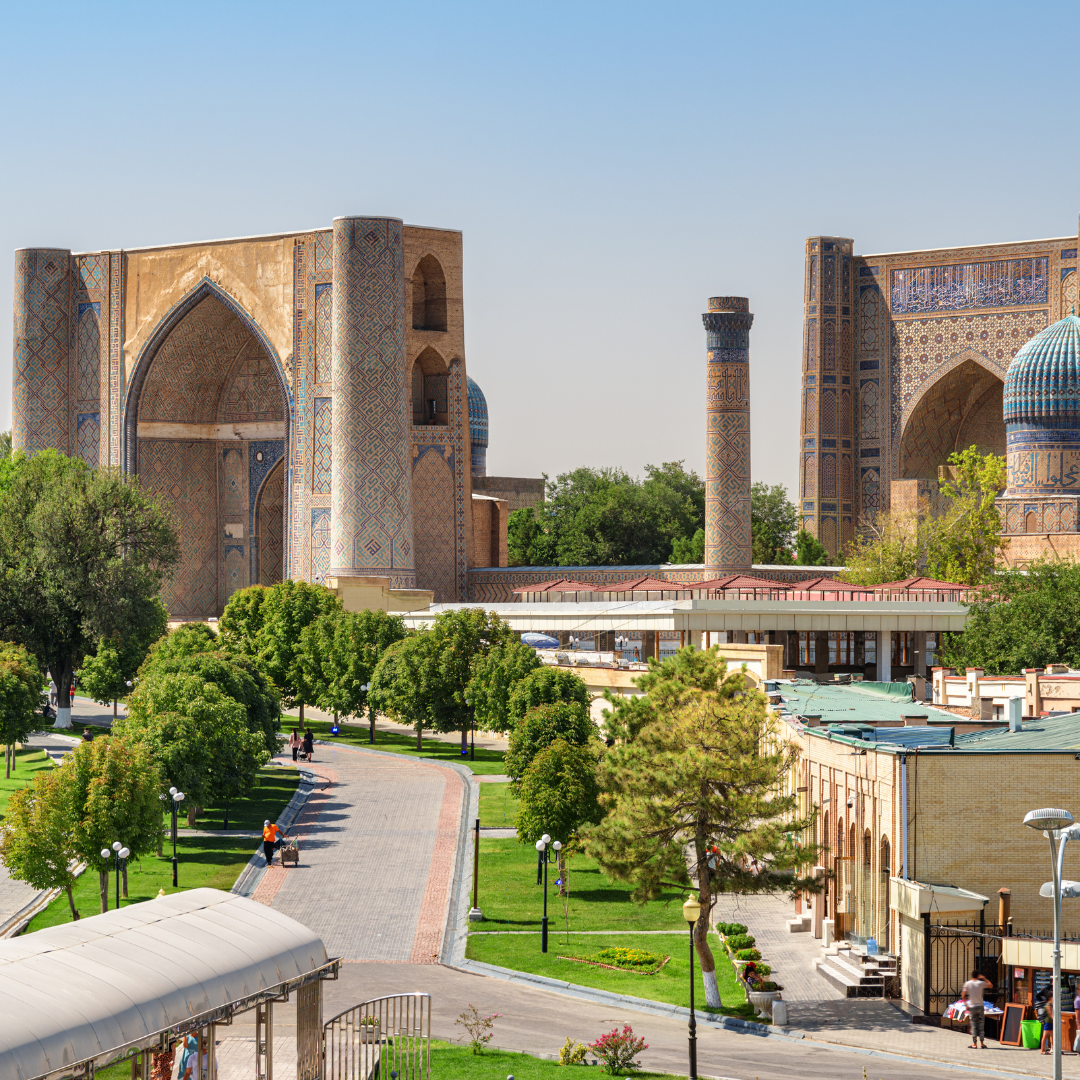
According to legend, Timur ordered the mosque to become the grandest in the Islamic world after returning from India. Whether the stories are true or not, the scale still feels excessive even today. The entrance portal rises so high it almost distorts perspective, while the massive blue dome dominates the skyline from several streets away.
According to historical accounts, the construction was completed in an incredibly short time, which later led to structural weaknesses and gradual damage from earthquakes.
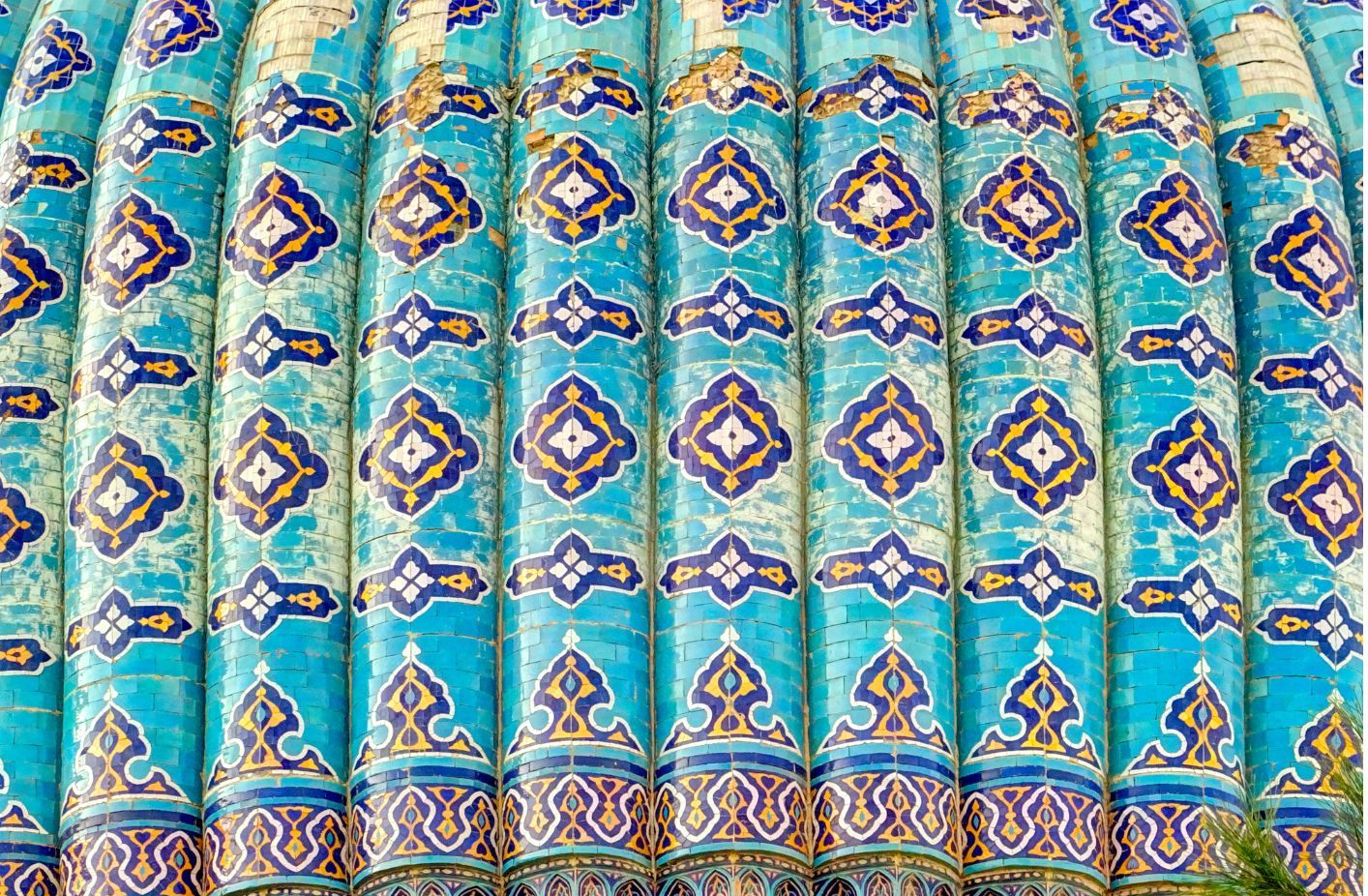
Broken symmetry, restored mosaics, enormous courtyards — everything here reminds visitors that Samarkand has endured far more than postcards usually show. Despite this, the mosque remains one of Samarkand’s most striking monuments, reflecting both the scale of Timurid ambition and the fragility of time.
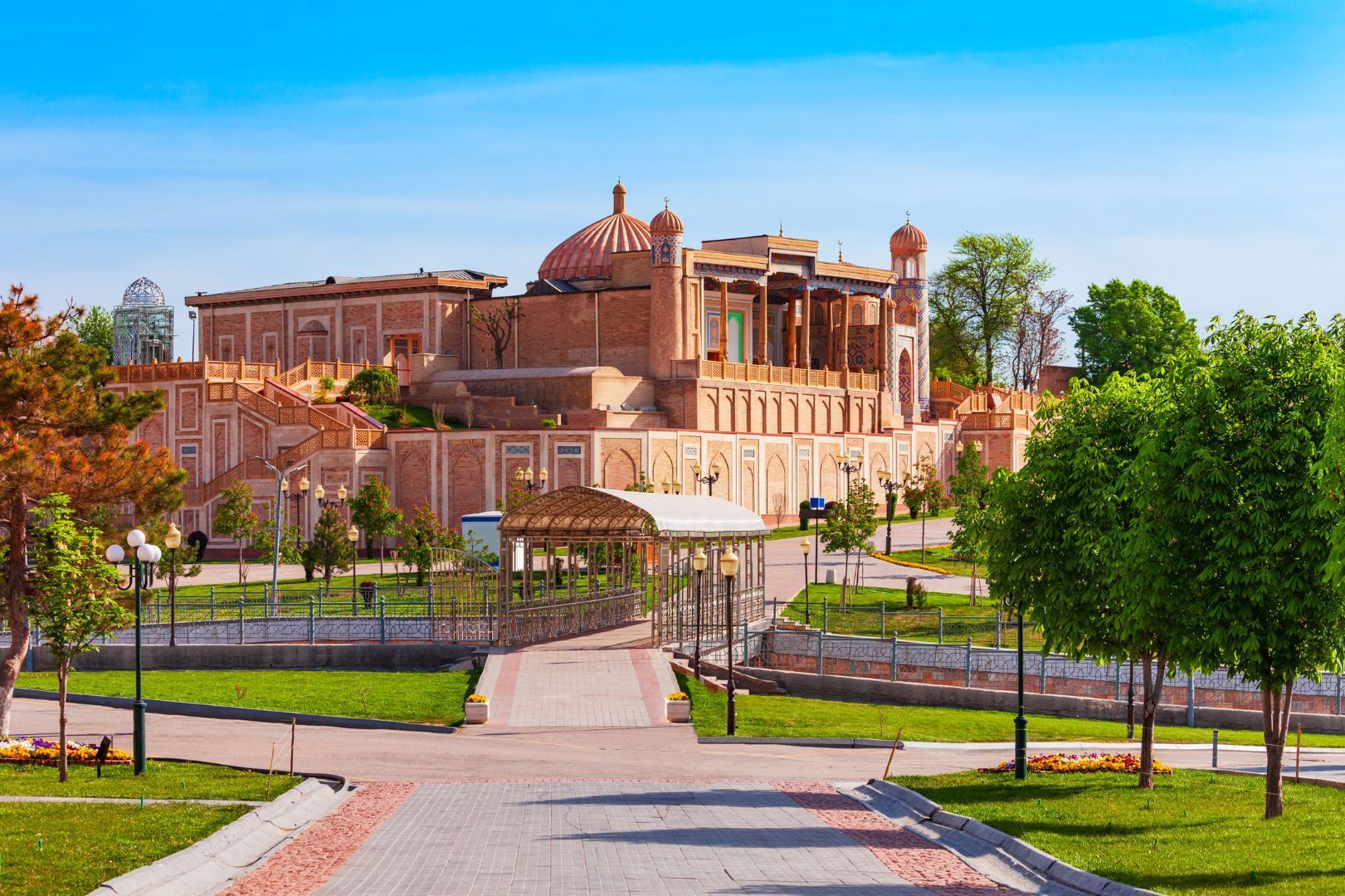
Hazrat Khizr Mosque — The Best View in Samarkand
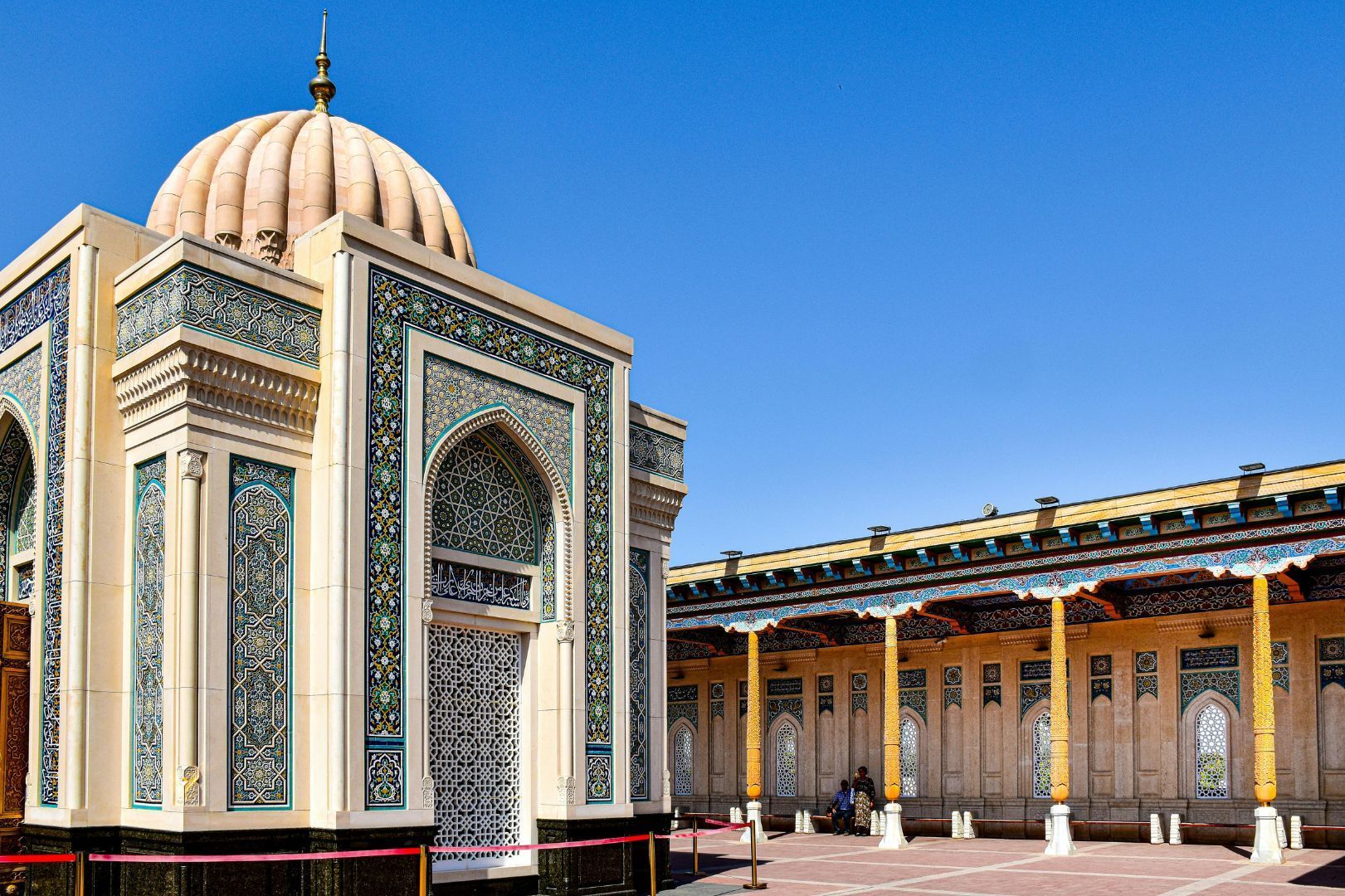
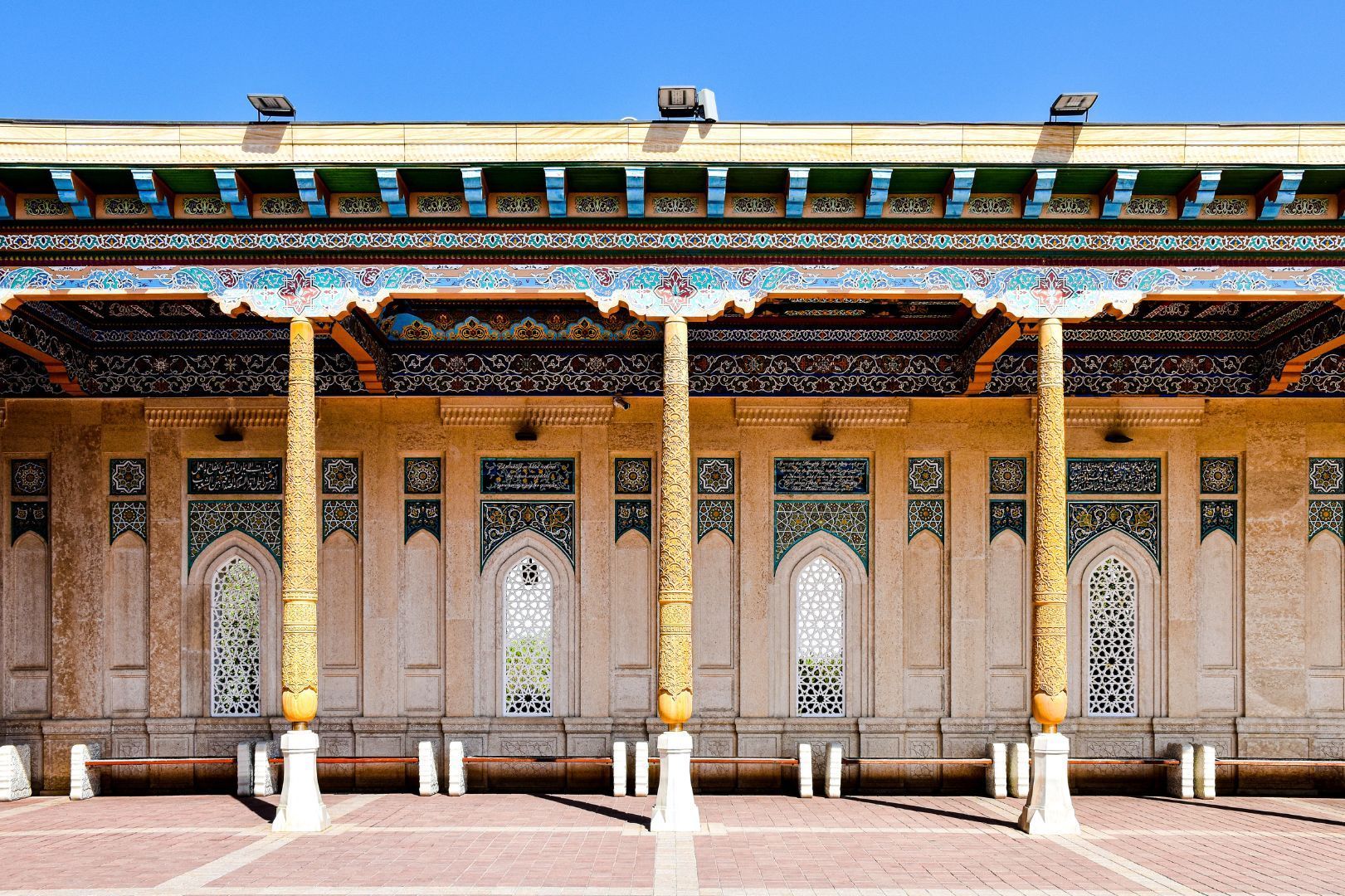
Hazrat Khizr Mosque is one of the oldest sacred sites in Samarkand, originally believed to stand near an early pre-Mongol settlement area. The mosque is dedicated to Hazrat Khizr (Khidr), a revered figure in Islamic tradition associated with guidance, wisdom, and protection of travelers. For centuries, the site has been considered a place of blessing, especially for those arriving in or leaving Samarkand.
Its position on a hill makes it one of the best panoramic viewpoints in Samarkand, where domes, neighborhoods, and distant landscapes come together in a single view. Here, you can enjoy one of the most beautiful views of the Bibi-Khanym Mosque.
This is also where the tomb of Uzbekistan’s first president, Islam Karimov, is located, and many locals come here to pay respects in silence.
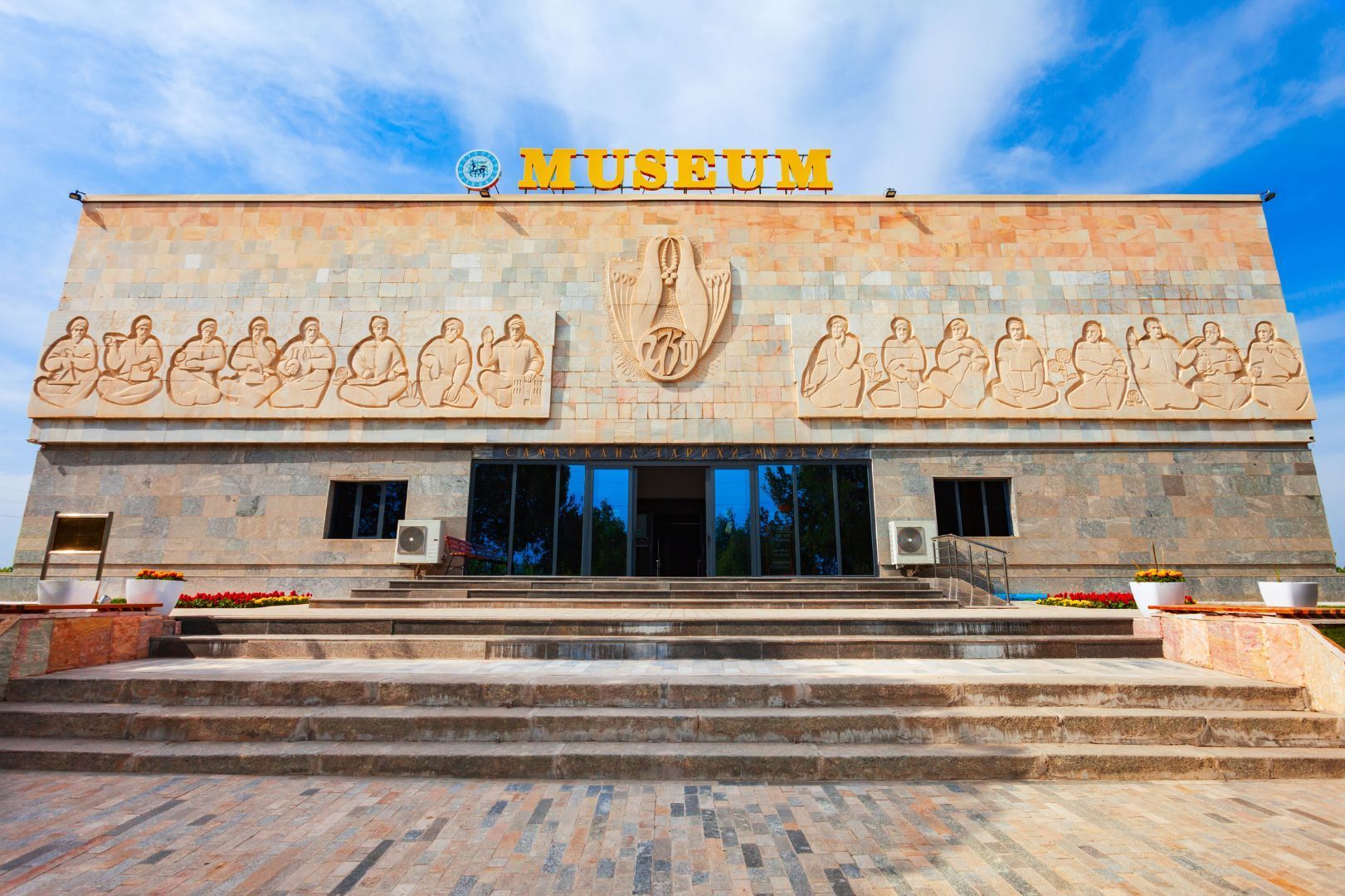
Afrosiab Museum — Before Samarkand Became Samarkand
Most travelers fall in love with medieval Samarkand. Afrosiab Museum takes you even further back.
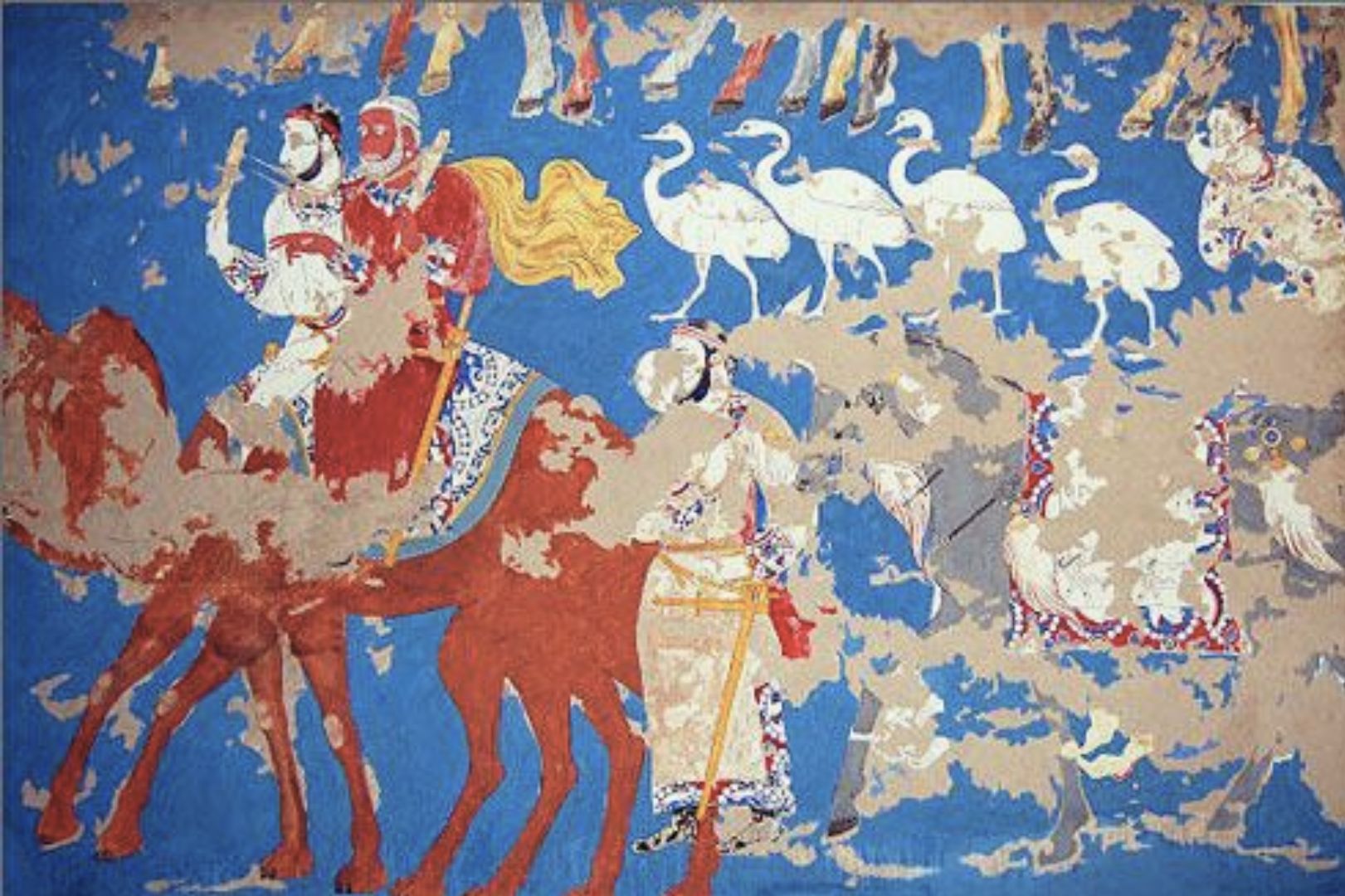
The museum stands beside the ruins of ancient Afrasiab — the original settlement destroyed by the Mongols in the 13th century. Inside, faded wall paintings, archaeological discoveries, and fragments of daily life reveal a city that existed long before Timur’s empire.
The famous frescoes are the highlight. Diplomats, hunters, musicians, and royal processions appear across the walls with remarkable detail, offering a rare glimpse into Central Asia over a thousand years ago.
It feels less like a polished museum and more like uncovering layers of a forgotten civilization.
The Mahallas of Samarkand — Where Everyday Life Happens
Behind the monuments and polished squares, Samarkand opens into something very different — its mahallas.
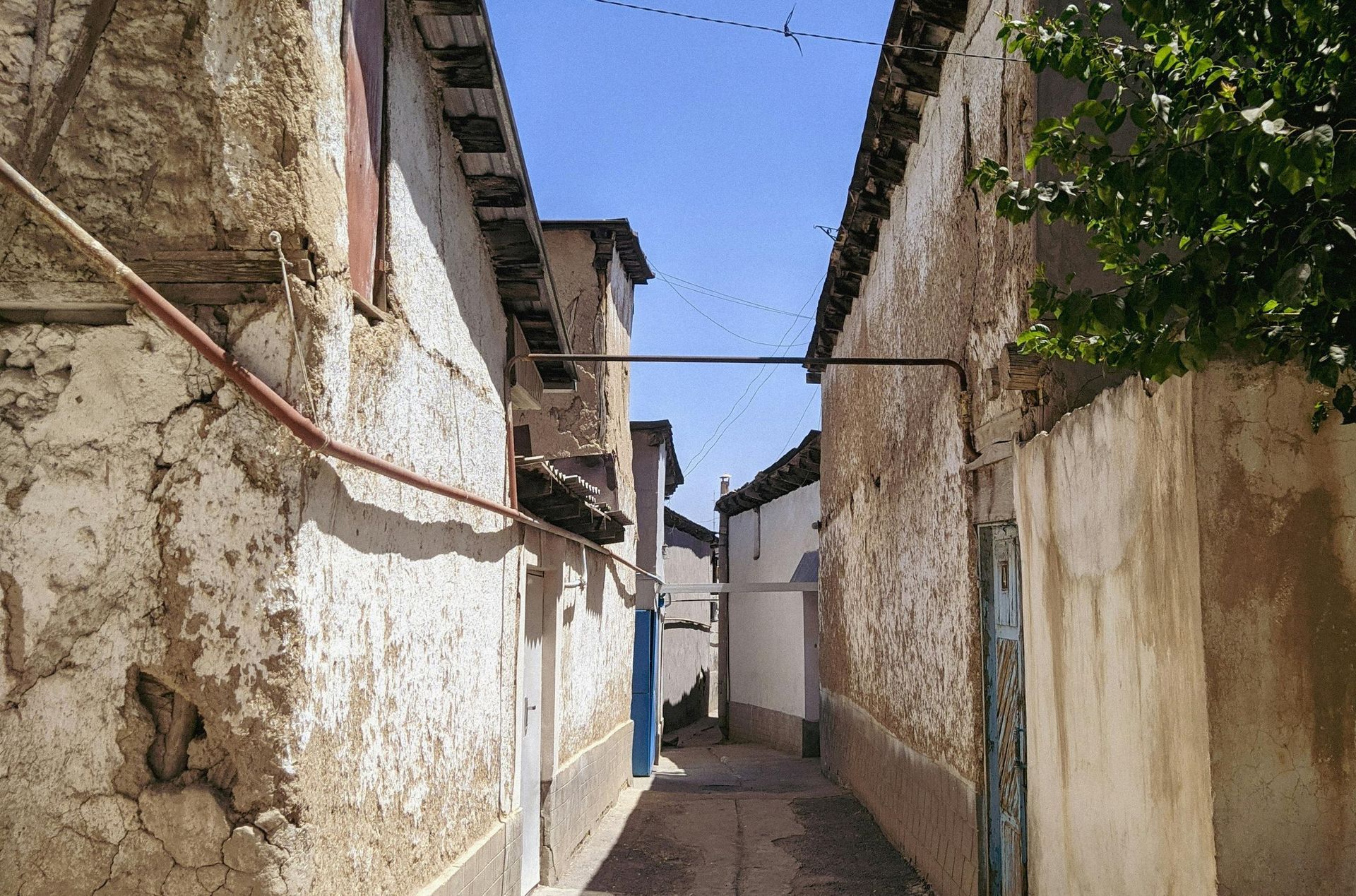
mahalla is not just a street or district. It is a living neighborhood system that has shaped daily life in Central Asia for centuries — a network of narrow lanes, courtyard houses, and close-knit communities where everyone knows each other, and privacy still exists behind high mudbrick walls and carved wooden gates.
Historically, mahallas were self-contained worlds inside the city. Each had its own rhythm: a teahouse, a small shop, a mosque, and families connected through generations. Even as Samarkand changed under empires, trade routes, and modern development, this structure survived almost unchanged. In many ways, it is the oldest “living layer” of the city — older than the restored monuments tourists usually come to see.
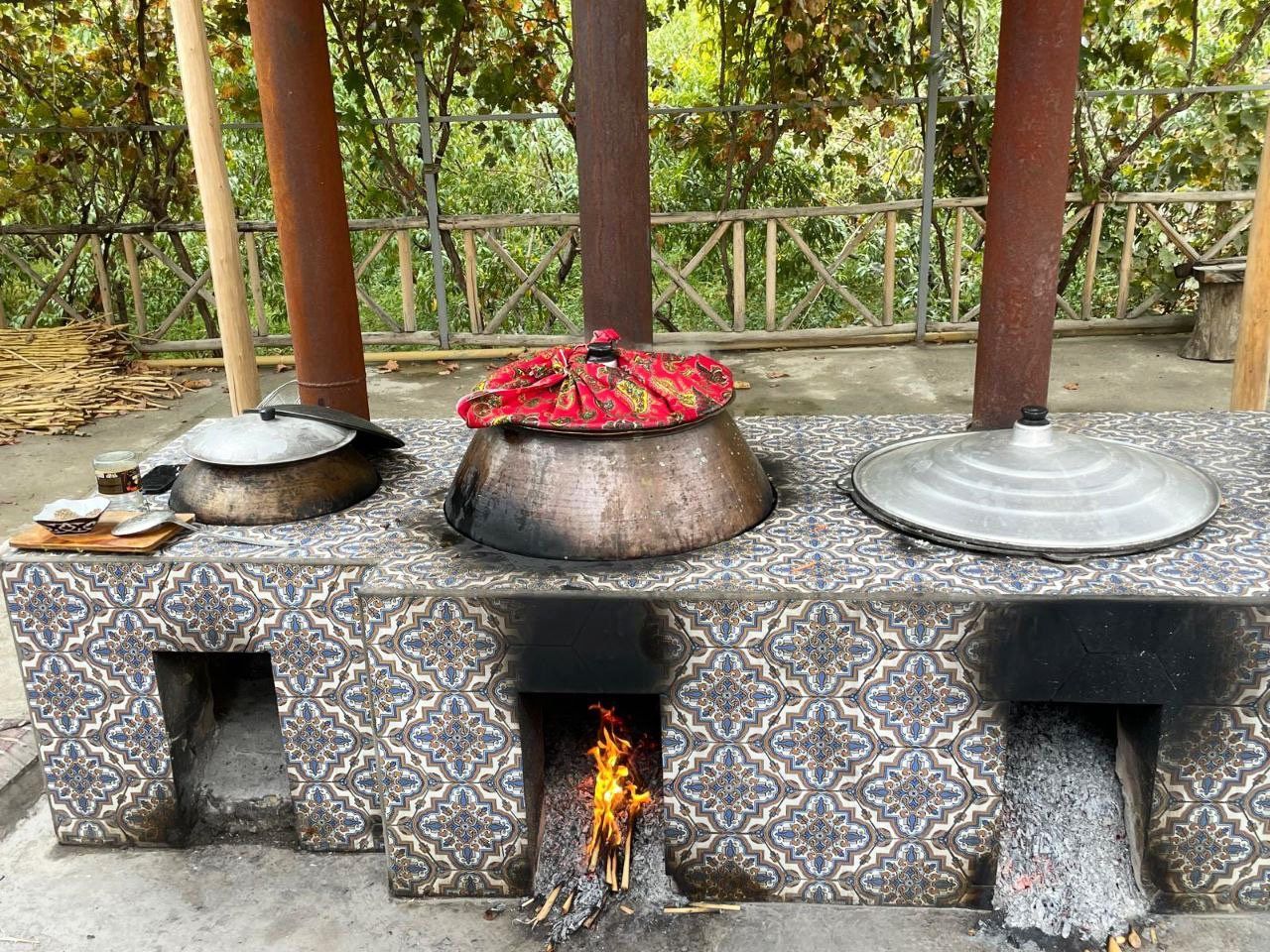
Walking through them today feels like crossing a threshold. One street away from the grand boulevards, you suddenly hear children playing, see bread being baked in small ovens, and notice vines growing over courtyards. Electricity cables hang loosely above narrow paths, doors are painted in deep blues and greens, and life unfolds without performance or audience.
This is the Samarkand that doesn’t announce itself — it simply continues.
Samarkand —
When the heat softens and the streets quiet down, Samarkand becomes unexpectedly romantic. Families walk through parks eating ice cream. Domes glow under warm lights. Music drifts from wedding restaurants hidden behind old walls.
And suddenly the city no longer feels ancient.
It feels alive.
People tend to return to Uzbekistan, and especially to Samarkand. Not because they missed one monument.Not because they needed better photos.
People return because Samarkand leaves unfinished impressions. You feel there is always another courtyard, another story, another hidden street you did not notice the first time. And perhaps that is the real charm of the city.
Samarkand never reveals itself all at once.