


BLOG
BUKHARA— THE CITY'S HIDDEN OUTER JEWELS
Bukhara is often imagined through its old city — narrow alleys, domes, and madrasas. But just beyond its walls lies a different layer of history: quieter, greener, and deeply personal. These places are less about grand city life and more about reflection, legacy, and memory.
Sitorai Mohi Khosa — The Palace Where East Meets West
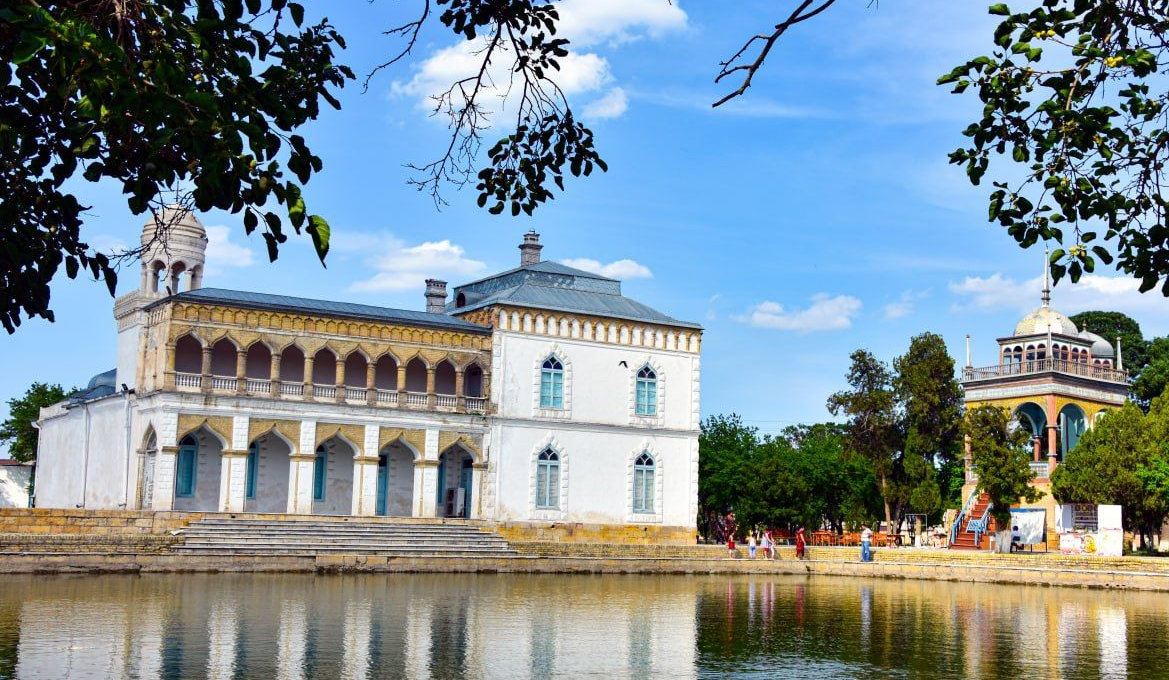
Located just a few kilometers from the old city of Bukhara, Sitorai Mohi Khosa was the summer residence of the last emirs of Bukhara and remains one of the most fascinating architectural landmarks in Uzbekistan. Its poetic name translates as “Star Like the Moon,” perfectly reflecting the elegance and charm of this extraordinary palace complex.
Built between the late 19th and early 20th centuries, the palace represents a unique moment in Central Asian history when traditional Oriental architecture began blending with European styles. While earlier rulers focused mainly on religious monuments, the last emirs of Bukhara invested in luxurious residences that reflected comfort, prestige, and openness to new influences.
The complex originally consisted of two sections — the Old Palace and the New Palace. Construction of the Old Palace began in 1892 during the reign of Emir Abdulahad Khan. Local craftsmen worked alongside architects influenced by Russian and European design, creating an unusual combination of Bukharan courtyards, carved wooden columns, and European-style facades with towers and classical porticos.
The White Hall
The most famous room in the palace is the spectacular White Hall. Decorated by the legendary master Usto Shirin Muradov, the hall is covered in delicate white ganch carving, mirrors, crystal chandeliers, and fine ornamental details.
One of its most remarkable features is the carved decoration placed directly over mirrors, creating an illusion of endless light and space. The hall was used for official receptions and ceremonies and remains one of the finest examples of Bukharan decorative art.
The Emir’s Private Apartments
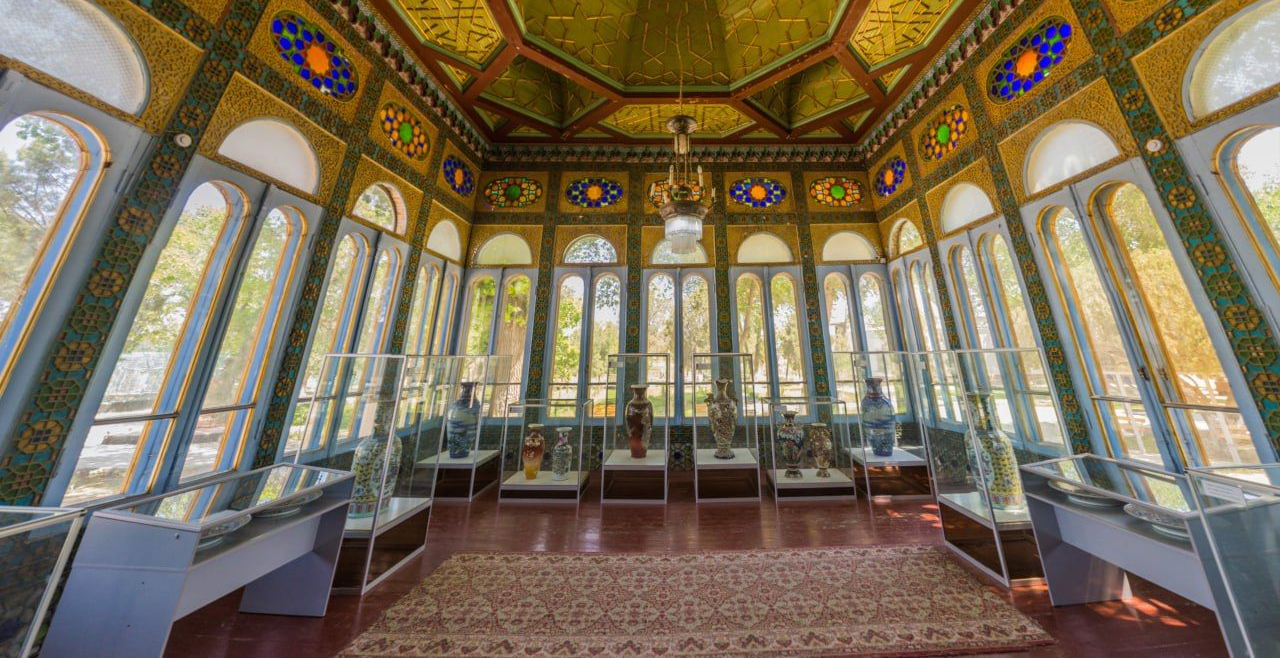
The private rooms of the emir were richly decorated with colorful floral paintings created by local artists. Every wall featured unique bouquets and intricate patterns painted by hand, making each room different from the next. European-style parquet floors, tiled stoves, and crystal lighting blended beautifully with traditional Bukharan craftsmanship.
The Gardens and Peacocks
The palace complex was surrounded by large landscaped gardens inspired by the traditional Central Asian “chor-bagh” design. Straight alleys, flowerbeds, pools, and shaded trees created a cool and peaceful atmosphere during the hot Bukharan summers. Even today, peacocks freely walk through the gardens, adding to the magical atmosphere of the palace.
The Hauz — The Royal Pool
One of the most impressive parts of the complex is the enormous hauz (water basin), measuring 53 by 46 meters — one of the largest in Central Asia. Besides its beauty, the pool helped cool the surrounding air and made the palace gardens more comfortable during summer heat.
The Harem and Inner Courtyards
The palace also included private inner courtyards and the harem area, reserved exclusively for the emir’s family and closest circle. These hidden spaces were designed for privacy, comfort, and relaxation.
Although some of these buildings have not survived, they once formed an important part of palace life.
The Dining Pavilion
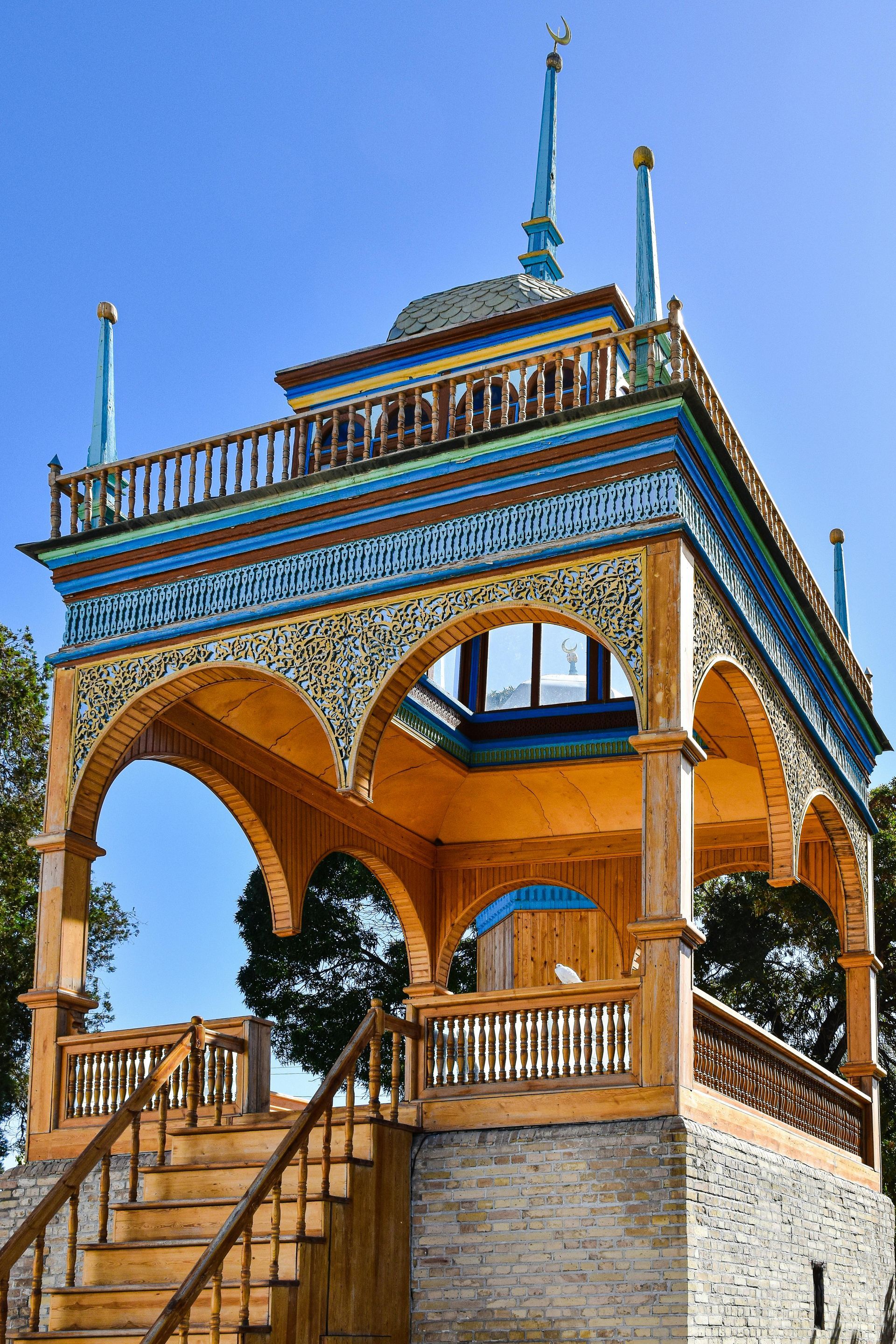
Another interesting structure is the Octagonal Pavilion, used as a dining hall. From the outside, it resembles a European villa, while inside it features elegant Oriental floral paintings and decorative details created by Bukharan masters.
What makes Sitorai Mohi Khosa truly unique is its unusual combination of architectural styles. Traditional carved айvans, courtyards, and Oriental ornamentation stand side by side with European columns, towers, chandeliers, and classical facades.
This fusion reflects the final years of the Emirate of Bukhara — a period when the region was balancing between ancient traditions and modern European influence.
Today, Sitorai Mohi Khosa is one of the most beautiful and atmospheric landmarks in Uzbekistan. Walking through its gardens, halls, and courtyards feels like stepping into the final chapter of royal Bukhara.
Bahauddin Naqshband Complex — The Spiritual Heart of Bukhara
Located about 7 kilometers from Bukhara, the Bahauddin Naqshband Complex is one of the most important spiritual sites in Central Asia and one of the holiest places in Uzbekistan.
It is the burial place of Sheikh Bahauddin Naqshbandi — the founder of the famous Naqshbandi Sufi order, whose teachings influenced the Islamic world for centuries.
The ensemble began to take shape in the 16th century around the tomb of the saint, who died in 1389. Over time, rulers of Bukhara continuously expanded the complex, adding mosques, courtyards, madrasahs, айvans, a khanaka for Sufi gatherings, and beautiful pools surrounded by shaded gardens.
At the center of the complex stands the sacred dahma — the marble tomb of Bahauddin Naqshbandi, enclosed by finely carved stone railings. Nearby rises the monumental khanaka built by Abdulaziz Khan in 1544, considered one of the finest examples of Central Asian religious architecture of its period.
The atmosphere of the complex is peaceful and deeply spiritual. Pilgrims from across the Muslim world come here to pray, reflect, and seek blessings. According to local belief, visiting the shrine three times was once considered spiritually equal to performing the pilgrimage to Mecca.
One of the most fascinating parts of the complex is the sacred “Stone of Wishes” known as Sangi Murad. According to legend, after returning from Mecca, Bahauddin Naqshbandi received a holy black stone sent from heaven by Prophet Ibrahim in a dream. Today, visitors still approach the stone to make wishes and ask for blessings.
Near the central pool lies the remains of an ancient sacred mulberry tree connected to another local legend. It is believed that the saint planted his staff into the ground after returning from pilgrimage, and it grew into a mighty tree revered for centuries.
Bahauddin Naqshbandi himself was not only a spiritual leader but also a reformer of Sufism. Unlike many wandering dervishes of his time, he believed in combining spirituality with honest work, knowledge, and everyday life. His teachings emphasized simplicity, inner devotion, silent prayer, and moral discipline.
What is Sufism?
Sufism is the mystical and spiritual dimension of Islam that focuses on the inner path toward God through love, self-discipline, humility, and spiritual purification. Rather than concentrating only on religious rituals, Sufism teaches believers to develop a deep personal connection with God through the heart and soul.
Sufis believe that spirituality should be reflected not only in prayer, but also in everyday life, honest work, kindness, patience, and respect for others. One of the central ideas of Sufism is the purification of the ego and the search for inner peace and truth.
For centuries, Sufism played an important role in the culture, philosophy, literature, and spiritual life of the Islamic world, influencing generations far beyond Central Asia.
From Bukhara, the Naqshbandi order spread across Central Asia, Persia, the Ottoman Empire, and beyond, becoming one of the most influential Sufi brotherhoods in the Islamic world.
Today, the Bahauddin Naqshband Complex remains not only an important pilgrimage destination, but also a remarkable architectural and cultural monument where history, spirituality, and local tradition come together in a uniquely peaceful atmosphere.
Chor-Bakr — The “City of the Dead” Near Bukhara
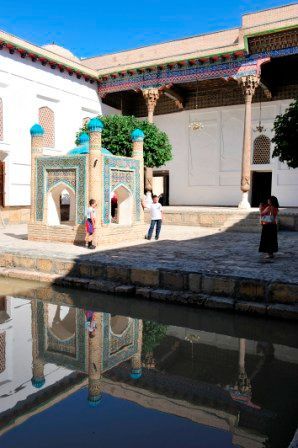
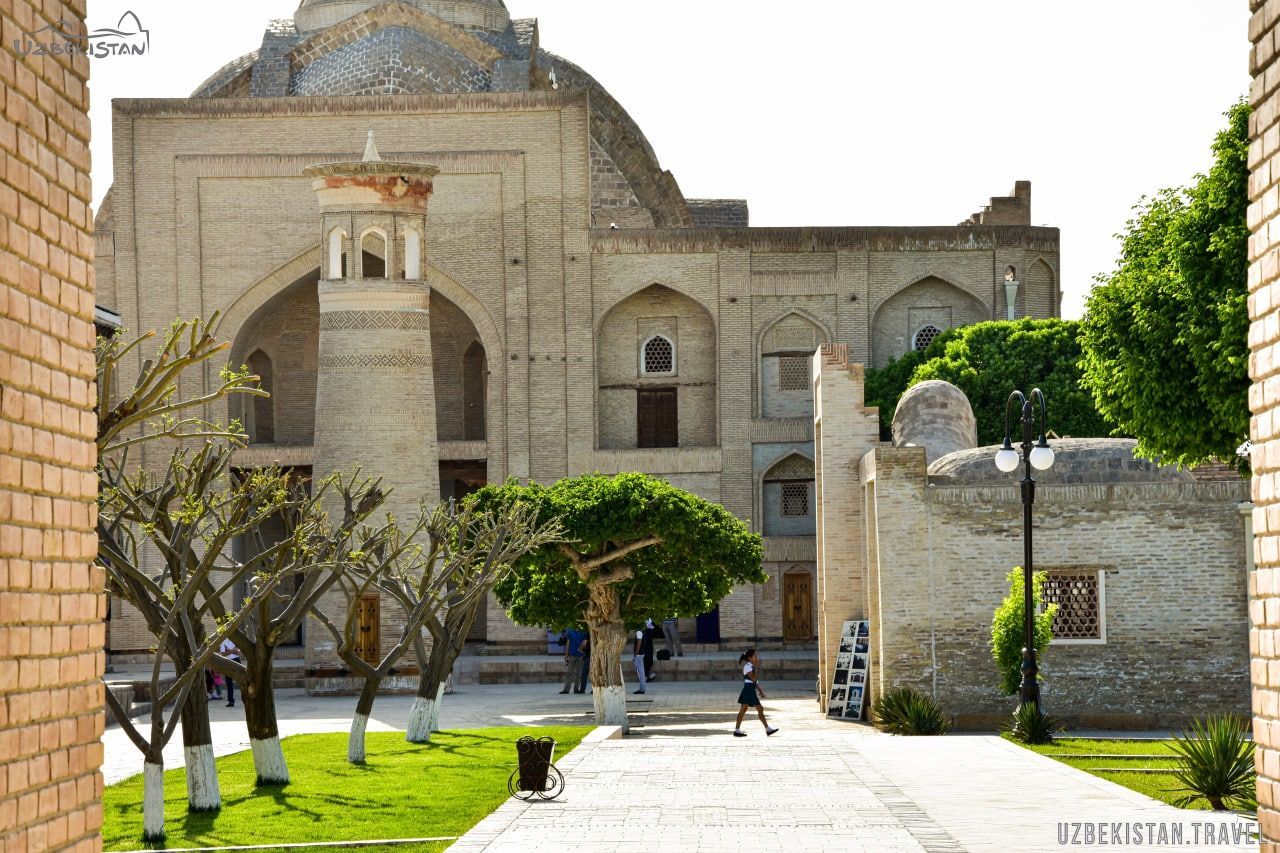
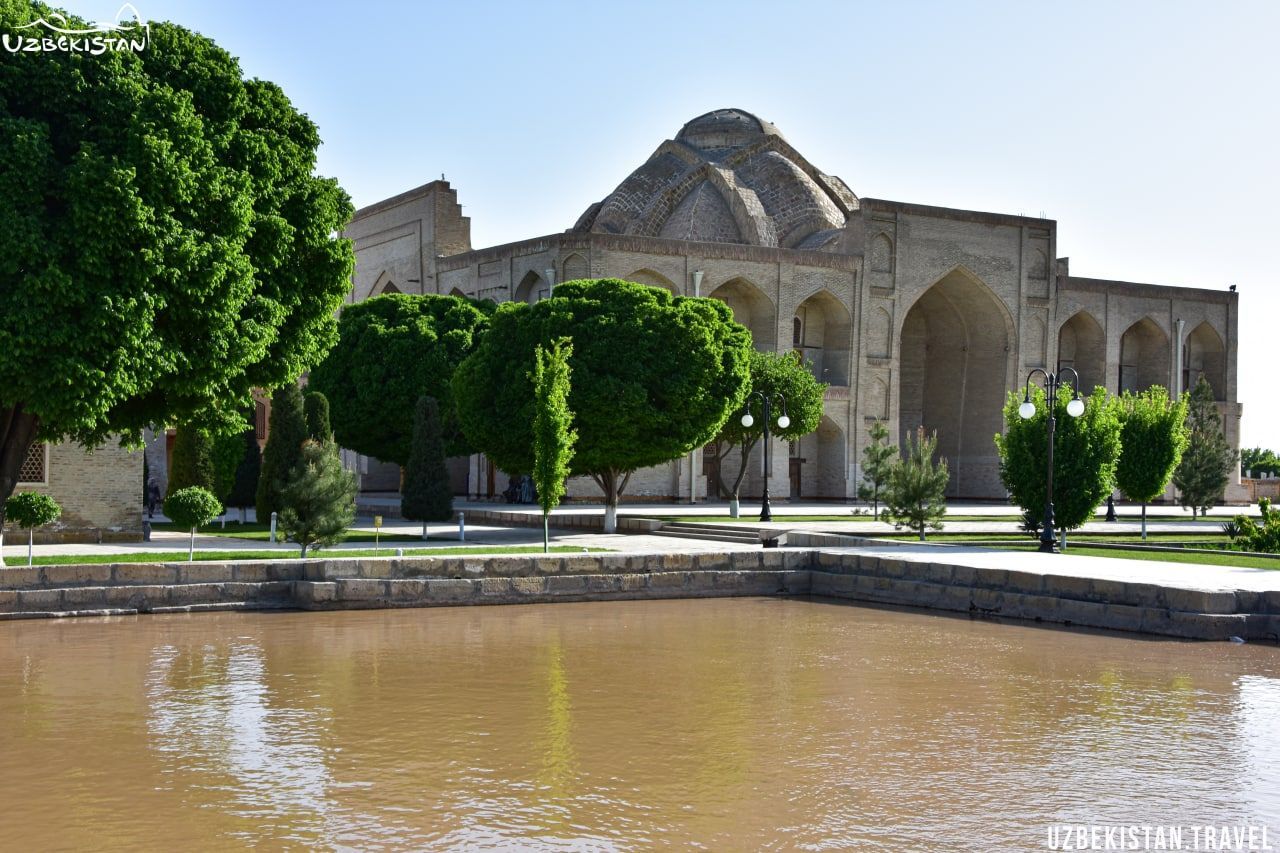
Just 5 kilometers west of Bukhara lies one of the most mysterious and atmospheric places in Uzbekistan — the Chor-Bakr Necropolis, often called the “City of the Dead.” Hidden behind monumental gates and surrounded by gardens, this vast memorial complex developed over nearly a thousand years and became one of the largest necropolises in Central Asia.
Walking through Chor-Bakr feels like entering a silent city frozen in time. Narrow streets, courtyards, gates, domed structures, family burial enclosures, and shaded pathways create an almost labyrinth-like atmosphere. Unlike ordinary cemeteries, Chor-Bakr was designed as a complete architectural ensemble where landscape, religion, and architecture blend together in harmony.
The origins of the complex date back to the 10th century and are connected to Abu Bakr Saad and his son Abu Bakr Ahmad — respected theologians and Sufi figures who were buried here near their village of Sumitan. Over time, their graves became an important pilgrimage site.
The necropolis gained its greatest importance in the 16th century during the rise of the powerful Juybari Sheikhs, influential leaders of the Naqshbandi Sufi order. These spiritual leaders played a major political role in the Bukhara Khanate and were among the most powerful figures of their time. Chor-Bakr became their family necropolis and an important religious center.
At the heart of the complex stands the main architectural ensemble consisting of a khanaka, mosque, and madrasa built during the reign of Abdullah Khan in the 16th century. Unlike traditional closed madrasas, the buildings here open toward a large central square, creating a unique and spacious composition. Elegant portals, domes, carved brickwork, and peaceful courtyards give the complex a remarkable sense of balance and monumentality.
One of the most fascinating parts of Chor-Bakr is its maze of haziras — enclosed family burial courtyards connected by narrow corridors and small streets. These structures replaced the traditional mausoleum style and created the distinctive appearance of the necropolis. Some contain prayer rooms, айваны, Quran-reading chambers, and beautifully decorated entrance portals.
The most sacred area is the Hazira of the Greats, where Abu Bakr Saad, Abu Bakr Ahmad, and the Juybari sheikhs were buried. Pilgrims still come here to pray, tie ribbons to sacred trees, and seek blessings.
Chor-Bakr is not only an architectural masterpiece but also a place deeply connected to Sufism, spirituality, and the religious history of Bukhara. Quiet, monumental, and deeply atmospheric, it remains one of the most unique hidden treasures of Uzbekistan.