


BLOG
TASHKENT: THE CENTER OF ISLAMIC CIVILIZATION
The Center of Islamic Civilization in Tashkent, opened in March 2026, is one of the most significant cultural projects in modern Uzbekistan. Its mission is to connect Uzbekistan’s rich historical legacy with its modern development. It serves as a link between the achievements of the past — the scientific, cultural, and spiritual heritage of the region — and the vision of a forward-looking society.
Rather than simply preserving history, the center presents it as a living source of inspiration. It shows how the ideas, discoveries, and values of earlier generations continue to shape today’s progress and future ambitions of Uzbekistan.
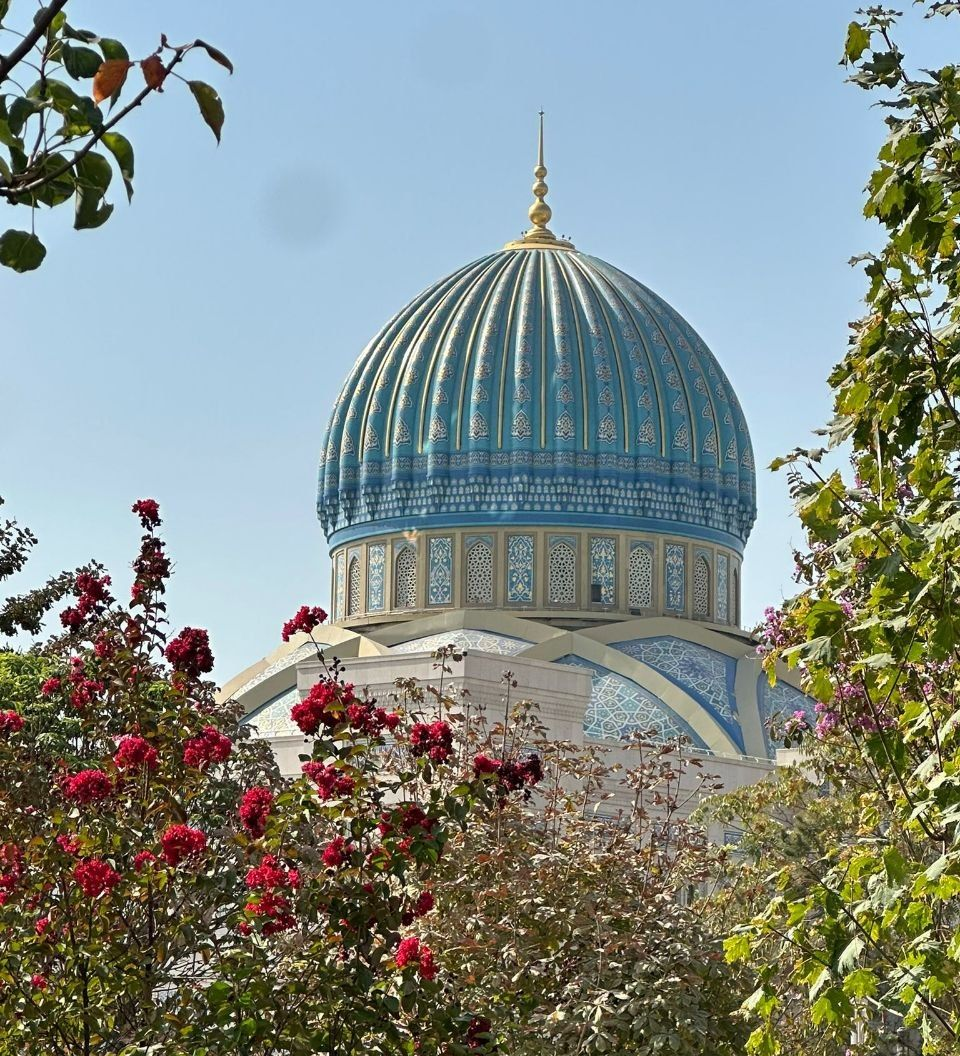
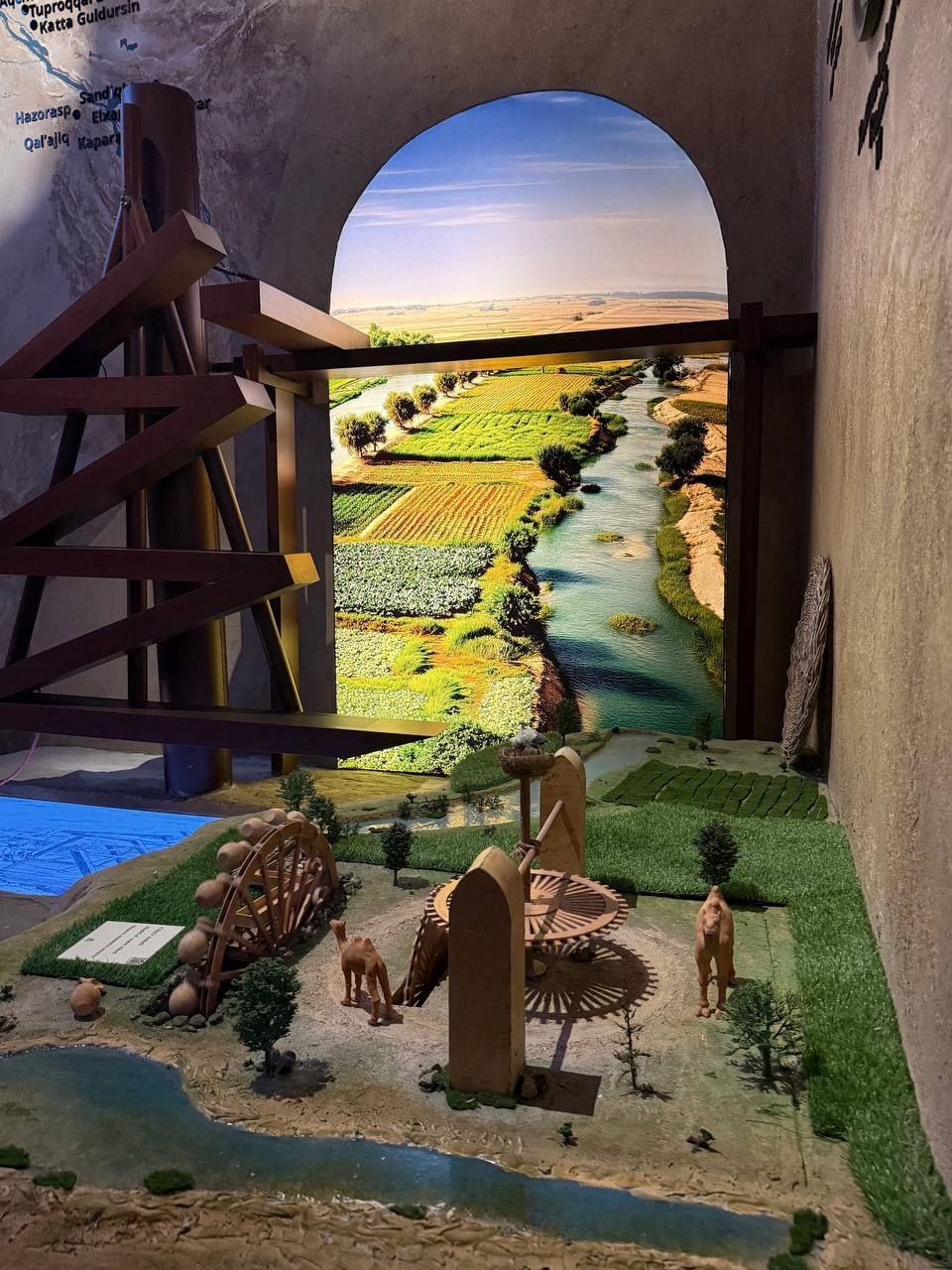
Located beside the historic Hazrati Imam Complex, the center combines museum exhibitions, rare manuscripts, research laboratories, interactive technologies, and massive archive collections under one enormous turquoise dome.
What Awaits Visitors Inside?
Inside Center of Islamic Civilization, the experience is designed as a journey through the intellectual, spiritual, and cultural history of Central Asia — combining historical artifacts with immersive modern technology.
One of the first spaces visitors encounter is a monumental hall framed by fourteen large arches, each representing major moments in the history of the region. Rather than presenting history as something distant, the center uses interactive screens and digital technologies to make historical figures feel present again. Through specially created digital avatars, visitors can “meet” renowned scholars, philosophers, and scientists who explain their discoveries and ideas in an accessible, contemporary format.
The Qur’an Hall
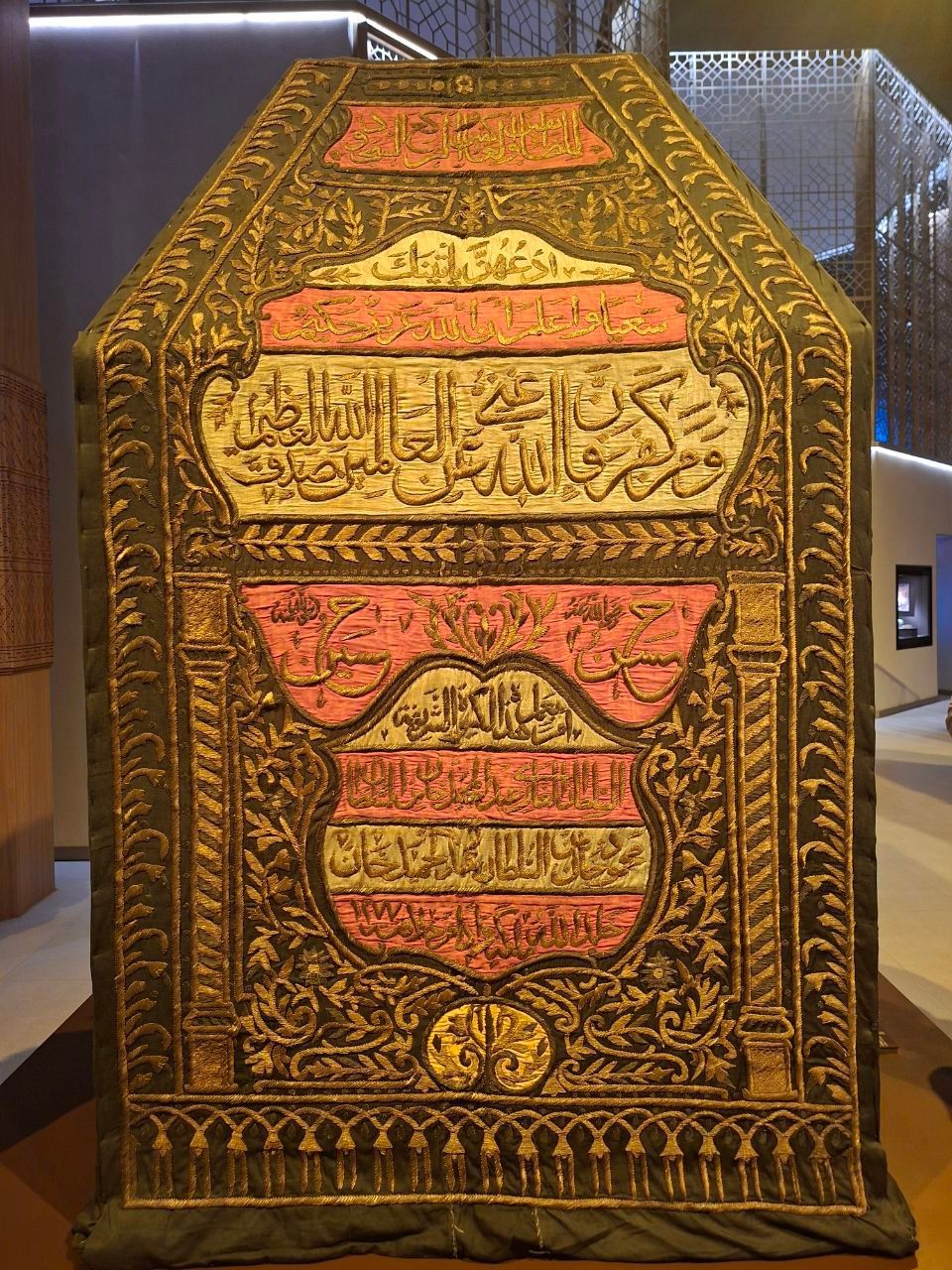
At the very heart of the museum lies the Qur’an Hall — both physically and symbolically the center of the entire complex. The space was designed around the famous Uthman Qur’an, one of the oldest surviving Qur’anic manuscripts in the world, believed to date back to the 7th century and written on deerskin parchment. Preserved with exceptional care, the manuscript forms the spiritual core of the exhibition. Around it, visitors can also explore other Qur’anic manuscripts connected to the 114 surahs, presented through carefully curated displays.
Pre-Islamic Period Civilizations Section — Sogdiana
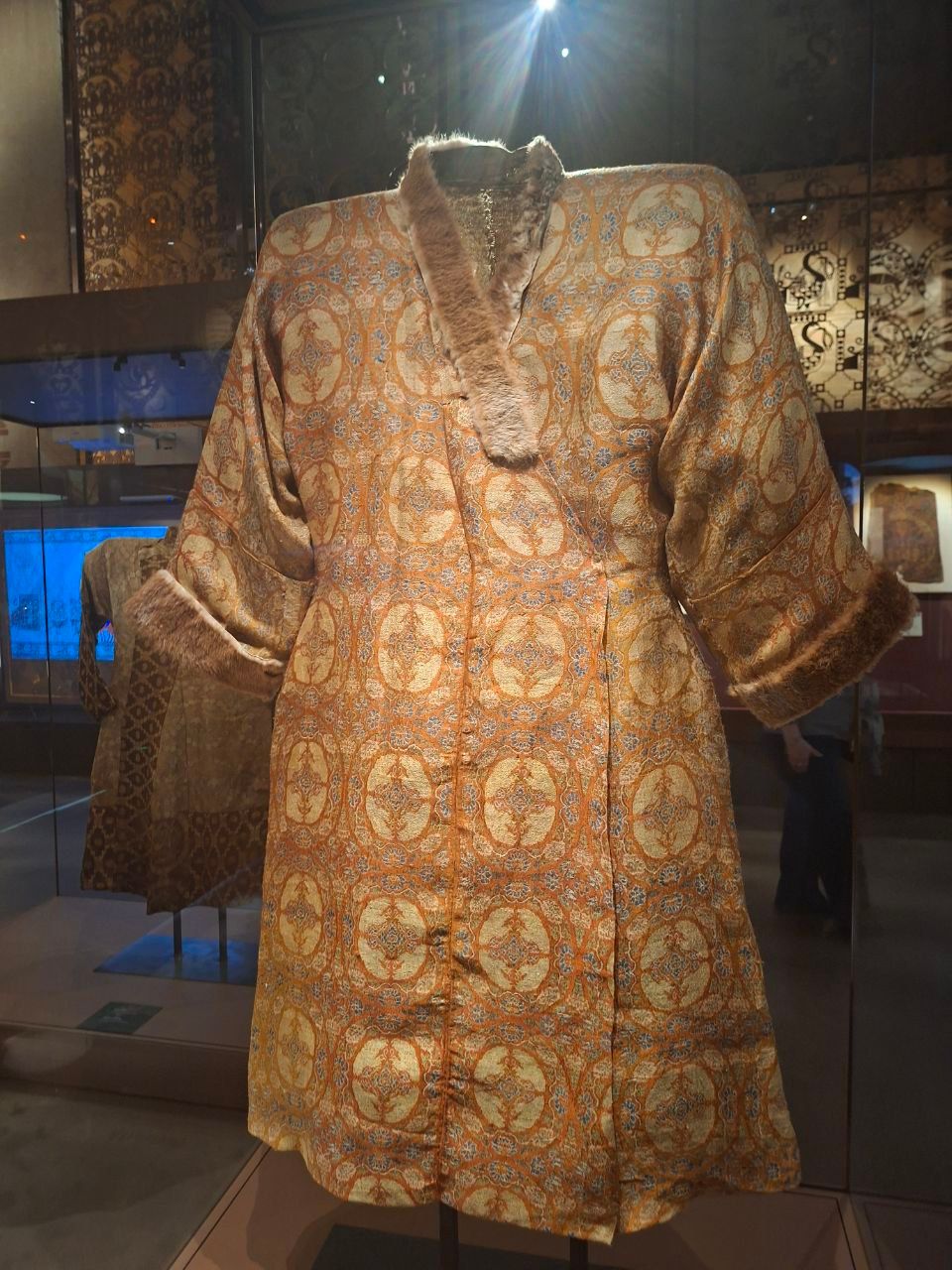
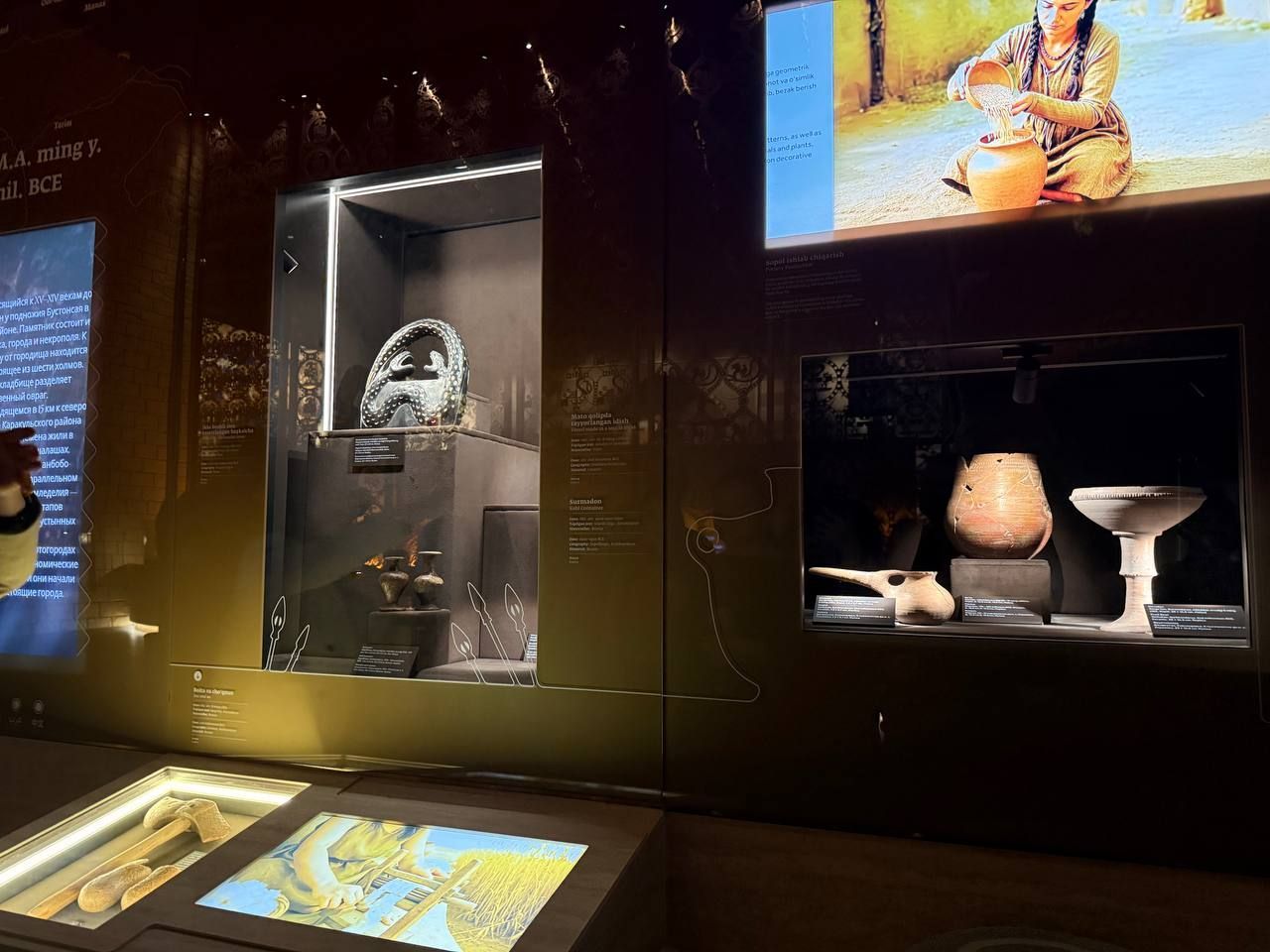
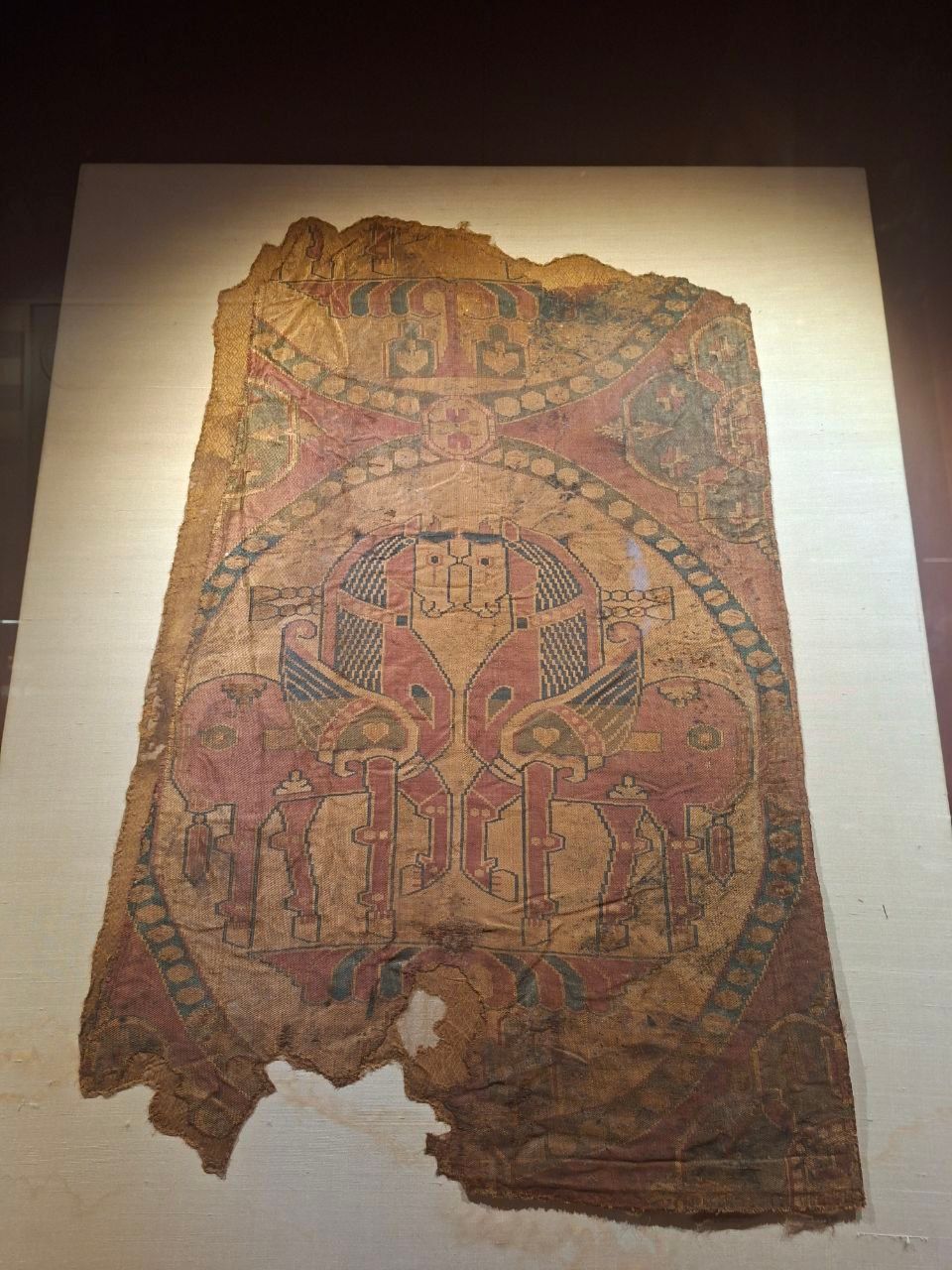
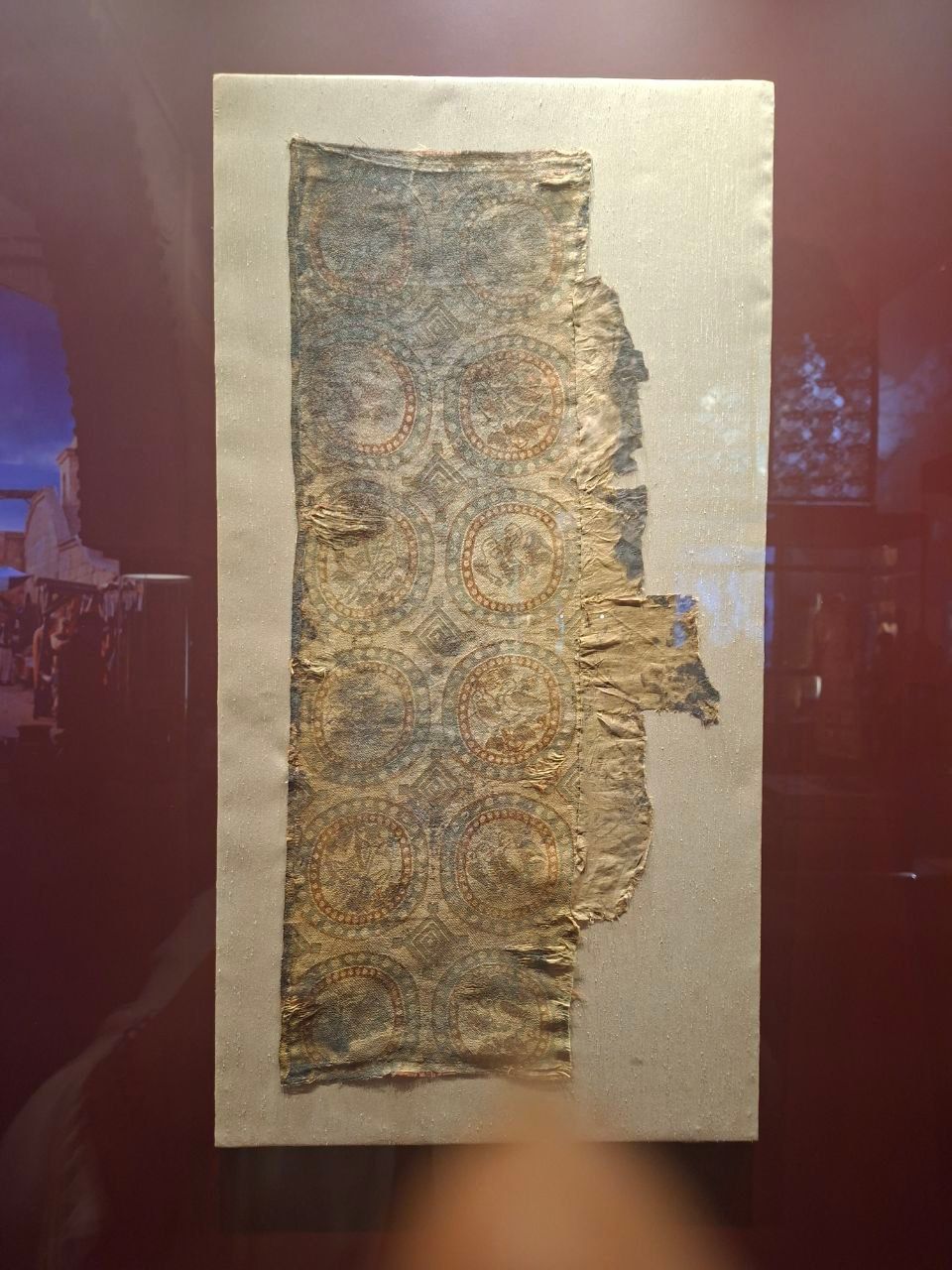
The museum also takes visitors further back in time, before the arrival of Islam. The Sogdiana Hall explores the civilizations that once flourished across the territory of modern Uzbekistan. Ancient textiles, ceramics, metalwork, coins, sculptures, and everyday objects reveal the sophistication of Sogdian culture and the region’s long-standing role in trade, craftsmanship, and artistic exchange along the Silk Road.
Tolerance Square
Another important section focuses on the idea of tolerance, which historically shaped life in Central Asia. Through architectural models and historical monuments, the exhibition highlights centuries of coexistence between different cultures, religions, and intellectual traditions. Miniature recreations of important sites such as the Magok-i Attori Mosque, the Samanid Mausoleum, and other historical landmarks help place this shared heritage into context.
Sultan Husayn Mirza and Alisher Navoi Sector
The Timurid period is presented through a hall dedicated to Sultan Husayn Bayqara and Alisher Navoi — figures associated with one of the great cultural and literary flowerings of the region. Rich decorative details, manuscript reproductions, calligraphy, and artistic elements recreate the atmosphere of the Eastern Renaissance, while exhibitions dedicated to Navoi reveal how literature, philosophy, and science developed together during this period.
New Uzbekistan
The visit concludes with the section dedicated to “New Uzbekistan,” where the historical narrative transitions into the present day. Modern glass installations, multimedia projections, and large LED displays present the country’s contemporary transformation and future ambitions, linking Uzbekistan’s historical legacy with its modern identity.
One of the strongest aspects of the center is the use of modern technology. Interactive screens, digital installations, projection halls, and multimedia presentations transform the visit into a much more dynamic experience than a classical museum.
Visitor Information
The admission ticket includes a full experience of the Center, combining guided interpretation, exhibition access, and immersive technologies. Visitors are accompanied by professional guides working in several languages, and gain entry to a wide range of exhibits dedicated to the scientific, cultural, and historical legacy of Central Asia and its contribution to Islamic civilization.
Visits are organized in different formats, including group tours (up to 30 people) as well as individual visits. To manage visitor flow and ensure a comfortable experience, entry is scheduled according to fixed time slots indicated on the ticket.
Time for excursion: 2 hours
Excursions are available in Uzbek, Russian, and English, ensuring accessibility for international guests.
Additional services, which are also introduces, include:
- robot-guided assistance;
- multilingual audio guides;
- virtual tour technologies
To maintain a respectful and well-organized environment, guests are kindly expected to:
- respect public order and maintain appropriate behavior
- treat all exhibits and displays with care
- follow modest dress requirements in designated areas
These guidelines help ensure that the Center remains a welcoming, orderly, and respectful space for all visitors.